
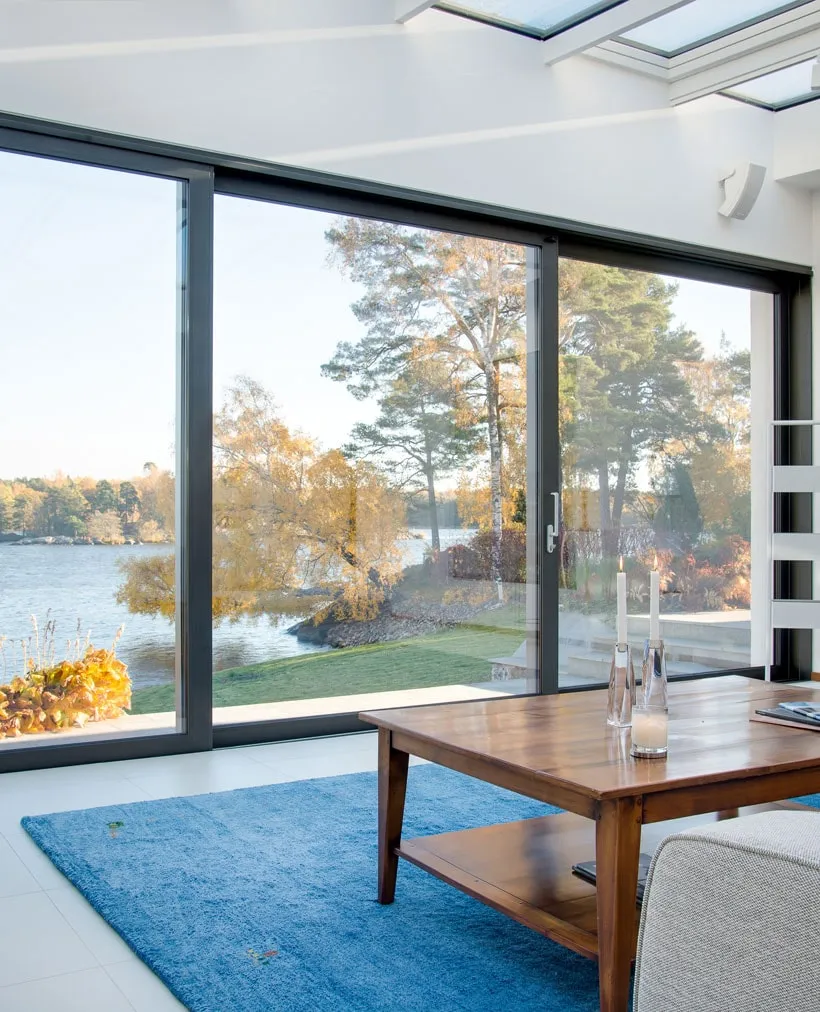
Triple Glazing Perth
Triple Glazed Windows & Doors Built for Perth's Climate
Perth’s climate places year round demands on your home, from prolonged summer heat to cooler, damp winter conditions. Triple glazing adds a third layer of protection, significantly reducing heat transfer, condensation, and external noise.
Our triple glazed windows and doors are designed for Perth homes & businesses seeking maximum thermal stability, improved comfort, and long term performance across every season.

Year-Round Thermal Comfort, With Triple Glazing
Cooler in Summer, Warmer in Winter
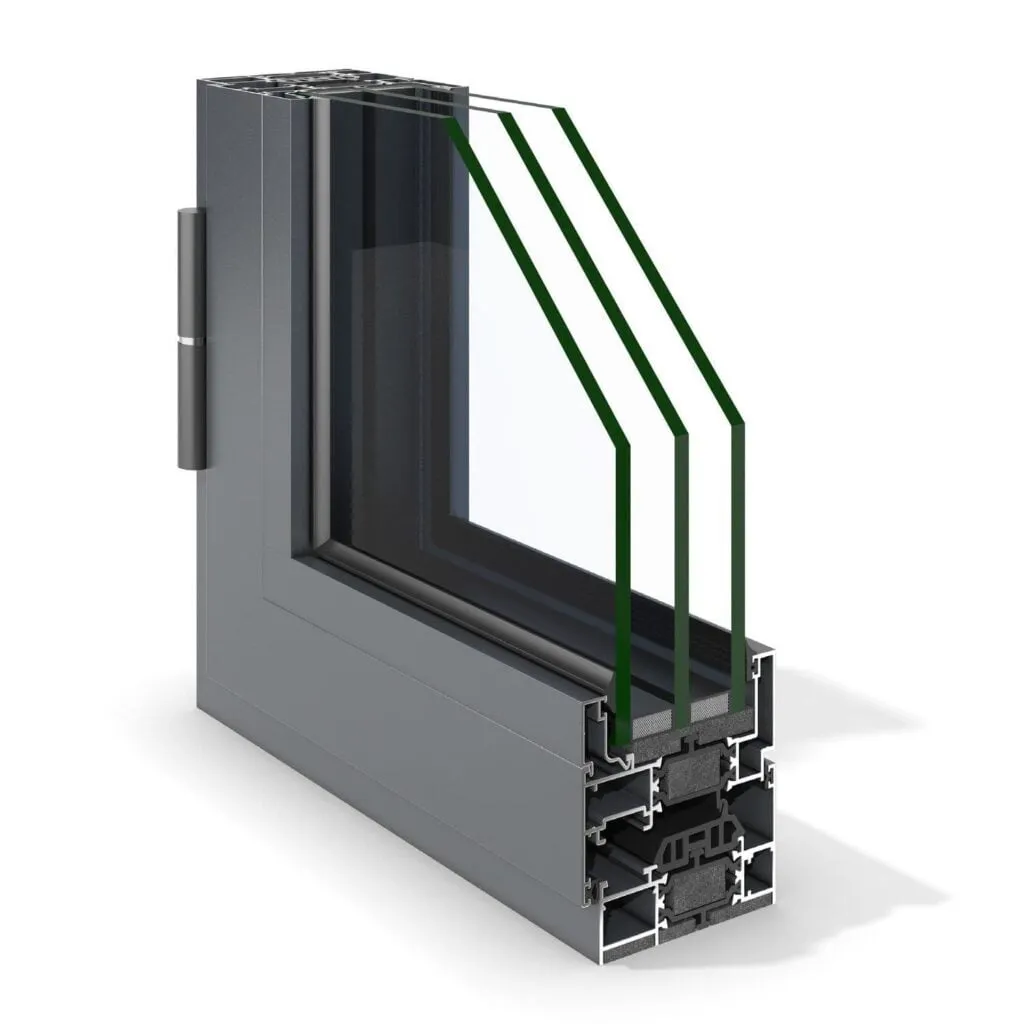
Perth’s climate places constant pressure on internal comfort, with extended summer heat and cooler winter periods that can leave rooms feeling drafty and uneven near windows. Large areas of glass are often the main source of heat gain in summer and heat loss in winter. Triple glazing addresses this by creating a highly effective thermal barrier, using three panes of glass separated by insulating cavities to significantly reduce heat transfer in both directions.
When integrated into high-performance window and door systems, triple glazing in Perth helps stabilise indoor temperatures throughout the day and night. This reduces reliance on heating and cooling systems, improves energy efficiency, and delivers a more consistent level of comfort across the home, particularly in living spaces, bedrooms, and areas exposed to strong sun or seasonal temperature changes.
ACOUSTIC PERFORMANCE
Noticeably Quieter Rooms
For traffic, neighbours & urban living
The additional pane and sealed cavities in triple glazing create multiple barriers that dampen external noise far more effectively than standard windows. However, it’s important to set realistic expectations, the biggest acoustic improvements come from selecting the right glass thickness combinations and ensuring airtight installation. Homeowners near busy roads, flight paths, schools, adjacent properties, or in multi-residential areas report the most dramatic differences, particularly for sleep quality and the ability to keep windows closed without feeling isolated from fresh air.
Acoustic performance isn’t simply about adding more glass. Frame quality, weatherseal condition, and installation precision determine whether you achieve true noise reduction or marginal improvement. Our approach involves assessing your specific noise exposure and recommending glazing specifications that address your actual sound frequency challenges, not just thickness, but the right air gap widths and glass configurations.
Reduce Condensation & Support Healthier Indoor Air
Why condensation happens and how triple glazing helps
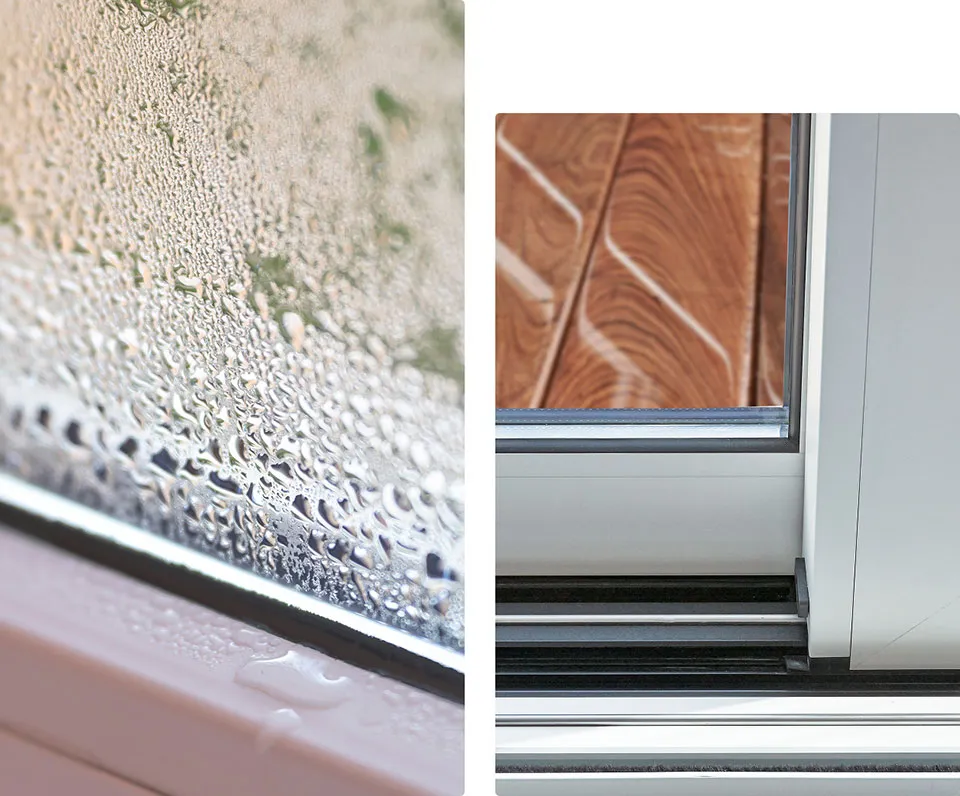
Condensation forms when warm, humid indoor air contacts a surface cold enough to drop below the dew point. This is why you’ll see water beading on single-glazed windows during Perth’s cooler months. Better-insulated glazing keeps the interior pane significantly warmer, drastically reducing the likelihood of water formation, though ventilation remains essential for managing indoor humidity levels. Triple glazing addresses the cold surface problem, but it can’t eliminate condensation if your home lacks adequate air circulation or has excessive moisture sources.
Perth’s rainfall concentrates heavily between May and October, coinciding with our coolest overnight temperatures. During this period, condensation issues become more visible and can contribute to mould growth, frame deterioration, and poor indoor air quality. Triple glazed windows form part of a comprehensive moisture management strategy. Learn more about condensation causes and solutions or speak with our team about combining improved glazing with ventilation recommendations matched to your home’s layout.
Built to discourage break-ins
Triple Glazed Windows and Doors for Improved Home Security in Perth
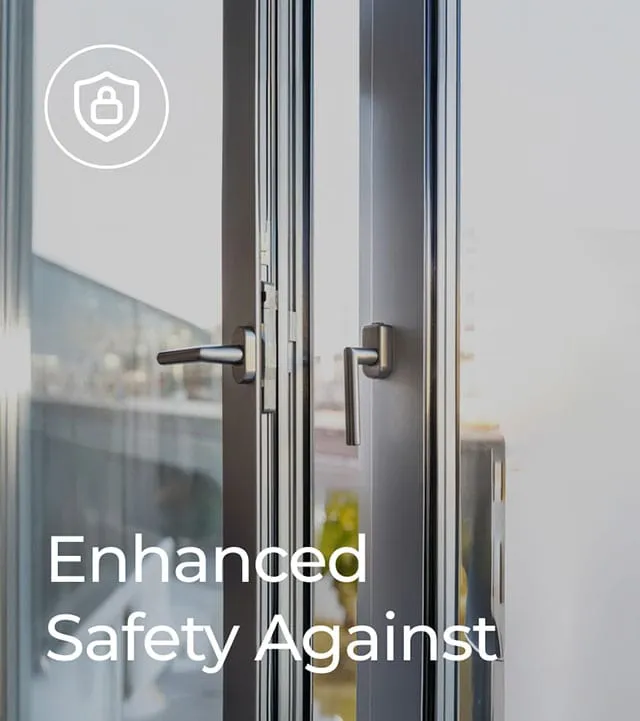
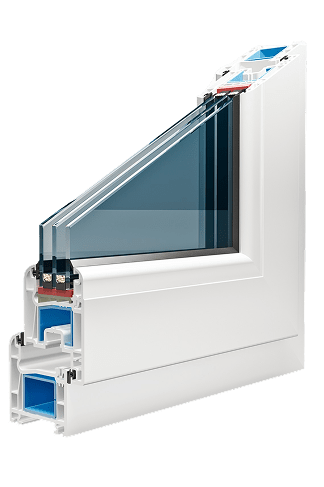 The additional pane in triple glazing naturally increases resistance to forced entry attempts.
Triple glazed windows and doors in Perth benefit from increased glass thickness and improved structural rigidity, making them more resistant to forced entry than conventional glazing options.
When paired with reinforced aluminium frames, quality locking systems, and correct installation, triple glazing forms part of a secure window and door solution designed for long term performance and safety.
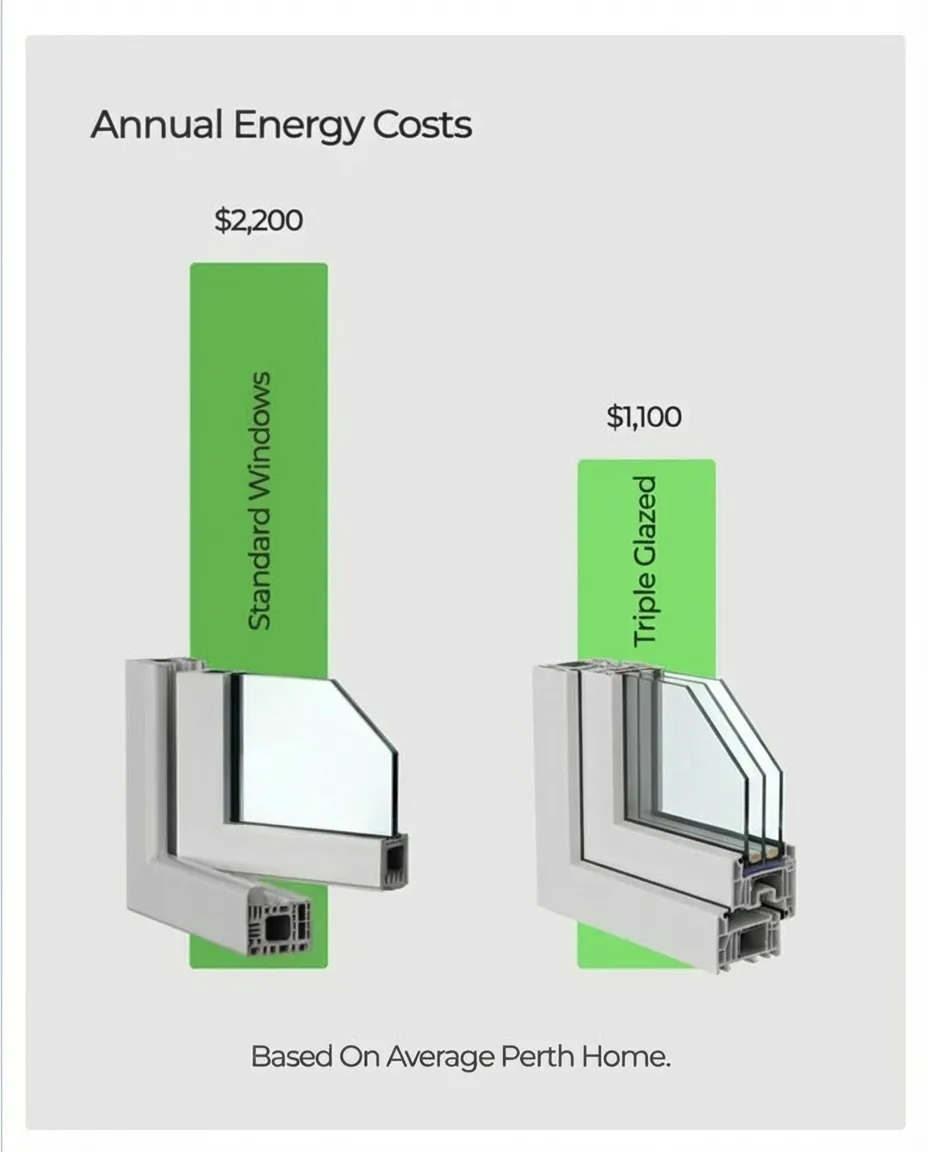
Comfort that can lower heating/cooling demand
Cut Heat Transfer With Better Window Performance
U-value measures how readily heat passes through a building element, the lower the number, the better the insulation. Single glazing performs poorly by modern standards, typically allowing 5–6 times more heat transfer than quality triple glazing. This matters year-round in Perth: in summer, lower U-values reduce external heat penetration; in winter, they retain warmth generated inside.
The Window Energy Rating Scheme (WERS) provides standardised performance comparisons for Australian conditions, helping you evaluate different glazing options objectively. While better windows don’t guarantee specific utility bill savings, your home’s size, sealing quality, and mechanical systems all play roles, they do reduce the thermal load your heating and cooling systems must handle.
Note: Optimal results require matching your glass specification to window orientation. Solar Heat Gain Coefficient (SHGC) matters as much as U-value for west-facing glass in Perth’s climate low SHGC reduces unwanted summer heat, while appropriate U-values maintain year-round insulation. Quality sealing and professional installation ensure your windows perform as designed rather than underperforming due to air leakage.
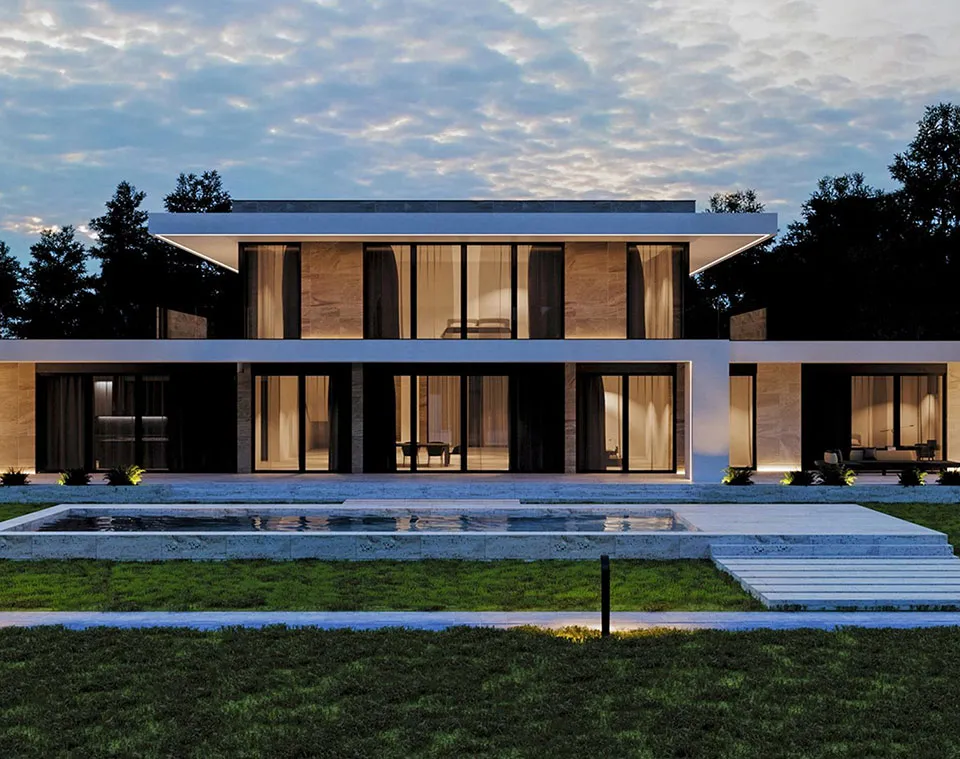
Performance without sacrificing style
Modern Frames, Colours & Configurations
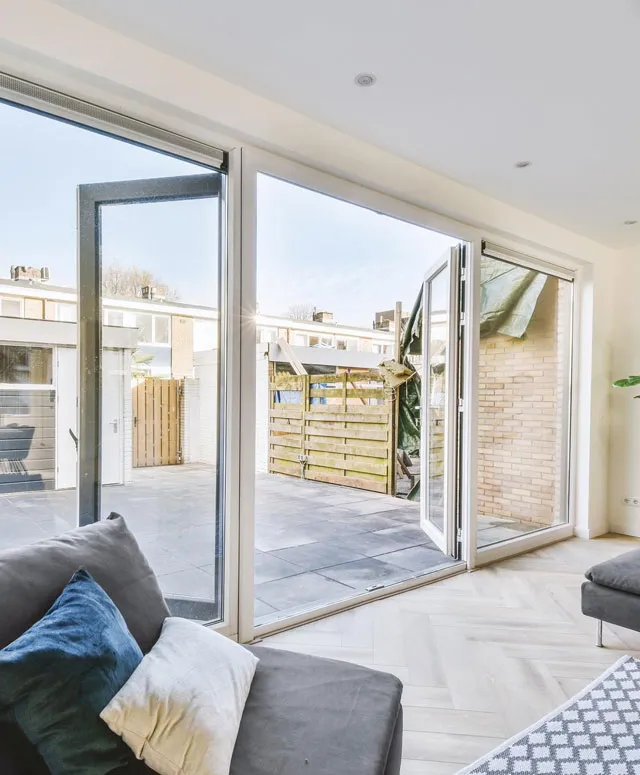
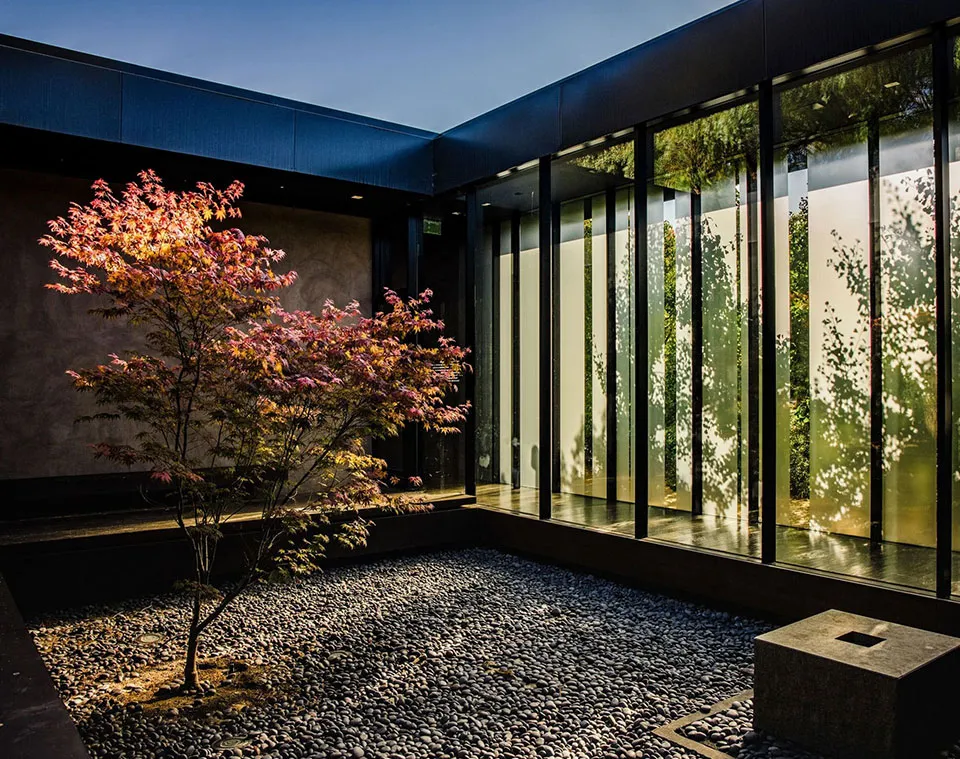
Triple glazed windows and doors no longer require compromising on design. Penot integrates triple glazing into a wide range of window and door configurations, including casement, awning, sliding, tilt and turn, as well as entry and sliding doors.
Choose from contemporary powder coated colours, timber look finishes, and neutral tones designed to suit Perth homes across modern, coastal, and established architectural styles. Advanced aluminium frame profiles are engineered to accommodate triple glazing without bulky proportions, maintaining clean lines and visual balance.
To maximise performance, we tailor triple glazed window and door configurations to suit your home’s orientation, noise exposure, and comfort priorities. This ensures your triple glazing in Perth delivers the right balance of thermal performance, aesthetics, and long term value where it matters most.
Triple Glazing Features at a Glance
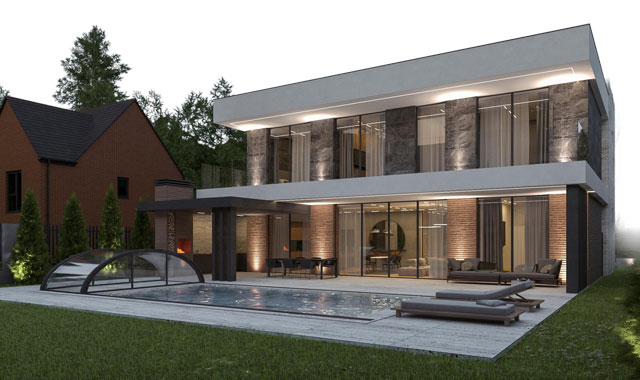

Triple glazing's core construction uses three glass panes separated by sealed cavities, typically filled with argon gas or air. This multi-chamber design creates multiple thermal barriers that dramatically slow heat transfer compared to single or double glazing, delivering superior insulation performance across all seasons.
Lower U-values mean less heat escapes in winter and less external heat penetrates in summer. Triple glazing typically achieves U-values between 0.6–1.0 W/m²K, compared to 1.2–3.0 for double glazing, meaning your windows work actively to maintain stable indoor temperatures rather than undermining your climate control efforts.
The additional glass layer and sealed cavities dampen external noise frequencies more effectively than thinner glazing systems. When combined with airtight installation and quality frames, triple glazing can reduce traffic noise, neighbourhood activity, and urban sound intrusion by 30–40 decibels or more, transforming noisy rooms into peaceful sanctuaries.
Because the interior pane stays significantly warmer than in single or double glazing, the risk of condensation formation drops substantially. The warmer glass surface is less likely to reach dew point when indoor humidity contacts it. Remember that ventilation remains essential, glazing helps manage the cold surface problem, but doesn't eliminate humidity sources or replace adequate air circulation.
FAQ
Frequently asked questions.
- Is triple glazing worth it in Perth's climate?
Perth’s climate presents unique demands, summer temperatures regularly exceed 35°C with intense solar radiation, while our cooler months from May to October bring overnight lows and concentrated rainfall that can cause condensation issues. Triple glazing can be particularly worthwhile for west-facing bedrooms that overheat, rooms near busy roads or flight paths, homes targeting premium energy performance, or situations where condensation has previously caused problems. The best value comes from strategic application: not every window needs triple glazing, but the right windows upgraded with appropriate glass specifications (balancing U-value and SHGC) deliver substantial comfort and performance improvements. A detailed assessment and quote helps identify where triple glazing makes the most sense for your specific home and priorities.
- What's the difference between double and triple glazing?
The primary difference is the additional glass pane, triple glazing has three panes with two insulating cavities, while double glazing has two panes with one cavity. This extra layer typically improves U-values from the 1.2–3.0 W/m²K range (double) to 0.6–1.0 W/m²K (triple), meaning better thermal insulation in both summer and winter. Triple glazing also offers superior acoustic performance, particularly for blocking low-frequency noise like traffic rumble. The trade-offs include higher initial cost, slightly heavier weight requiring robust frames, and marginally reduced visible light transmission. Triple glazing represents a worthwhile upgrade when you’re targeting premium performance, addressing serious noise issues, or prioritizing specific problem areas like west-facing bedrooms or street-facing rooms where double glazing’s performance would fall short.
- Does triple glazing reduce noise from traffic and neighbours?
Yes, triple glazing significantly reduces external noise, but performance depends heavily on glass thickness combinations and installation quality. The three panes create multiple sound barriers, with the sealed cavities disrupting sound wave transmission, you can expect reductions of 30–40+ decibels when properly specified. However, acoustic performance is frequency-dependent: low-frequency traffic rumble requires different glass spacing than high-frequency sounds like voices or birds. The biggest improvements come from using asymmetric glass thicknesses (e.g., 4mm-12mm-6mm rather than uniform thickness) and ensuring completely airtight installation, as even small gaps dramatically compromise soundproofing. Homes near busy roads, flight paths, train lines, schools, or in dense residential areas benefit most. For serious noise issues, we recommend a site assessment to specify the optimal configuration for your specific sound challenges.
- Will triple glazing stop condensation completely?
Triple glazing dramatically reduces condensation risk by keeping the interior glass pane significantly warmer, often 8–12°C warmer than single glazing in the same conditions. This makes it much less likely that the glass surface will drop below the dew point when indoor air contacts it. However, triple glazing doesn’t eliminate the need for adequate ventilation and humidity management. If your home generates excessive moisture from cooking, showering, drying laundry indoors, or lacks proper air circulation, condensation can still form on even the best-insulated windows. Bathrooms, kitchens, and laundries require ventilation fans or openable windows to manage humidity at the source. Triple glazing solves the cold surface problem, but moisture control remains a shared responsibility between improved glazing and sensible home management practices.
- Can I install triple glazing in existing window frames?
Generally, no. Retrofitting triple glazing into existing frames designed for single or double glazing rarely works well. Triple glazed units are significantly heavier (roughly 50% heavier than double glazing) and thicker, requiring frames specifically engineered to support the additional weight and depth. Most existing frames lack the structural capacity, correct rebate depth, and appropriate weatherseal profiles needed for secure, airtight installation. Attempting to retrofit can compromise both performance and safety, leading to sagging, seal failure, air leakage, and premature deterioration. New purpose-built frames designed for triple glazing deliver substantially better thermal performance, acoustic sealing, structural integrity, and longevity. While replacement represents a larger upfront investment, it ensures your triple glazing performs as intended rather than underperforming due to inadequate frame support.
- Does triple glazing make rooms darker or reduce light?
Quality triple glazing maintains excellent natural light levels, typically 70–80% visible light transmission, while simultaneously reducing unwanted heat and harmful UV radiation. The difference in brightness compared to double glazing is marginal and imperceptible in most applications. However, glass specification does affect light levels: heavily tinted or reflective coatings reduce transparency more than clear low-E coatings optimised for thermal performance. For rooms where maximum natural light is essential, specify glass with higher visible light transmission ratings while maintaining appropriate thermal and UV protection. The trade-off is generally favourable: you gain thermal comfort, UV protection that prevents furniture fading, and glare reduction, with minimal impact on the bright, naturally lit feel of your living spaces. Frame design and window size have far greater impact on room brightness than the glazing type itself.
- How do I choose the right glass for west-facing windows in Perth?
Perth’s intense western sun exposure demands careful glass specification, standard clear triple glazing can actually worsen afternoon heat gain despite good insulation properties. The key is balancing low Solar Heat Gain Coefficient (SHGC below 0.3–0.4) to block summer heat with appropriate U-values (below 1.0 W/m²K) for year-round insulation. Low-E coatings, tinted glass, or spectrally selective glazing can reject up to 70% of solar heat while maintaining reasonable visible light transmission. West-facing bedrooms, living areas, and home offices benefit most from this combination. However, the optimal specification depends on your specific situation: room function, existing shading (eaves, trees, blinds), tolerance for warmth, and whether you value winter solar gain. A professional assessment considers your home’s orientation, climate exposure, and comfort priorities to recommend glass specifications that deliver comfort without creating excessively dim or cold-feeling spaces.
- How long does it take to manufacture and install triple glazed windows/doors?
Custom triple glazed windows and doors typically require 6–10 weeks for manufacture, though timeframes vary based on glass specification complexity, frame material and customisation, hardware selection, and current production schedules. Standard configurations with common sizes may be available faster, while complex designs with specialised coatings, custom colours, or unusual dimensions extend lead times. Installation duration depends on project scope: a single window replacement might take 2–4 hours, while whole-home installations can span several days to a week. Factors affecting scheduling include access to work areas, weather conditions (installation requires dry days), coordination with other trades if you’re renovating, and the removal and disposal of existing windows. We provide specific timeframes during quoting once we understand your exact requirements, ensuring you can plan around both manufacture and installation phases.