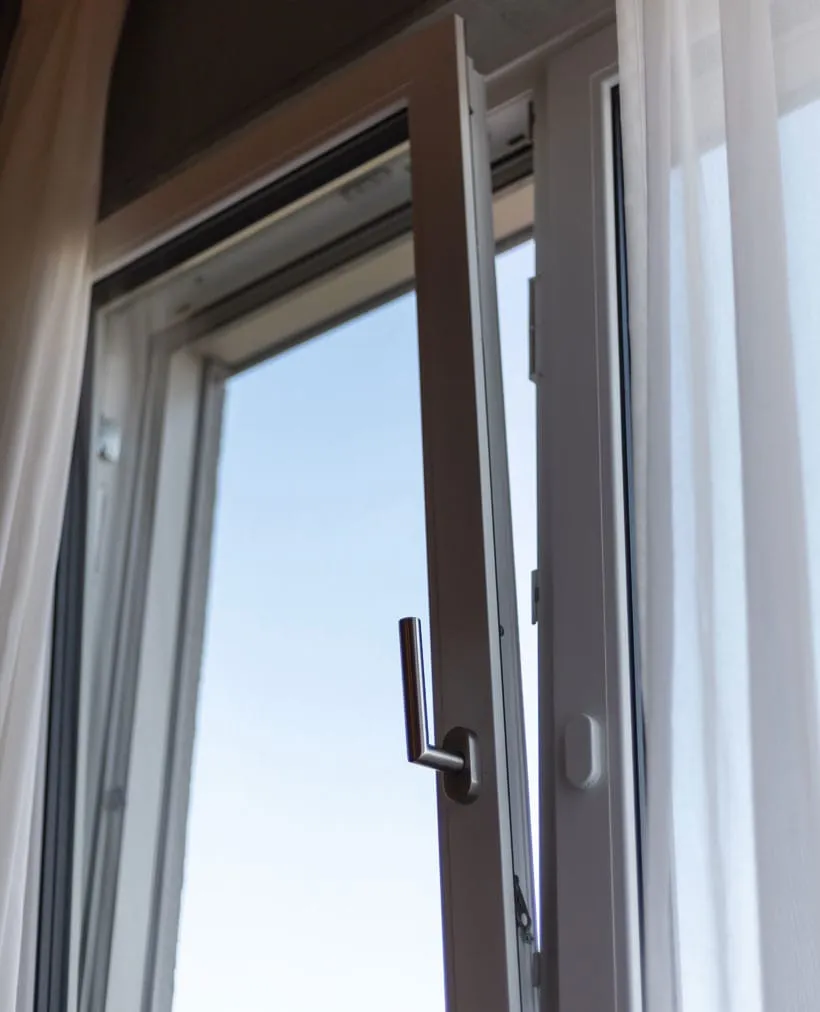



Discover how thermal break aluminium frames improve energy efficiency, comfort, and insulation — and why Perth homes can’t afford to go without them.
What’s a Thermal Break — and Why Should Perth Homeowners Care?
If you’re building or upgrading in Perth, you already know the climate can be extreme. Scorching summers. Chilly nights in the hills. Constant sun exposure. And if your home’s windows and doors aren’t built to handle it, you’ll feel every degree of discomfort, and pay for it in energy bills.
That’s where thermal break technology comes in.
Most homeowners focus on the glass, but it’s the frame that often lets heat leak in (or out). A thermal break is the invisible insulation built into high-performance aluminium frames, and it’s one of the most important upgrades you can make for energy efficiency and comfort in WA.
In this guide, we’ll explain what a thermal break actually is, how it works, and why it makes such a difference in Perth homes, especially when paired with double glazing.
What Is a Thermal Break in Aluminium Windows and Doors?
At first glance, aluminium windows and doors all look alike. But what you don’t see, hidden inside the frame, can make all the difference to your home’s comfort and efficiency.
A thermal break is a layer of insulation built into the aluminium frame. It separates the inner and outer parts of the metal with a non-conductive barrier, usually made from polyamide or a similar low-conductivity material.
Why Does This Matter?
Aluminium is a strong, lightweight, and durable material, but it’s also a powerful conductor of heat. That means in summer, outdoor heat can transfer straight through the frame and into your home. In winter, warmth from inside can leak out just as easily.
A thermal break interrupts that heat flow, keeping the interior temperature more stable and reducing reliance on air conditioning or heating.
Why It’s Especially Important for Aluminium
Unlike timber or composite frames, which naturally resist heat flow, aluminium needs a thermal break to meet modern energy performance standards. Without one, standard aluminium frames can become weak points in an otherwise efficient glazing system, especially under Perth’s intense sun and fluctuating temperatures.
How Thermal Break Frames Improve Comfort and Efficiency
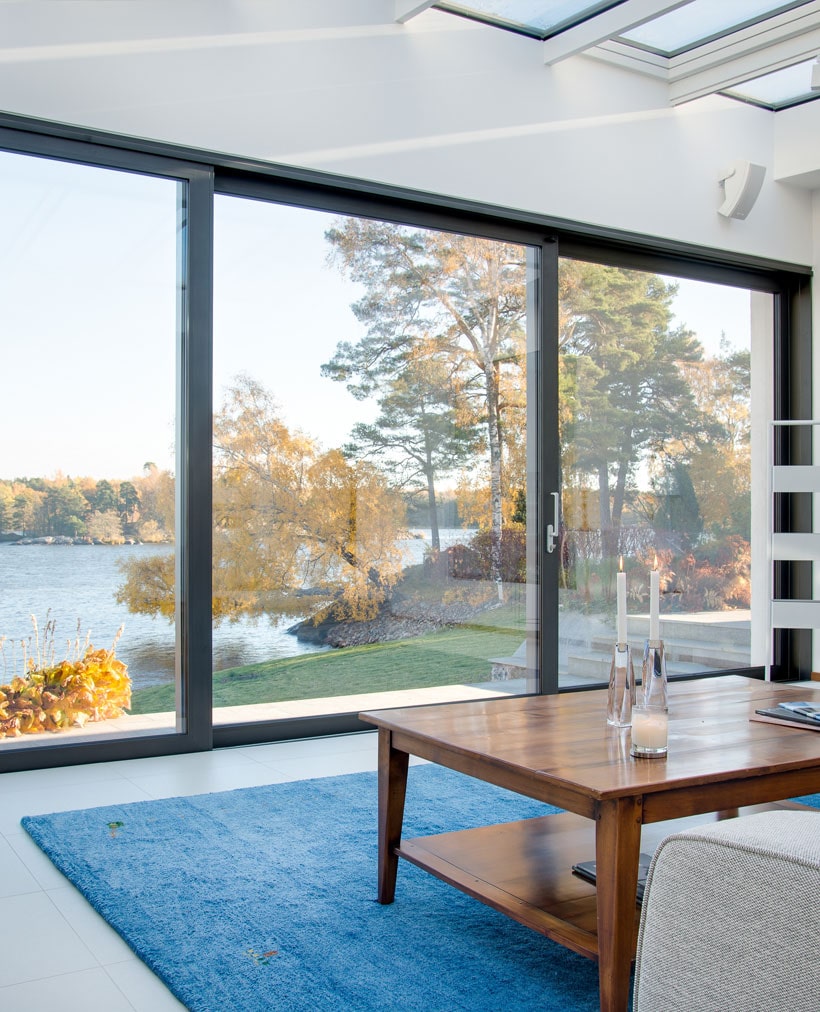
Thermal break aluminium frames do more than just tick a compliance box, they actively improve how your home feels and performs every day, especially in a climate like Perth’s.
Reduced Heat Gain in Summer, Better Insulation in Winter
With a thermal break, your aluminium window or door frame no longer acts like a heat pipeline. This means:
- Less solar heat entering your home during the scorching WA summer
- Better retention of warmth in winter mornings and nights
- More stable indoor temperatures, regardless of outdoor extremes
The result? A more comfortable home that doesn’t need to fight the elements.
Lower Energy Bills and Reduced Cooling Load
Because thermal breaks slow down unwanted heat transfer, your air conditioning and heating systems don’t have to work as hard. This leads to:
- Lower energy consumption
- Reduced power bills
- Smaller carbon footprint
This isn’t just theory, it’s one of the main reasons why thermally broken frames are becoming standard in high-performance homes across Perth.
Less Condensation and Internal Moisture
Another often-overlooked benefit: condensation control. Thermal breaks reduce the likelihood of internal frame surfaces becoming cold enough to cause water droplets. That helps:
- Protect architraves and sills from moisture damage
- Prevent mould and mildew in humid zones like kitchens and bathrooms
- Preserve interior finishes for longer
Perth Climate Challenges That Make Thermal Breaks Essential
Western Australia isn’t just hot, it’s extreme. From coastal winds to searing summer sun, Perth homes face environmental pressures that push standard window frames to their limits.
Intense UV, Heatwaves, and Temperature Swings
Thermal break frames create a buffer between outside and inside temperatures, which is crucial when:
- Summer days regularly top 40°C
- Mornings start cool but rapidly heat up
- Direct western sun hits your glazing for hours
Without thermal breaks, aluminium frames absorb and radiate heat, making your home hotter and less efficient.
Coastal Wind and Salt Exposure
For homes near the coast, from Cottesloe to City Beach, salt-laden wind is a constant factor. Thermally broken aluminium:
- Resists thermal warping caused by fluctuating temps
- Offers strong corrosion resistance with quality powder-coated finishes
- Helps maintain air-tightness even in strong Fremantle Doctor conditions
It’s performance that lasts, even under harsh coastal conditions.
Example Scenarios: Western-Facing Homes, Hills Builds, Coastal Blocks
Here’s where thermal breaks really prove their value:
- Western-facing homes that cop direct sun from noon till dusk
- Hills properties where morning fog, cool winds, and hot afternoons all collide
- Coastal builds where temperature and salt stress are daily realities
In all these environments, thermal breaks create a more liveable home, one that stays quieter, cooler, and more consistent all year round.
Thermal Break vs Standard Aluminium: What’s the Real Difference?
Not all aluminium windows are created equal. While they may look similar on the surface, the internal construction, and performance, can vary drastically.
Thermal Conductivity Comparison
Aluminium is a highly conductive metal, meaning:
- Standard frames transfer outdoor heat and cold directly indoors
- Thermal break frames insert a non-metallic barrier between internal and external sections, disrupting this transfer
The result? A dramatic drop in heat flow, keeping interiors cooler in summer and warmer in winter.
Visual Differences — Can You Tell Them Apart?
From the outside, thermally broken aluminium often looks just like standard aluminium. That’s intentional, clean lines, sleek profiles, and slim frames are all preserved.
The real difference is:
- Inside the frame: a polyamide or resin insulator breaks the thermal bridge
- In your energy bills: thermally broken windows perform up to 40% better in thermal efficiency than standard frames
Why Older Aluminium Frames Underperform in Modern Homes
Many Perth homes still have early-generation aluminium windows that:
- Lack any thermal break technology
- Are prone to condensation, frame heat, and drafts
- Don’t meet modern expectations for comfort, noise control, or energy savings
Upgrading to thermally broken frames isn’t just about technology, it’s about bringing your home up to 21st century living standards.
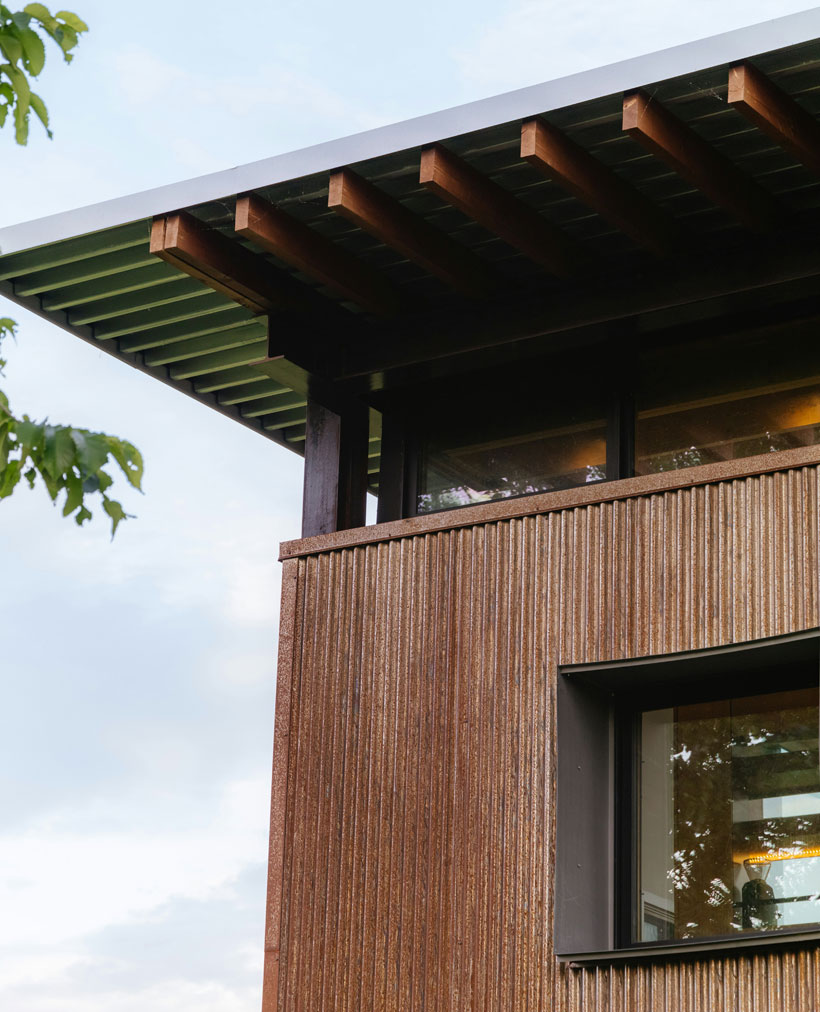
Penot’s Thermal Break Aluminium Products: What’s Included
At Penot Double Glazing, every window and door system we install is built with high-performance, thermally broken aluminium, because in Perth’s climate, standard just isn’t good enough.
Products with Integrated Thermal Break Technology
Our full range of window and door types is available with thermal break framing, including:
Each is designed for seamless integration into new builds or renovations, no compromise on aesthetics or insulation.
Technical Specs That Deliver Real Results
Our thermally broken frames:
- Use polyamide thermal barriers for superior heat resistance
- Support double or triple glazing units up to 38mm
- Achieve U-values as low as 1.8 (depending on glazing selection)
- Include compression seals and multi-point locks for airtight performance
Built to meet or exceed Australian Standards (AS2047 and energy efficiency benchmarks), ensuring long-term compliance and comfort.
Designed and Installed for WA’s Unique Conditions
We don’t use off-the-shelf solutions. Penot’s systems are:
- Engineered for coastal exposure, high heat, and bushfire zones
- Manufactured to European performance benchmarks
- Installed by trained Perth-based technicians who understand local requirements
It’s not just double glazing, it’s a full thermal system that works with WA, not against it.
The Role of Thermal Breaks in Double Glazing Systems
Double glazing isn’t just about the glass, the frame plays an equally important role in insulating your home. Without a thermal break, even the best double glazed unit can underperform.
How Frames and Glass Work Together
Think of your window or door as a system:
- The glass slows down heat transfer through conduction and radiation
- The thermal break in the frame prevents heat from bypassing the glass via the metal
- High-quality seals and hardware ensure airtightness and pressure control
When these elements work in unison, you get optimal year-round comfort, without hot spots, draughts, or wasted energy.
Common Misconceptions About Double Glazing Without Thermal Breaks
Some homeowners assume that double glazing alone is enough. The truth?
- Standard aluminium frames are highly conductive, which means heat still transfers rapidly in or out of the home
- Without a thermal barrier, you risk condensation, frame heat-up, and reduced energy efficiency
This is why at Penot, we never recommend double glazing in non-thermally broken aluminium frames.
Holistic Insulation = Glass + Frame + Seals
True energy performance isn’t a single upgrade, it’s a system.
A thermally broken frame maximises the benefits of your double glazing by:
- Minimising heat bridging around the glass
- Supporting proper seal compression
- Ensuring long-term performance in Perth’s harsh climate
It’s the difference between a marginal improvement and a true transformation in home comfort.
Are Thermal Break Frames Worth the Investment?
When planning a renovation or new build, it’s natural to weigh cost against benefit. Thermal break aluminium frames may come with a higher upfront price, but they deliver significantly more in long-term performance, comfort, and savings.
Long-Term Savings on Energy and Maintenance
Perth homes face extreme summer heat and cold winter nights. Thermally broken frames help you:
- Reduce reliance on air conditioning and heating, cutting your energy bills
- Minimise wear on HVAC systems by maintaining stable indoor temperatures
- Prevent condensation, protecting your walls, floors, and furnishings from moisture damage
Over 5–10 years, the operational savings can outweigh the installation cost, especially in larger homes or those with western-facing aspects.
Resale Appeal and Future Compliance Readiness
Buyers are increasingly aware of performance-based upgrades. A home with thermally broken frames and double glazing:
- Stands out in listings as a premium, low-maintenance property
- Meets or exceeds future energy compliance standards
- Appeals to eco-conscious buyers seeking long-term energy efficiency
It’s an upgrade that improves comfort today, and future-proofs your property for tomorrow.
Conclusion: If You’re Building or Upgrading, Don’t Skip the Thermal Break
In Perth’s challenging climate, comfort, efficiency, and durability aren’t optional, they’re essential. While double glazing gets a lot of attention (and rightly so), it’s the thermal break inside the frame that often makes the biggest difference to how your home performs year-round.
From reducing heat gain and energy bills to improving comfort and protecting your interiors, thermally broken aluminium frames deliver results you’ll feel every day. And when it’s time to sell, they’re a value-add buyers can see and trust.
Thinking of upgrading your windows or doors? Speak to Penot Double Glazing for expert advice and a free quote on our thermally broken aluminium systems, engineered for Perth, built to last.