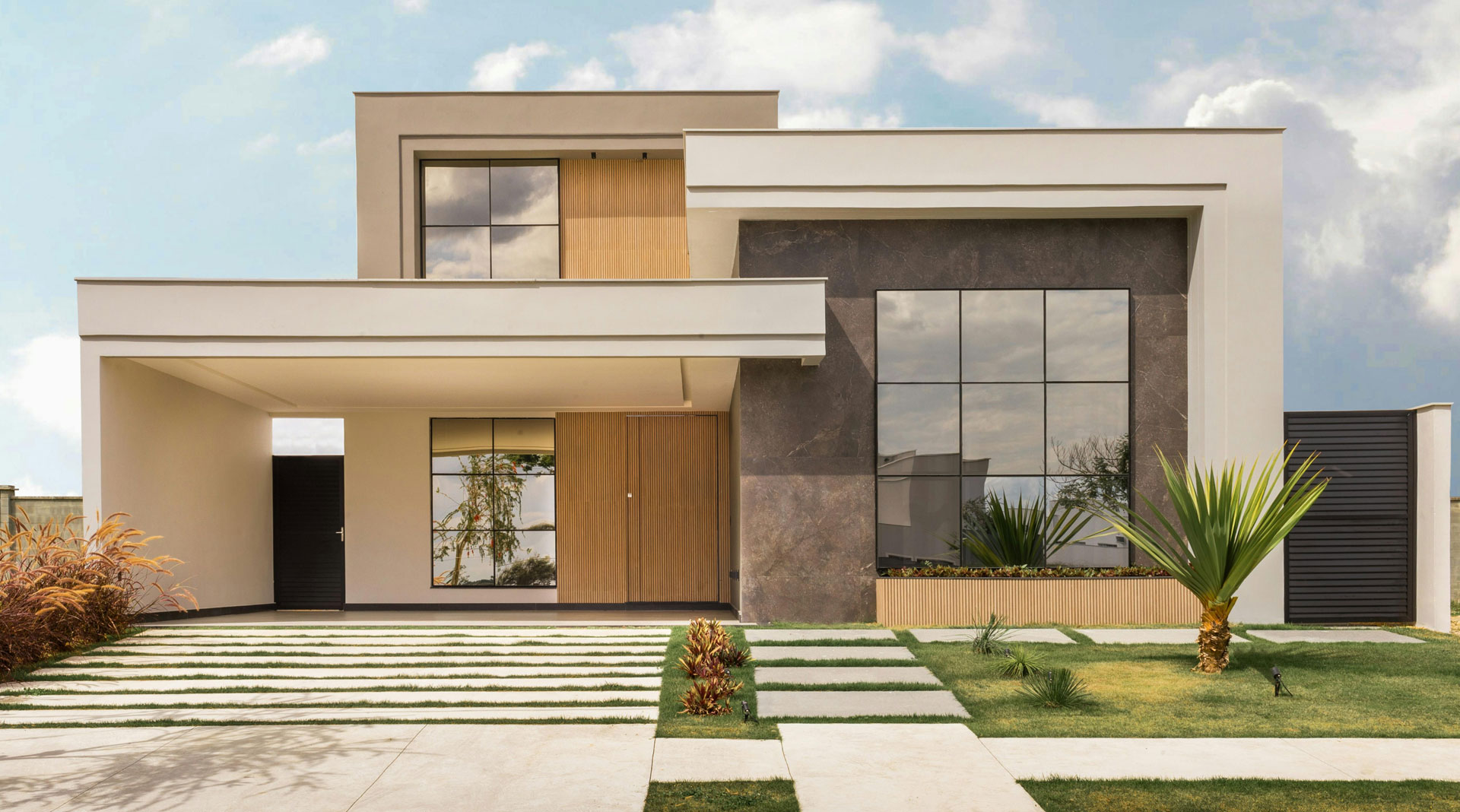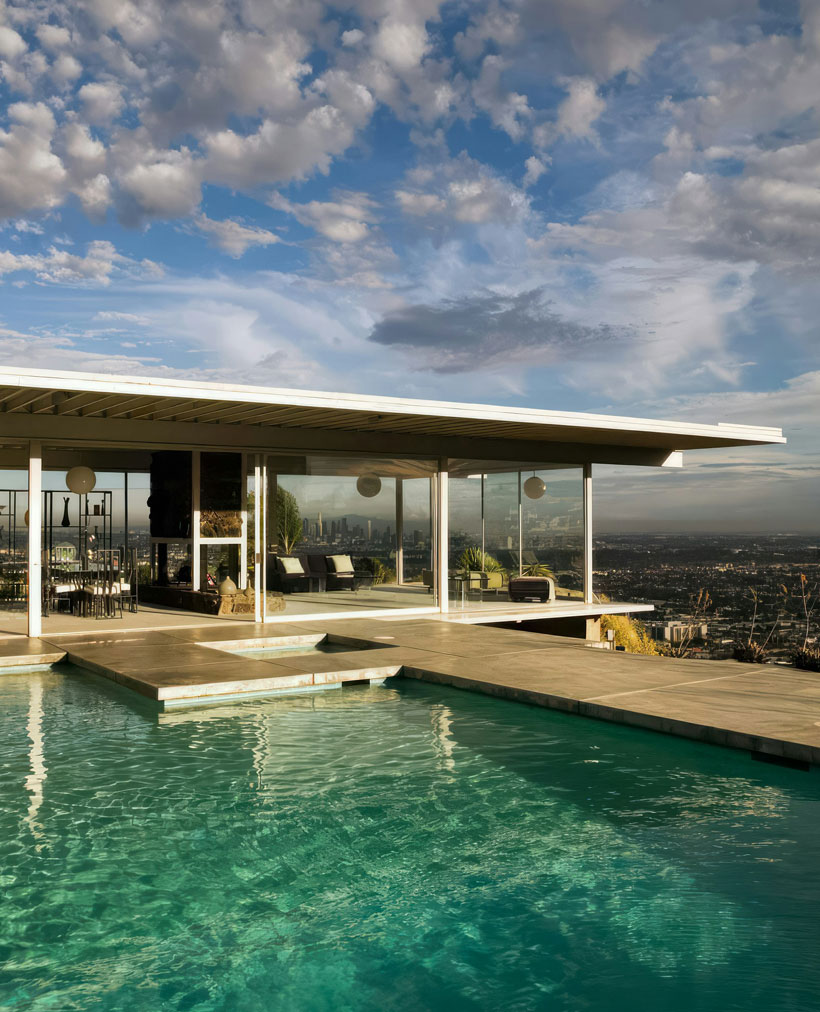
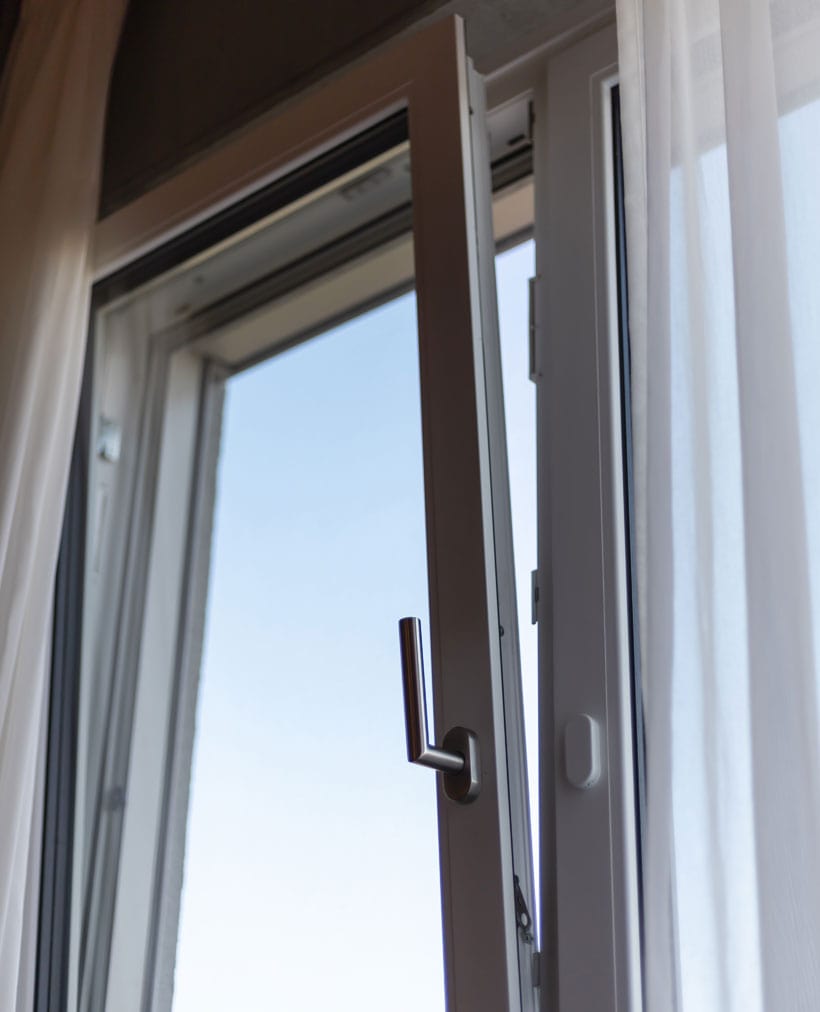


Compare airflow, security, and usability to find the right double glazed window style for your lifestyle and WA’s unique climate.
Choosing the Right Window Style for Perth Homes
Windows aren’t just for letting in light, they shape how your home breathes, feels, and functions. And in Perth’s shifting climate, where coastal breezes meet scorching summers, the right window choice can make a huge difference in your comfort, energy use, and lifestyle.
Two of the most popular double glazed window styles are casement and tilt & turn. Both offer excellent thermal performance, noise reduction, and sleek design, but they operate in very different ways. So how do you choose the right one for your home?
In this guide, we’ll compare casement and tilt & turn windows across key factors like:
- Airflow and ventilation
- Safety and security
- Ease of maintenance
- Style compatibility
- Cost and long-term performance
Whether you’re building a new home, upgrading for better insulation, or replacing old windows with a European-inspired system, this side-by-side breakdown will help you make the smart call.
What Are Casement Windows — and How Do They Work?
Casement windows are one of the oldest and most trusted window styles, and for good reason. They combine excellent ventilation with strong seals and a clean, classic look that suits many Perth homes.
Side-Hinged Opening, Ideal for Directional Airflow
Casement windows are hinged on the side and swing outward like a door. This allows you to angle the sash to catch or block breezes, making them ideal for controlling natural airflow, especially in coastal suburbs or homes with cross-ventilation designs.
They’re also highly functional in smaller rooms, bathrooms, and hallways where sliding or tilt mechanisms may not be practical.
Great for Ground-Floor Installations and Easy Cleaning
Because the sash opens fully outward, casement windows are particularly easy to clean from inside the home, especially on ground-level installations. You can reach both sides of the glass without needing to lean out or remove panels.
This makes them a solid choice for homeowners who prioritise low-maintenance functionality with everyday usability.
Sealing Strength and Thermal Performance
When closed, casement windows press tightly into the frame with compression seals, providing excellent airtightness and thermal insulation. This means fewer draughts, less energy loss, and stronger acoustic control, all essential for energy-efficient homes in WA.
Paired with double glazing and thermally broken aluminium frames, casement windows deliver reliable performance without compromising on heritage charm or contemporary styling.
What Makes Tilt & Turn Windows Different?
Tilt & turn windows bring European design thinking to Australian conditions, combining two opening functions in one sleek, highly engineered system. They’re especially popular in multi-storey homes and passive builds across Perth.
Two-Way Operation — Tilt In for Ventilation, Turn In for Full Opening
The key feature of a tilt & turn window is its dual-function hardware. With a single handle:
- Tilt mode allows the top of the window to angle inward for gentle airflow
- Turn mode swings the entire sash inward like a door for full ventilation or easy access
This versatility makes tilt & turn systems perfect for both everyday airflow and deep cleaning.
Secure Partial Airflow for Upstairs Rooms or Night Cooling
Because the window can be locked in the tilt position, you get safe, secure ventilation without leaving the window wide open. That’s ideal for:
- Bedrooms where you want airflow overnight
- Children’s rooms where fall risks exist
- Upper-storey windows where security matters
It’s passive cooling, without the compromise.
Why Tilt-Turn Is Common in European and Multi-Storey Designs
Across Europe, tilt & turn systems are standard in apartments and energy-conscious builds. Their airtight sealing, inward-opening convenience, and high security ratings make them a smart choice for Perth homeowners seeking both style and performance, especially in locations where bushfire compliance, height access, or energy efficiency are critical.

Airflow Comparison: Which Window Offers Better Ventilation Control?
In a climate like Perth’s, where cooling sea breezes, dry heat, and occasional storms all play a part, window airflow isn’t just about fresh air. It’s about control, comfort, and adaptability.
Casement Windows and Directional Breezes
Casement windows excel at catching and directing airflow. When angled correctly, the open sash can scoop breezes into a room or shield against wind depending on the season and orientation.
This makes them especially effective in:
- Coastal suburbs like Cottesloe or Trigg
- Homes with cross-ventilation designs
- Ground-level rooms that benefit from strong, directional air movement
They’re a straightforward, highly effective option for natural cooling.
Tilt Function for Safe Passive Airflow in WA Summers
Tilt & turn windows shine when you want gentle, secure, passive airflow. The top-tilt setting allows warm air to escape while cooler air enters, ideal for overnight ventilation without compromising security.
This is particularly valuable in:
- Bedrooms and nurseries
- Upper-floor living areas
- Urban homes concerned with break-ins or fall risks
You get ventilation without fully opening the window, keeping insects, noise, and heat out.
Real-World Airflow Examples: Coastal vs Urban Homes
- In coastal homes, casement windows can harness strong breezes directly off the ocean
- In urban or multi-storey homes, tilt & turn windows provide safe, filtered ventilation without needing exterior clearance
- In bushfire-prone areas, both styles can be configured with BAL-rated glazing and seals, but tilt & turn offers more control with windows locked in a semi-open position
Security & Safety: How the Two Systems Compare
Double glazed windows aren’t just about insulation, they play a vital role in protecting your home. Whether you’re worried about break-ins, child safety, or fire zones, both casement and tilt & turn windows offer strong security features, but with key differences.
Multi-Point Locks and Toughened Glass as Standard
At Penot, all casement and tilt & turn windows come with:
- Multi-point locking systems for maximum frame compression and intrusion resistance
- Toughened or laminated double glazing to meet Australian Standards
- Thermally broken aluminium frames that resist warping and forced entry attempts
These features ensure your window system is more than just a design choice, it’s a secure barrier between your home and the outside world.
Tilt-Turn’s Advantage for Child-Safe Ventilation
Tilt & turn windows are a clear winner for homes with young children or pets. The tilt function allows airflow while the window remains locked in place, making it:
- Safer for upper-floor bedrooms
- Ideal for night-time ventilation with peace of mind
- Compliant with fall-prevention and safety guidelines
This makes tilt & turn a smart choice in multi-level homes or rooms where safety and air circulation need to work together.
Casement vs Tilt-Turn in Bushfire or High-Wind Zones
Both systems can be configured to meet BAL-rated compliance (Bushfire Attack Level) using appropriate glazing and seals. However:
- Casement windows are better suited to areas needing robust outward closure and fast egress
- Tilt & turn windows are more versatile in high-rise or wind-prone locations due to their inward opening and secure venting
For high-exposure zones, like Perth Hills or open coastal areas, Penot can advise which frame configuration best balances safety, airflow, and compliance.
Maintenance & Cleaning: Which Is Easier to Live With?
Window maintenance may not be glamorous, but it matters, especially in Perth’s dusty summers, coastal salt air, or when access is tricky. The good news? Both casement and tilt & turn windows are designed for longevity. But one has a clear edge in day-to-day practicality.
Cleaning External Glass — Tilt-Turn Wins for Upper Floors
Tilt & turn windows have a major advantage: you can clean both sides of the glass from inside the home. Just switch to the full-turn setting, and the entire sash swings inward. This makes them ideal for:
- Double-storey homes
- Apartments or narrow side setbacks
- Elderly residents who want safer access
Casement windows, while easy to clean on the ground floor, require outdoor access (or ladders) for upstairs panels.
Durability and Parts Access Over Time
Both window types use high-quality, corrosion-resistant hardware and double-glazed sealed units designed for longevity. At Penot, all components, from handles to hinges, are serviceable and built to withstand Perth’s variable climate.
Tilt & turn windows do have slightly more complex mechanisms, so we recommend choosing trusted systems (like ours) with local support and replacement part availability.
What Perth Homeowners Should Consider Long-Term
- If you live coastal, ensure regular cleaning of external frames (regardless of style) to prevent salt build-up
- If you want low-maintenance airflow, tilt & turn gives you secure ventilation with minimal intervention
- If you prioritise simplicity, casement systems offer fewer moving parts and proven reliability
Design Aesthetics: Which Window Style Fits Your Home?
Beyond performance, windows play a major role in how your home looks, both inside and out. Casement and tilt & turn windows each offer their own architectural appeal, and the right choice often comes down to design intent and home style.
Minimalist vs Traditional Profiles
- Casement windows tend to suit more traditional or transitional homes. Their outward-opening sash and vertical proportions echo classic timber styles, making them ideal for heritage-inspired builds or Federation renovations.
- Tilt & turn windows feature a more contemporary, minimalist profile with flush, clean lines, great for modern architecture, passive homes, and high-end renovations.
At Penot, both systems can be finished in custom colours and hardware options, so the design can match your home’s tone, not fight it.
Compatibility with Architectural Styles in Perth
- Casement windows look at home in Cottesloe coastal cottages, Mount Lawley character homes, or Hamptons-style builds.
- Tilt & turn is a natural fit for modern Subiaco townhouses, energy-efficient new builds, or luxury hilltop homes where performance meets pared-back aesthetics.
Our slimline frames also mean neither option will overwhelm your façade, a common concern for homeowners replacing old timber with double glazing.
Interior and Exterior Frame Impact
Tilt & turn windows open inward, which changes how they interact with curtains, blinds, and furniture, something to consider for tighter spaces. Casement windows open outward, preserving internal layout but requiring clear exterior swing space.
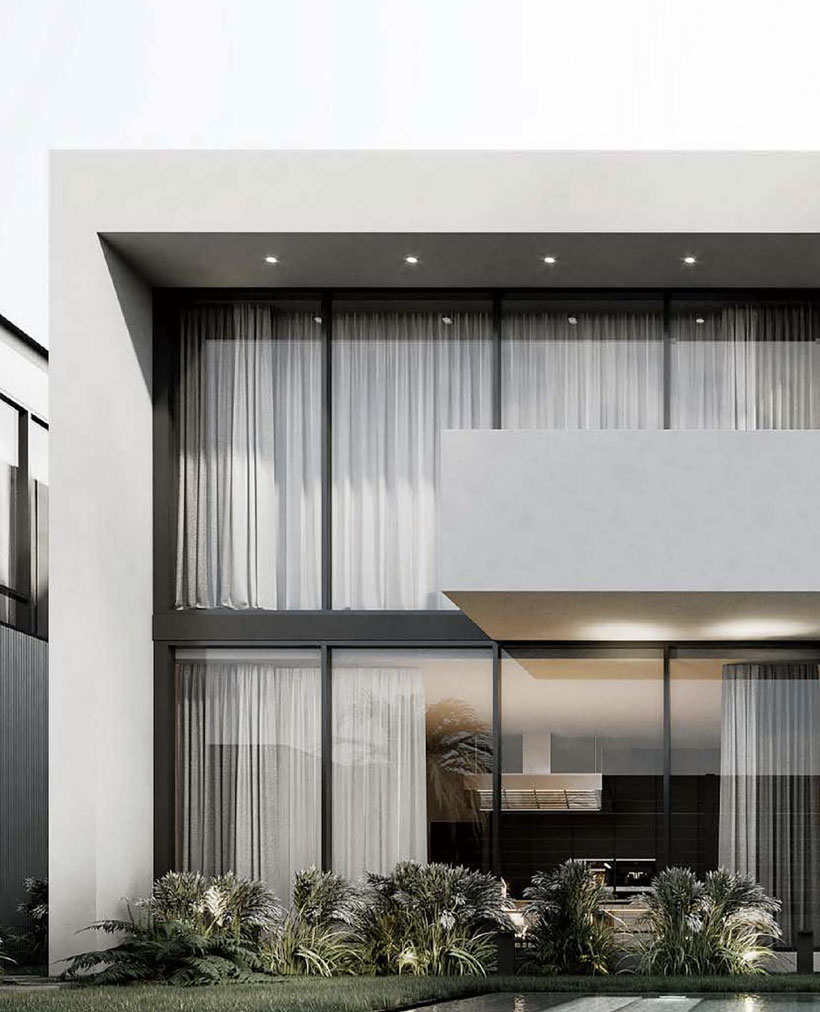
No matter which you choose, Penot’s thermally broken aluminium frames deliver a high-end finish that blends form and function, with zero compromise on aesthetics.
Price & Performance: What’s the Cost Difference?
When comparing casement and tilt & turn windows, cost is often part of the conversation, but it’s not just about the upfront figure. Long-term value, energy savings, and performance should be weighed just as heavily.
Double Glazed Casement vs Tilt-Turn Pricing in WA
In general:
- Casement windows are more cost-effective upfront due to simpler hardware and fewer moving parts
- Tilt & turn windows carry a higher base price because of dual-function mechanisms and additional reinforcement
However, both styles are customisable, and final pricing depends on:
- Size and quantity
- Frame finish and colour
- Glass specification (e.g. low-E, laminated, acoustic)
- Installation complexity (e.g. retrofits, upper-storey access)
At Penot, both options come with high-performance double glazing and thermally broken aluminium as standard, ensuring you don’t sacrifice performance for price.
ROI in Terms of Energy Savings and Comfort
Both systems dramatically improve thermal performance over single glazing, with tight compression seals that reduce heating and cooling demand.
Tilt & turn windows may offer a slight edge in air tightness and ventilation control, especially in passive solar builds or energy-efficient homes. But both deliver:
Which Delivers Better Long-Term Value?
It comes down to your priorities:
- Choose casement windows if you want a lower entry cost and classic aesthetic
- Choose tilt & turn windows if you prioritise flexibility, safety, and full interior control
In either case, the upgrade to double glazing, when paired with a reliable system like Penot’s, pays for itself over time in energy efficiency, durability, and resale appeal.
So, Which Window Style Should You Choose?
There’s no one-size-fits-all answer, and that’s a good thing. Both casement and tilt & turn windows offer outstanding performance, but one may suit your home or lifestyle more than the other.
Best for Single-Storey Homes: Casement
If your home is single-level, traditionally styled, or prioritises easy outward airflow, casement windows are a smart, cost-effective choice. They deliver strong sealing, directional ventilation, and a timeless look, especially suited to heritage homes and ground-floor rooms.
Best for Multi-Storey / Passive Airflow: Tilt-Turn
For multi-storey living, high-security zones, or homes designed around passive climate control, tilt & turn windows offer unmatched flexibility. With inward access for cleaning and the ability to lock-in ventilation, they suit busy families, modern builds, and energy-conscious homeowners.
Penot’s Guidance on Project-Based Recommendations
At Penot, we help clients across Perth select the right system based on:
- Floor plan and room orientation
- Security and ventilation priorities
- Budget and compliance needs
- Style preferences and glazing goals
If you’re still unsure, we’ll walk you through both options, and show you real-life installs to help you visualise what works best in your space.
Still Not Sure? We’ll Help You Compare Options for Your Home
Choosing between casement and tilt & turn windows isn’t always about picking a winner, it’s about finding the right fit for your space, your lifestyle, and your home’s design.
Both window styles offer:
- Outstanding thermal and acoustic insulation
- Secure, high-performance double glazing
- Flexible configurations tailored to Perth conditions
Whether you’re building from scratch, renovating, or upgrading tired old frames, Penot’s team can help you weigh up airflow, style, security, and budget, with honest, expert advice.
Let’s find your perfect window
Book your free consultation or explore our window range to see which style suits your project best.