
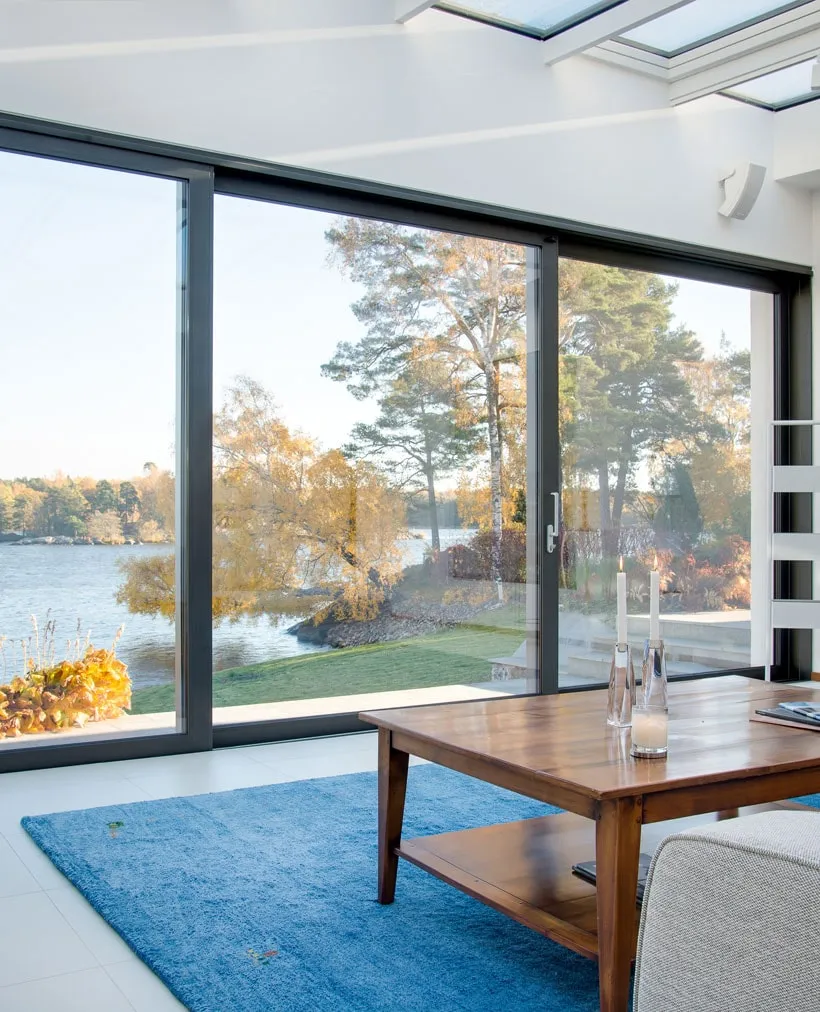
Double Glazing Ascot
Updated
Acoustic Double Glazing for Ascot's Riverside Homes
Ascot is 2 to 3 km from Perth Airport under approach and departure paths. Runway 03 departures begin at 5:00 AM and Runway 21 arrivals peak in the afternoon, giving homes on Grandstand Rd and Epsom Ave two distinct aircraft noise windows daily, with Great Eastern Highway and Tonkin Highway adding road noise in between. Acoustic performance depends on the complete window specification and installation. Ask for test data for the configuration being quoted.

ACOUSTIC GLAZING FOR ASCOT HOMES
Acoustic Double Glazing for Ascot's Riverside Precinct
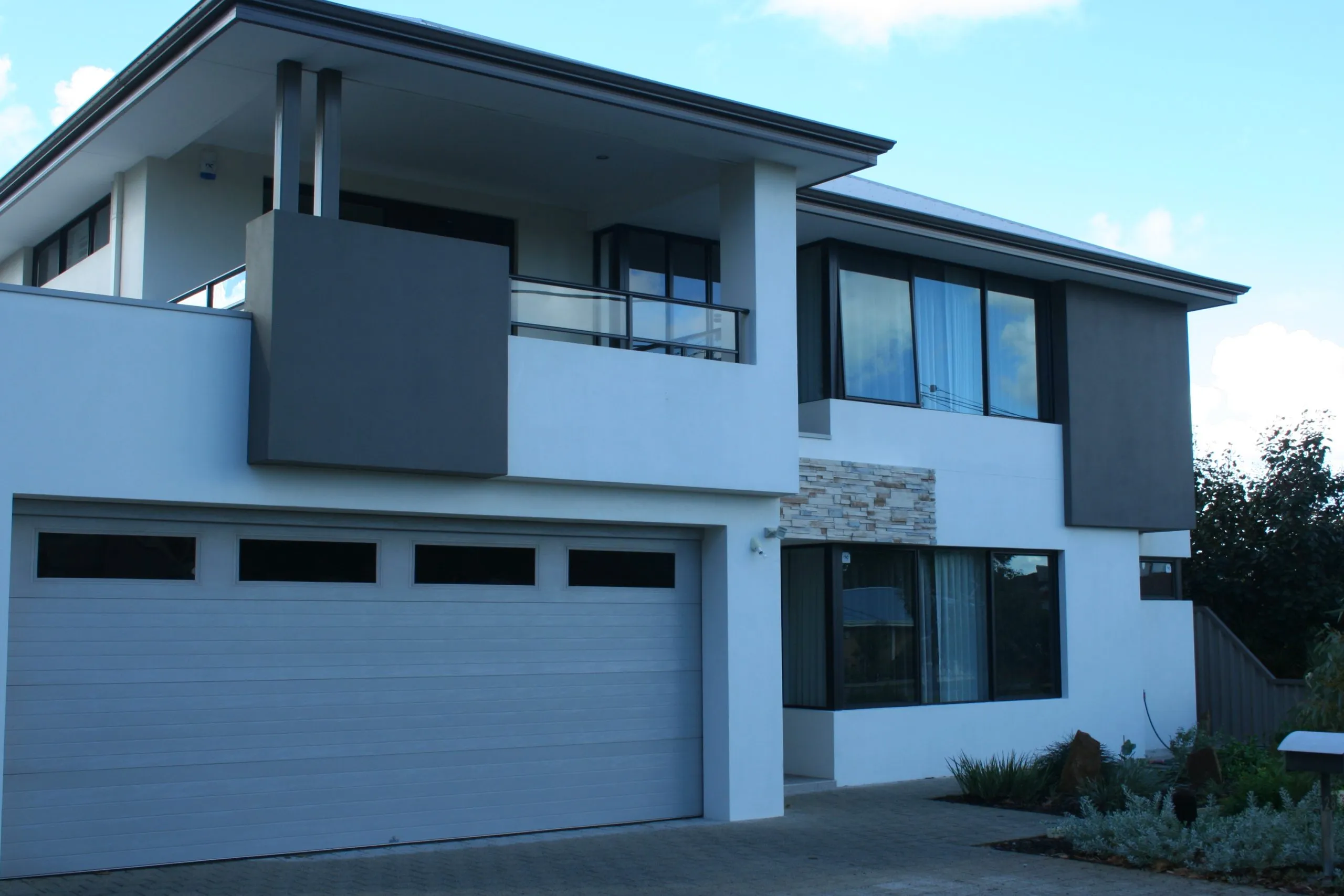
Ascot’s noise exposure runs two ways: Runway 03 departures begin before sunrise, and Runway 21 arrivals cross the suburb again from 2:00 PM to 6:00 PM. Most flight-path suburbs get one peak. Ascot gets two, with road noise from Great Eastern Highway and Tonkin Highway filling the gaps.
Along the Swan River, premium homes near Ascot Racecourse and Garvey Park sit on large lots, where combined aircraft and road noise behaves differently than on a standard block. Choosing double glazed windows Perth specialists who assess both sources matters here. Penot Double Glazing looks at each Ascot home’s exposure, glazing and construction, so the acoustic performance case covers the full noise picture, not just the flight path.
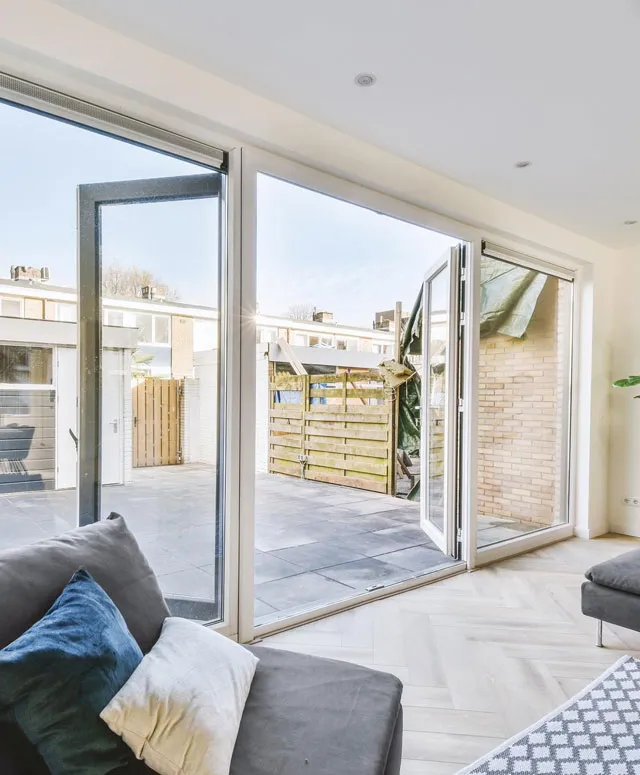
ASCOT'S AIRCRAFT NOISE STORY
Which runway operations affect Ascot and when exposure peaks
Ascot sits within Perth Airport’s ANEF mapping, 2 to 3 km from the runway complex. Under north-flow conditions, Runway 21 arrivals track over the suburb on descent, while Runway 03 departures run from 5:00 AM under the airport’s no-curfew policy, at up to 35 movements an hour. A second peak follows in the afternoon arrival window, 2:00 PM to 6:00 PM. Check flight paths on Airservices Australia WebTrak and noise data on Perth Airport’s noise page.
There is no government insulation or buyback program for existing Ascot homes, so the funded path to a quieter interior is owner-initiated acoustic glazing. Penot specifies each opening through a flight path noise reduction assessment covering size, orientation and frame type at your address.
ACOUSTIC GLAZING SOLUTIONS
How Acoustic Double Glazing Works for Ascot Homes
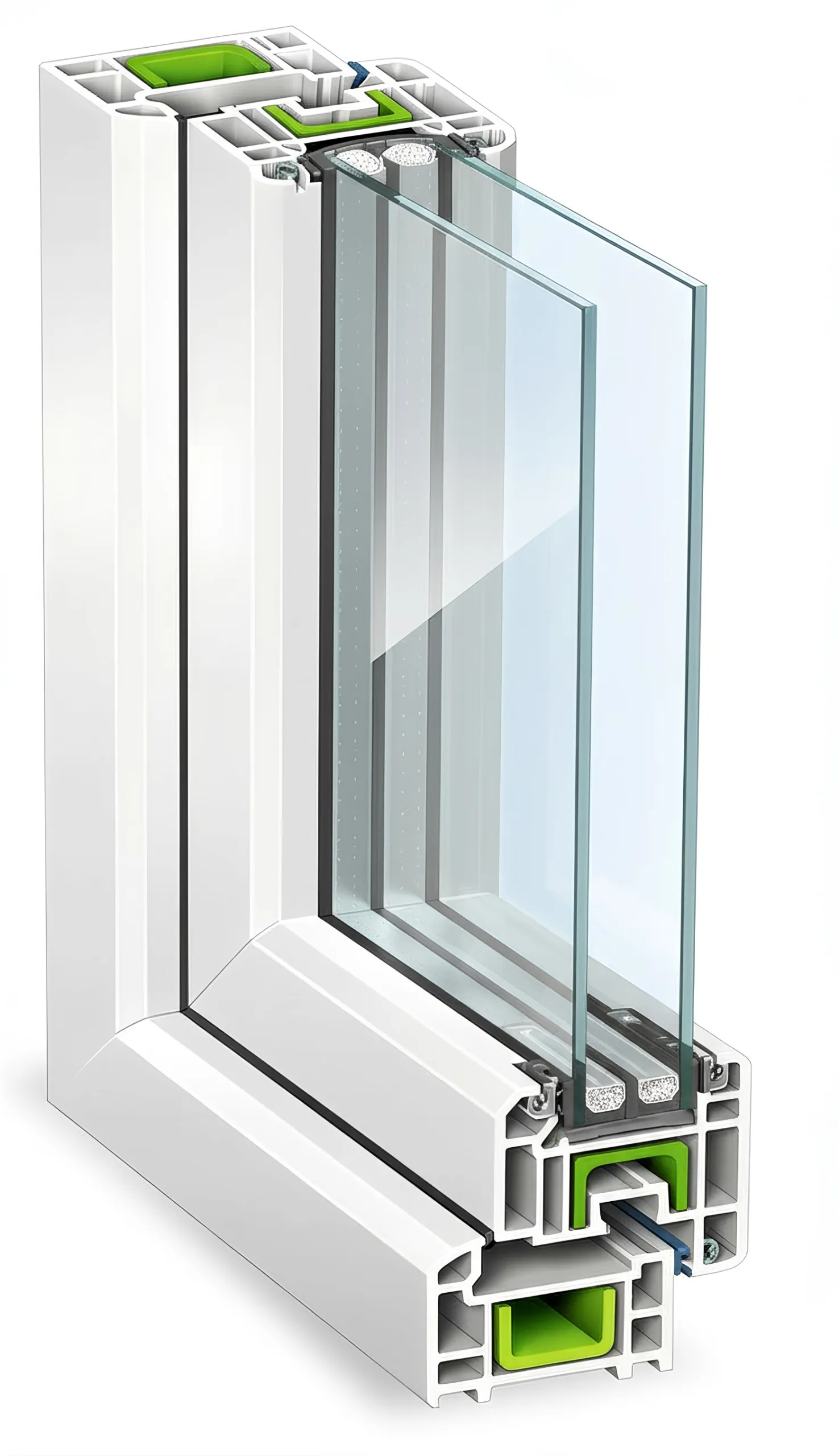
Acoustic double glazing combines two panes with a calibrated gap, with at least one laminated pane whose interlayer absorbs sound energy. The sealed air gap breaks the direct sound path, and asymmetric pane thicknesses prevent the resonance that lets low-frequency jet noise through standard glazing. A thermally broken frame with quality compression seals closes the perimeter gaps that are typically the weakest acoustic link in any installation.
Acoustic performance depends on the complete window specification and installation. Ask for test data for the configuration being quoted. Actual reduction depends on the windows treated, frame integrity, and other building elements, confirmed at the on-site assessment.
Large architectural windows, stacker doors, and feature glazing common in Ascot homes need careful specification. Stackers require thermally broken aluminium frames with compression seals to prevent flanking. Oversized or non-standard openings are handled with custom-sized units, measured on site by Penot's team. Frame quality matters as much as glass specification: a poorly sealed frame delivers a fraction of the rated Rw performance regardless of the glass used.
DOES THIS NOISE SOUND FAMILIAR?
Signs Your Ascot Home Needs Acoustic Window Upgrades
If two or more of the signs below apply to your Ascot home, an on-site acoustic assessment will identify which openings let in the most noise and the Rw rating each one needs. Call 1300 121 603 to arrange one.

WHY CHOOSE PENOT
Why Ascot Homeowners Choose Penot Double Glazing

Penot supplies and installs windows and doors for Perth homes. Our team assesses the openings and confirms the frame, glass, finish and installation scope in a written quote. Visit the Bayswater showroom to discuss your project.
Ascot's large-lot and stables-precinct properties vary considerably. A home on 1,000 sqm with multiple orientations and river-facing glazing needs a different specification from a standard suburban build. Penot's assessors visit the property, check every opening, measure frame conditions and map the noise exposure before proposing a solution.
Acoustic glazing requires skills beyond standard window fitting: understanding resonance frequencies, specifying the right glass and gap combination, and sealing frames to prevent flanking. Our team has handled this across Perth homes of every era and construction type, including the premium heritage and contemporary builds common in Ascot.
Penot has worked with homeowners throughout the riverside and airport corridor suburbs, including properties near the racecourse precinct and Swan River frontage. The 10-year frame warranty is confirmed at quote stage. Penot does not use subcontractors. The team that quotes the job does the job.
INVESTMENT AND VALUE
Acoustic Double Glazing as a Property Investment in Ascot
In Ascot, the cost of acoustic window replacement comes down to the complexity of the openings, not the size of the house. It varies with the number of openings, the glass specification, and whether oversized sliders, stacker doors or river-facing feature windows are involved, since those need custom-cut glass and engineered frames. Acoustic performance depends on the complete window specification and installation. Ask for test data for the configuration being quoted. Ascot’s median house price is $1,250,000, driven by its riverside setting and premium housing stock. For an Ascot home in a recognised ANEF zone, that means recovered resale value, lower bills, and sleeping through the 5:00 AM departure wave. Penot serves double glazing across Perth with a detailed written quote before you commit, backed by the noise reduction and property value research behind acoustic glazing.
THE PENOT DIFFERENCE
How Penot Double Glazing Compares for Ascot Homes
Assessment Method | Remote or Phone-Based Quoting | ✓ In-Person Property Assessment |
Installers | Subcontracted Installation Teams | ✓ Our Own Trained Installers |
Quote | Surprise Costs at Invoice | ✓ Fully Itemised Written Quote |
Local Knowledge | Companies Shipping from Interstate | Perth supply and installation |
Guarantee | Warranty Under 10 Years or None | ✓ 10-Year Frame Warranty on Every Ascot Install |
Penot differs from most window companies on five points: every quote starts with an in-person property inspection rather than a phone estimate, the windows are fitted by Penot’s own employed installers rather than subcontractors, the detailed quote is agreed before you commit rather than revealed after, the business is WA-owned and operated with Ascot in its core service area, and the 10-year frame warranty is provided in writing.
Ready to Protect Your Ascot Home from Aircraft Noise?
Ascot’s proximity to the airport will not change, but the noise you hear indoors can. Penot Double Glazing provides a free on-site assessment and a written quote suited to your home. Call 1300 121 603 to arrange a time.
Get a Free Quote Now
Fill out the form below and we’ll aim to get back to you within 24 hours.
FAQ
Frequently asked questions.
- Which approach paths affect Ascot and when does noise exposure peak?
Ascot sits within current Perth Airport ANEF mapping, 2 to 3 km from the runway complex. Under north-flow conditions, aircraft on final approach to Runway 21 track over or close to the suburb as they descend. Runway 03 departure operations add a secondary exposure from 5:00 AM, with up to 35 movements per hour during the morning departure burst under Perth Airport’s no-curfew policy.
The afternoon arrival sequence, typically between 2:00 PM and 6:00 PM as interstate and international flights return, creates the other high-exposure window. Unlike suburbs on a single departure path, Ascot faces two distinct daily noise peaks. Road noise from Great Eastern Highway and Tonkin Highway fills the quieter periods, so there is rarely a clean window of indoor quiet. Acoustic glazing specified for Ascot needs to address the full range of engine noise from climb thrust through approach and landing configuration, alongside the road noise component.
- How does living this close to the airport affect an Ascot property's value?
Proximity to Perth Airport has a measurable impact on Ascot property values. Acoustic performance depends on the complete window specification and installation. Ask for test data for the configuration being quoted. For Ascot, where median prices sit at $1,250,000, even a modest noise-related discount represents a significant dollar figure. For a premium property in a recognised ANEF zone, the investment case is straightforward. Learn more about the noise reduction evidence and property value research behind acoustic glazing.
- What is Ascot's afternoon arrivals versus morning departures noise pattern?
Ascot experiences noise from two distinct operational phases, and understanding which is louder depends on where your home sits within the suburb.
The morning departure wave starts at 5:00 AM under Perth Airport’s no-curfew policy, with departures on Runway 03 potentially at a rate of up to one every two minutes during the busiest hour. This wakes residents before a typical day begins. The second peak is the afternoon arrival sequence, when aircraft descend on Runway 21 approach paths that cross or clip the suburb. International arrivals, interstate services, and regional flights all feed into this window. Homes on Grandstand Rd and Epsom Ave also contend with road noise from Great Eastern Highway filling the quieter aircraft periods, so indoor sound levels rarely drop to a comfortable baseline at any point during the day. Acoustic glazing specified for flight-path noise reduction in Ascot needs to address the full daily exposure, not just one peak.
- Can acoustic double glazing handle the large architectural and feature windows common in Ascot homes?
Yes, but large architectural windows, oversized sliders, and feature glazing require careful specification. Acoustic performance is determined by glass thickness, the width and gas fill of the cavity, and the integrity of the frame and seal system. A large pane of standard glass, even in a double-glazed unit, can resonate at aircraft frequencies and underperform its rated Rw value without the right laminate interlayer.
For Ascot properties with river-facing feature windows or frameless-look stacker systems, Penot specifies acoustic laminated glass with asymmetric pane thicknesses to avoid resonance, and thermally broken aluminium frames with compression seals. Custom sizing is handled in-house. The on-site assessment maps every opening, identifies any that need non-standard solutions, and confirms the specification before the written quote is issued.
- How do Great Eastern Highway and Tonkin Highway add to the noise problem in Ascot?
Acoustic performance depends on the glass, frame, seals and installation, as well as other sound paths through the building. Ask for test data for the complete window being quoted. A laboratory Rw rating cannot be subtracted from an outdoor noise reading to predict the sound level in your room.
- Should Ascot homeowners on large stables-precinct lots take a whole-home approach?
For homes on the large residential and stables-precinct lots common in Ascot, a whole-home approach consistently delivers better results than treating individual rooms. A single upgraded bedroom in a home with standard glazing everywhere else still allows aircraft noise in through untreated living areas and corridor openings, reducing the benefit of the bedroom investment.
On larger properties, the window count is higher but the relative cost per opening is often lower, and the acoustic benefit compounds when multiple facades are treated. Penot’s on-site assessment maps the full home, identifies the highest-priority openings, and provides a staged or whole-home plan so you can make an informed decision about scope and sequencing. Pricing is confirmed at quote stage.
- What factors shape the investment in acoustic glazing for an Ascot home?
Acoustic performance depends on the glass, frame, seals and installation, as well as other sound paths through the building. Ask for test data for the complete window being quoted. A laboratory Rw rating cannot be subtracted from an outdoor noise reading to predict the sound level in your room.
- Why does thermally broken aluminium suit Ascot's riverside homes particularly well?
Thermally broken aluminium frames separate the inner and outer aluminium sections with a polyamide thermal break, preventing direct conduction of heat and cold through the frame. In a riverside suburb like Ascot, this matters for two reasons: riverfront homes face pronounced temperature differences between sun-facing and water-facing elevations, and the thermal break also contributes to acoustic performance by interrupting vibration transmission through the frame itself.
Aluminium suits Ascot’s contemporary architectural homes and renovated character properties alike. It holds a precise seal over time and comes in powder-coat finishes that suit both heritage and contemporary facades. For large openings and feature windows where structural integrity matters, thermally broken aluminium consistently outperforms timber on long-term seal maintenance and acoustic performance.
- Which suburbs near Ascot does Penot also service for flight-path noise reduction?
Yes. Penot services the full airport corridor and inner river suburbs. Neighbouring areas include Belmont, Redcliffe, Rivervale, and Maylands, all of which share exposure to Perth Airport flight paths and the same road noise corridors. Assessments are carried out on site, supplied and installed by Penot. Call 1300 121 603 to arrange your assessment.