
Double Glazing Belmont
Updated
Acoustic Double Glazing Near Perth Airport, Belmont
Belmont sits 450 metres from the Runway 06/24 threshold. Perth Airport occupies 33.7 percent of the City of Belmont’s total land. During cross-wind operations, Belmont’s western streets bear the highest aircraft noise of any residential area in Perth. Acoustic performance depends on the complete window specification and installation. Ask for test data for the configuration being quoted.

AIRCRAFT NOISE BELMONT
Double Glazed Windows for Belmont Homes Near the Airport
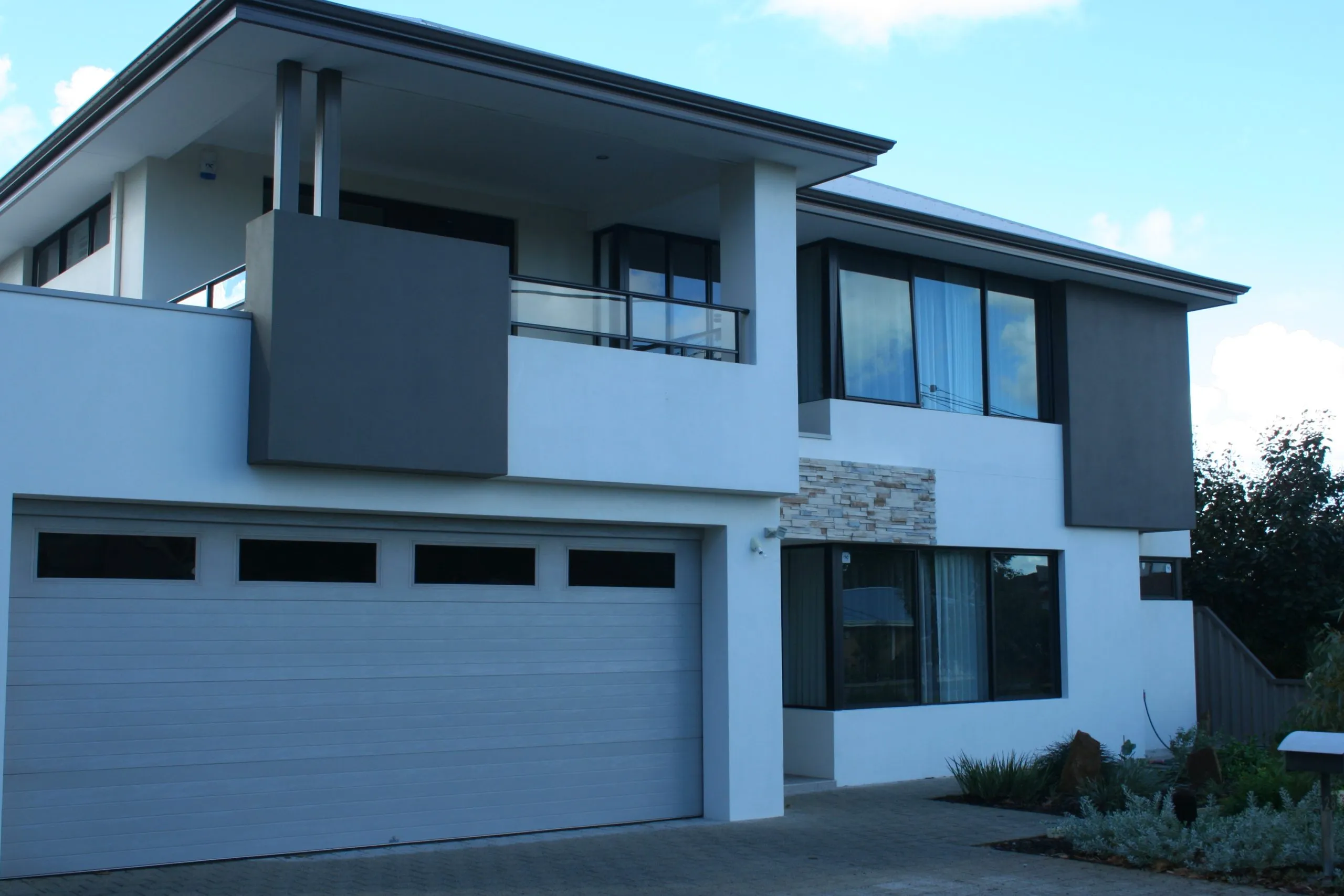
Belmont is one of Perth’s most noise-exposed suburbs. Perth Airport occupies 33.7 percent of the City of Belmont’s land, and that will not change. Housing along Abernethy Road and Great Eastern Highway is post-war brick and fibro from the 1950s to 1970s. Acoustic performance depends on the complete window specification and installation. Ask for test data for the configuration being quoted. Penot Double Glazing supplies and installs replacement windows and doors for Perth homes. See the full range of double glazed windows Perth homeowners near the airport corridor are choosing.
BELMONT FLIGHT PATH AND NOISE EXPOSURE
Why Belmont Records Such High Aircraft Noise Levels
Belmont records the highest aircraft noise of any residential suburb in Perth. It sits 450 metres from the Runway 06/24 threshold, placing jets directly overhead at their lowest and loudest point. Belmont also receives significant overflight noise on Runway 03/21. There is no curfew. Departures begin at 5 am with up to 35 movements per hour, and growth from 440 to over 600 movements per day is forecast by the mid-2040s.
The Abernethy Road corridor sits in a confirmed ANEF noise band. Check your address through the Perth Airport community noise management portal.
No government insulation or buyback program covers Belmont homes. Penot offers a flight path noise reduction assessment covering opening sizes, orientation, and frame type.
ACOUSTIC DOUBLE GLAZING SOLUTIONS
How Acoustic Glazing Works in High-Exposure Suburbs
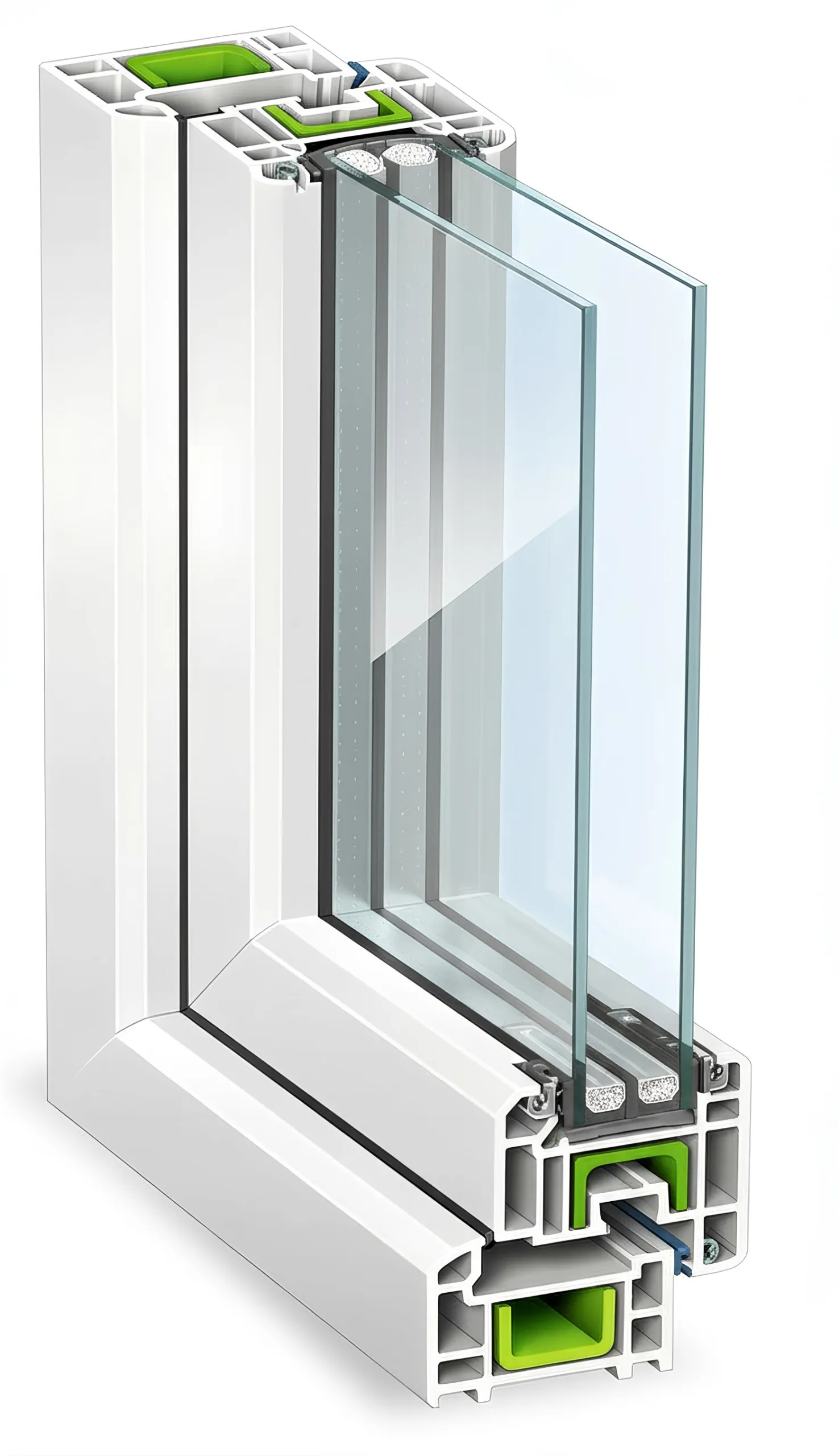
Acoustic double glazing combines two panes with a calibrated gap, with at least one laminated pane whose polyvinyl butyral interlayer absorbs and breaks up sound energy. Acoustic performance depends on the complete window specification and installation. Ask for test data for the configuration being quoted. A thermally broken frame with quality perimeter seals closes the gaps that are usually the weakest acoustic link in any opening.
Acoustic performance depends on the complete window specification and installation. Ask for test data for the configuration being quoted. For Belmont homes 450 metres from a runway threshold, where aircraft pass at their lowest altitude and highest thrust, that reduction is enough to bring a bedroom from a level that interrupts sleep to one that does not.
Penot supplies and installs windows and doors for Perth homes. Our team assesses the openings and confirms the frame, glass, finish and installation scope in a written quote. Visit the Bayswater showroom to discuss your project.
DOES THIS AIRCRAFT NOISE SOUND FAMILIAR?
Signs Your Belmont Home Needs Acoustic Window Replacement
If two or more of the signs below apply to your Belmont home, an on-site acoustic assessment will identify which openings let in the most noise and the Rw rating each one needs. Call 1300 121 603 to arrange one.

WHY CHOOSE PENOT
Why Belmont Homeowners Choose Penot Double Glazing

Penot supplies and installs windows and doors for Perth homes. Our team assesses the openings and confirms the frame, glass, finish and installation scope in a written quote. Visit the Bayswater showroom to discuss your project.
Belmont homes vary considerably. A 1960s fibro cottage on Wright Street has different frame dimensions and noise pathways to a 1990s brick-and-tile on Alexander Road. Penot's assessment measures every opening, checks frame condition and identifies which elevations face primary noise sources. The quote is costed to your specific home.
Penot's team has installed acoustic glazing from 1950s concrete-sill openings through to contemporary aluminium curtain-wall configurations. Working in Belmont means familiarity with the suburb's post-war brick construction and the non-standard sill heights and frame tolerances of older builds, which shortens the assessment and reduces installation surprises.
Penot supplies and installs windows and doors for Perth homes. Our team assesses the openings and confirms the frame, glass, finish and installation scope in a written quote. Visit the Bayswater showroom to discuss your project.
INVESTMENT AND VALUE
What Acoustic Window Replacement Is Worth in Belmont
In Belmont, the cost of acoustic window replacement is driven by the number and complexity of the openings, not the size of the house: opening count, frame type, glass specification, whether doors are included, and non-standard sill heights or concrete frames in 1950s to 1970s homes. An accurate figure comes from an on-site quote with the full specification confirmed first. A window upgrade may affect buyer appeal, but an increase in sale price is not guaranteed. For a Belmont home, the value case combines recovered resale value, energy savings and sleeping through the 5 am departure wave. Penot serves double glazing across Perth with a detailed written quote after the site visit, and the noise reduction overview sets out the full technical case.
THE PENOT DIFFERENCE
What Separates Penot From Other Perth Double Glazing Companies
Assessment Method | Phone-Only Quoting | ✓ On-Site Assessment at Your Belmont Home |
Installers | Relies on Third-Party Installers | ✓ Fully In-House Team, No Subcontractors |
Quote | Quote Fees or Surprise Charges | ✓ Free, Detailed On-Site Quote |
Local Knowledge | Companies Operating From Eastern States | ✓ 100% WA-Owned and WA-Operated |
Guarantee | Limited or No Frame Warranty | ✓ 10-Year Frame Warranty as Standard |
Penot differs from most window companies on five points: every quote starts with an in-person property inspection rather than a phone estimate, the windows are fitted by Penot’s own employed installers rather than subcontractors, the detailed quote is agreed before you commit rather than revealed after, the business is WA-owned and operated with Belmont in its core service area, and the 10-year frame warranty is provided in writing.
Ready to Quieten Your Belmont Home?
Living 450 metres from a runway does not mean living with the noise. Penot Double Glazing installs acoustic glazing for Perth’s most exposed areas. Call 1300 121 603 to book a free assessment or request a quote online.
For nearby properties, see our information on aircraft noise reduction in Ascot.
Get a Free Quote Now
Fill out the form below and we’ll aim to get back to you within 24 hours.
FAQ
Frequently asked questions.
- What does living 450 m from the Runway 06/24 threshold mean for noise day to day?
At 450 metres from the Runway 06/24 threshold, Belmont homes experience aircraft at their lowest altitude and highest thrust in the departure and arrival sequence. During cross-wind operations, Runway 06/24 puts jets directly overhead, and Belmont bears the highest aircraft noise exposure of any residential suburb in Perth during those periods. On days when the main Runway 03/21 is in use, Belmont still receives significant overflight noise from aircraft climbing or descending along the western corridor. Morning departures begin at 5 am with up to 35 movements per hour, and there is no curfew. The suburb sits within a confirmed ANEF noise exposure band, and the Perth Airport community noise management portal provides address-level detail.
For most Belmont residents the practical daily reality is noise from 5 am onwards, with no reliable quiet window until late evening. The combination of Runway 06/24 cross-wind events and the routine Runway 03/21 corridor means Belmont carries the highest aircraft noise exposure of any residential suburb near the airport.
- The airport is a third of the City of Belmont: what does that mean long-term for residents?
Perth Airport permanently occupying 33.7 percent of the City of Belmont’s total land area means there is no scenario in which that boundary changes. The airport will not relocate, and residential land abutting it will always be the most noise-exposed in the council area. That has a direct bearing on planning horizon for any homeowner in Belmont.
Unlike the airport’s planned third runway, which introduces new noise to suburbs that were previously unaffected, Belmont’s exposure is long-established and structural. Future airport growth, including the forecast increase from 440 to over 600 movements per day by the mid-2040s, will deepen that exposure over time. Property purchasers and buyer’s agents in Perth are increasingly aware of this, and some have publicly declined to recommend properties under active flight paths on resale and rental-return grounds. Acoustic window replacement addresses the noise environment directly and permanently, and it signals to future buyers that the problem has been resolved rather than accepted.
- Post-war brick and fibro homes in Belmont: what is the acoustic upgrade path?
The majority of Belmont’s residential stock was built between the early 1950s and the late 1970s. Typical construction is double-brick or brick-veneer with fibro-cement infill panels in some homes, set on concrete slabs with aluminium sliding windows and doors. Acoustic performance depends on the complete window specification and installation. Ask for test data for the configuration being quoted. The upgrade path starts with a site assessment that measures every opening, checks frame condition, and identifies which elevations face the primary noise sources. In most Belmont homes that means the elevations facing Abernethy Road, the Great Eastern Highway corridor, or directly toward the runway. Replacement installs remove the existing aluminium frame and glass unit entirely and set a new thermally broken aluminium frame with an acoustic laminated glass unit into the existing reveal. For homes with non-standard sill heights or concrete frames, those conditions are noted during the assessment and factored into the quote before any work is agreed.
- Belmont has aircraft noise plus three major roads: does double glazing help with all of them?
Acoustic performance depends on the glass, frame, seals and installation, as well as other sound paths through the building. Ask for test data for the complete window being quoted. A laboratory Rw rating cannot be subtracted from an outdoor noise reading to predict the sound level in your room.
- What does the property value research say about homes in high-exposure suburbs like Belmont?
Published research consistently finds that aircraft noise discounts residential property values. Acoustic performance depends on the complete window specification and installation. Ask for test data for the configuration being quoted. For Belmont homeowners, that research has two implications. First, the discount is real and buyers and valuers are increasingly aware of it. Second, acoustic window replacement is a documented countermeasure. A home that has had professional acoustic glazing installed signals to prospective buyers and their agents that the noise problem has been addressed rather than accepted. The combined effect of noise mitigation and energy improvement makes acoustic double glazing one of the highest-return upgrades available to owners in the Belmont market.
- Why is there no government insulation program to help Belmont homeowners with aircraft noise?
There is no government-funded acoustic insulation scheme for existing homes in Western Australia. State Planning Policy 5.1 requires acoustic treatment only for new residential development built above the ANEF 25 contour. It places no obligation on existing homes, regardless of how long those homes have been exposed or how severe the noise levels are.
This is a genuine policy gap. Sydney insulated more than 4,000 homes near its airport at an estimated cost of over 300 million dollars. Perth has no equivalent program and no announced plans for one. There are no grants, subsidies, rebates, or compensation schemes for Belmont homeowners. The cost of addressing aircraft noise falls entirely on the owner. The practical consequence is that homeowners who want a quieter interior need to fund professional acoustic window replacement themselves, without waiting for a program that does not exist and has no committed timeline.
- What is laminated acoustic glass and how is it different from standard double glazing?
Acoustic performance depends on the glass, frame, seals and installation, as well as other sound paths through the building. Ask for test data for the complete window being quoted. A laboratory Rw rating cannot be subtracted from an outdoor noise reading to predict the sound level in your room.
- What does replacing windows in 1950s to 1970s openings actually involve in Belmont?
Replacing windows in a Belmont post-war home is a full removal and replacement process. The existing aluminium frame, sash, and glass unit are taken out entirely, exposing the rough opening in the brick or fibro wall. That opening is cleaned, any deterioration in the sill or jambs is addressed, and a new thermally broken aluminium frame is set and fixed to the reveal. The acoustic glass unit is then glazed into the new frame, sealed, and finished.
The external face is typically rendered or clad to match the original wall treatment. In brick homes a reveal tile or render finish is used; in fibro homes a cement-board or render finish matches the surrounding surface. Most standard-sized replacements in Belmont are completed in one to two days per elevation. The assessment visit confirms frame condition, measures every opening, and identifies non-standard conditions such as concrete sills or unusual frame tolerances that need specialist handling. Timing for manufacturing and installation is confirmed at quote stage. A view of the full process is available on Penot’s installation process page.
- Which suburbs near Belmont does Penot also service for aircraft noise reduction?
Penot services all suburbs in the greater Perth Airport corridor. Neighbouring areas including Ascot, Rivervale, Cloverdale, and Kewdale all fall within the service area and face comparable noise exposure from the same runway operations. Assessments are carried out on site, supplied and installed by Penot. Call 1300 121 603 to confirm coverage and arrange an assessment for your address.