
Double Glazing Kewdale
Updated
Acoustic Glazing for Kewdale Flight and Freight Noise
Kewdale’s streets around Kew St and Tomato Lake sit within 1 to 2 km of Perth Airport’s southern runway boundary under departure corridors. The Kewdale Freight Terminal adds a second noise layer. Acoustic performance depends on the complete window specification and installation. Ask for test data for the configuration being quoted.

KEWDALE AND AIRCRAFT NOISE
Aircraft Noise and Freight Operations in Kewdale's Quiet Streets
Kewdale is one of Perth’s most airport-adjacent suburbs and carries a second noise source: the Kewdale Freight Terminal, one of WA’s busiest rail freight hubs. Kew St and Tomato Lake sit under aircraft corridors and within earshot of low-frequency freight rail.
Tonkin Hwy, Roe Hwy and Leach Hwy add road noise to this City of Belmont suburb, and acoustic-rated double glazing addresses all noise sources in one installation, treating the building envelope.
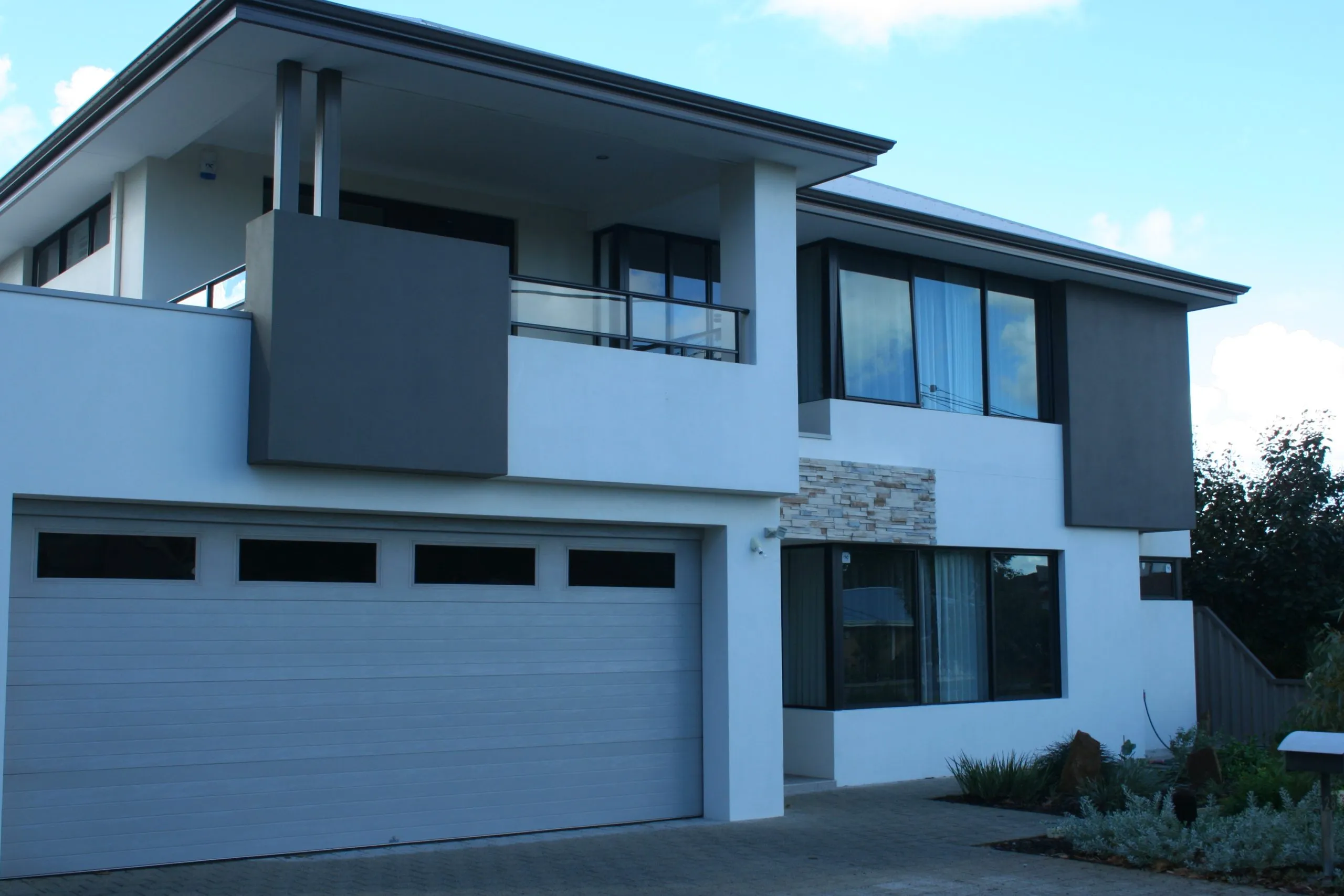
The double glazing Perth range suits the brick veneer homes common across Kewdale, and an on-site assessment identifies the openings with the greatest load.
KEWDALE'S NOISE ENVIRONMENT
Two Noise Systems Converging on the Same Streets
Kewdale faces two noise systems at once. Perth Airport runs about 440 movements a day on Runway 03/21, with Runway 21 southbound taking roughly 60 per cent of departures over Kewdale’s southern boundary, no curfew, and flights from 5 am at one every two to three minutes. The Kewdale Freight Terminal adds low-frequency rail rumble around the clock.
ANEF mapping places Kewdale within noise-affected contours under State Planning Policy 5.1; track movements on WebTrak. No government insulation or buyback program exists for Kewdale homes, so Penot addresses the layered noise through its flight path noise reduction service, assessing each opening on site.
ACOUSTIC GLAZING SOLUTIONS
How Acoustic Double Glazing Addresses Kewdale's Layered Noise
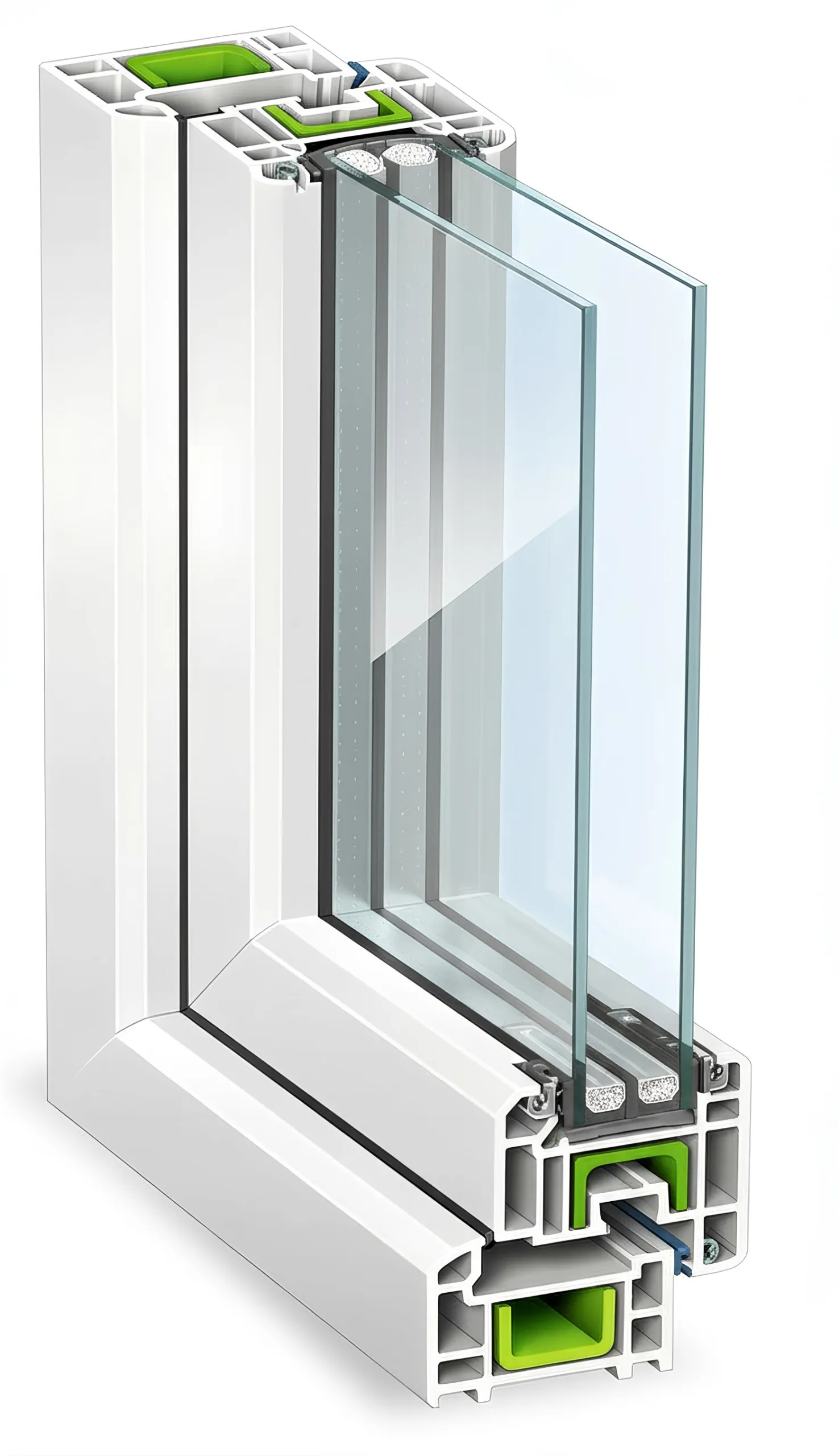
Acoustic double glazing pairs laminated glass panes with a calibrated air gap. The laminate interlayer absorbs vibration across the frequency range, from low-frequency freight rail rumble to jet approach and departure noise, rather than simply transmitting it. A thermally broken frame with quality perimeter seals closes the gaps that are usually the weakest acoustic link. The combination treats the building envelope as a whole rather than targeting a single noise source.
Acoustic performance depends on the complete window specification and installation. Ask for test data for the configuration being quoted. Performance depends on installation quality, seal integrity, and the specification confirmed at the on-site assessment rather than estimated remotely.
Kewdale's brick veneer homes typically have sliding and awning windows, fixed panes in living areas, and aluminium-framed sliding doors. Sliding windows need upgraded seals as much as new glazing. Sliding doors need robust frames to eliminate rattle under freight rail vibration. A site assessment maps every opening to the right specification. The scope per opening is confirmed at quote stage, with timing based on the full project scope and current scheduling.
IS THIS YOUR KEWDALE HOME?
Signs Kewdale Residents Recognise
If two or more of the signs below apply to your Kewdale home, an on-site acoustic assessment will identify which openings let in the most noise and the Rw rating each one needs. Call 1300 121 603 to arrange one.

WHY CHOOSE PENOT
Why Kewdale Homeowners Choose Penot Double Glazing

Penot supplies and installs windows and doors for Perth homes. Our team assesses the openings and confirms the frame, glass, finish and installation scope in a written quote. Visit the Bayswater showroom to discuss your project.
Kewdale's housing stock is predominantly 1960s to 1980s brick with timber and aluminium-framed openings. An on-site assessment identifies which openings carry the most noise, whether bedroom windows facing the airport corridor, the sliding door toward the freight terminal, or street-facing panes catching road noise from Tonkin Hwy or Welshpool Rd.
The Penot team's more than 20 years of glazing experience gives it clear insight into what reduces noise indoors. That experience covers homes near the runway threshold, freight-affected homes, and stacked road and aviation noise. It informs every specification, from glass thickness and laminate type to air gap width and frame sealing.
Every Penot project starts with a free, detailed quote based on a physical site assessment. No phone-only estimates, no surprise costs. The 10-year frame warranty backs every installation. Penot is 100 per cent WA-owned with no subcontractors, so the team that assesses your home carries out the work.
INVESTMENT AND VALUE
What Acoustic Glazing Costs and What It Returns in Kewdale
In Kewdale, acoustic window replacement cost comes down to the number and size of the openings, frame condition and specification, not the size of the house. A bedroom-focused scope costs less than a whole-home approach, and higher Rw ratings use different glass and interlayers, confirmed at the site visit rather than a catalogue. Older Kewdale homes may need worn reveals repaired before a new frame can seal. A window upgrade may affect buyer appeal, but an increase in sale price is not guaranteed. In Kewdale, where aviation and freight noise compound, acoustic glazing tackles both layers and stays visible to future buyers, and the same unit cuts summer cooling loads. The noise reduction benefits of double glazing are well documented, and double glazing across Perth covers the full service area. Penot provides a detailed written quote before you commit.
THE PENOT DIFFERENCE
How Penot Compares to Other Options
Assessment Method | Estimate by Phone, No Site Visit | ✓ Free On-Site Property Assessment |
Installers | Third-Party Installers Used | ✓ All Work Done In-House |
Quote | Unexpected Costs at Invoice | ✓ Detailed Quote Before Work Starts |
Local Knowledge | Based Outside WA | ✓ 100% WA-Owned, Kewdale Knows the Name |
Guarantee | Limited or No Frame Warranty | ✓ 10-Year Frame Warranty, Every Installation |
Penot differs from most window companies on five points: every quote starts with an in-person property inspection rather than a phone estimate, the windows are fitted by Penot’s own employed installers rather than subcontractors, the detailed quote is agreed before you commit rather than revealed after, the business is WA-owned and operated with Kewdale in its core service area, and the 10-year frame warranty is provided in writing.
Ready to Quieten Your Kewdale Home?
Penot Double Glazing provides free, obligation-free assessments for Kewdale homeowners. Call 1300 121 603 today to find out exactly what acoustic glazing would deliver for your home and openings.
Get a Free Quote Now
Fill out the form below and we’ll aim to get back to you within 24 hours.
FAQ
Frequently asked questions.
- How close is Kewdale to the airport, and what do residents actually hear?
Kewdale sits within 1 to 2 km of Perth Airport’s southern runway boundary, making it one of the closest residential suburbs to the active runway system. Residents near Kew St and Tomato Lake are exposed to aircraft noise from the main Runway 03/21 corridor, with the 5 am departure wave delivering movements every two to three minutes. Perth Airport has no noise curfew, so operations continue across all hours. Alongside aircraft noise, Kewdale residents also hear the Kewdale Freight Terminal, which adds low-frequency rail freight rumble from a second direction. This combination of aircraft and freight noise is the defining characteristic of Kewdale’s noise environment, and glazing here should be specified to address both sources.
Acoustic solutions for flight path suburbs are designed to address both types of noise in a single installation.
- My home gets aircraft noise and freight terminal noise. Can acoustic glazing handle both at once?
Yes. Acoustic double glazing addresses aircraft noise and freight terminal noise in a single installation because it treats the building envelope rather than targeting a specific frequency. Jet approach and departure noise peaks in the mid-to-high frequency range, while freight rail generates significant low-frequency energy that is harder to block with standard glass. A properly specified acoustic unit uses laminated glass with an interlayer that attenuates across the full spectrum, combined with a correctly sized air gap that disrupts transmission for both types of noise. The key difference from standard double glazing is the laminate, which damps vibration rather than simply adding mass. A Kewdale home with two active noise sources benefits from a specification that accounts for both, confirmed at the site assessment.
The noise reduction principles behind acoustic glazing apply equally to aviation and rail freight exposure.
- I have to use earplugs to sleep. Will window replacement actually fix that?
Window replacement with acoustic glazing is the most effective permanent fix for noise-driven sleep disruption in a Kewdale home. In a 1960s to 1980s brick home here, the weakest acoustic points are typically the windows and sliding doors, where single-pane glass and worn seals allow high levels of transmission. Replacing those openings with laminated acoustic units in sealed frames significantly reduces the peak noise events that cause waking, particularly the low-to-mid frequency components of aircraft departure and freight rail noise. Acoustic performance depends on the complete window specification and installation. Ask for test data for the configuration being quoted. The morning departure wave still occurs outside; the difference is whether it registers indoors as a disturbance.
- Who actually lives in Kewdale's residential pockets? Is this worth the investment for an owner-occupier?
Kewdale’s owner-occupier pockets, particularly the streets near Tomato Lake and the residential sections close to Welshpool Rd, are home to long-term residents who have chosen to stay despite the noise. The proximity to employment hubs, the community feel around Tomato Lake, and affordable entry prices relative to inner-city suburbs are genuine draws. For those homeowners, acoustic glazing is a quality-of-life investment that pays daily dividends in sleep quality, household comfort, and the ability to use outdoor-facing rooms throughout the day. Research on airport-adjacent properties consistently shows that noise exposure is priced into buyer behaviour, and a home that has been acoustically treated presents differently to one that has not. In Kewdale, where both aviation and freight noise are demonstrable drawbacks for future buyers, treating both sources in one scope makes the investment case clearer.
- Homes in Sydney got government insulation. Why has Perth received nothing?
There is no government insulation or buyback program for existing homeowners in Perth’s flight path suburbs, including Kewdale. Sydney invested over $300 million insulating more than 4,000 homes near its airport; Perth has no equivalent scheme. The only regulatory requirement is that new residential developments above certain ANEF contour levels must be built to acoustic standards; homes already standing, including every 1960s to 1980s brick property in Kewdale, are outside the scope of any government intervention. University researchers, including those from the University of Sydney and UNSW, have publicly criticised this gap. The Aircraft Noise Ombudsman has also investigated Perth-specific complaints. None of that scrutiny has resulted in a funded program. For Kewdale homeowners, the cost of fixing the problem falls entirely on the individual. Acoustic glazing is the practical option available.
- With four major roads surrounding Kewdale, which one adds the most noise indoors?
The answer depends on which side of a Kewdale property faces each road. Tonkin Hwy carries heavy volumes of both passenger and freight vehicles and generates broadband road noise that can penetrate standard residential glazing from street-facing windows. Roe Hwy and Leach Hwy are similarly high-volume arterials affecting properties with western or southern exposures. Welshpool Rd generally carries lower volumes but can carry freight spillover from the terminal precinct during certain periods. For most Kewdale homes, road noise and aircraft noise arrive through different elevations simultaneously: road noise enters through street-facing windows at lower height, while aircraft noise arrives from above. Acoustic glazing reduces transmission through all those openings regardless of source direction. A site assessment identifies which openings carry the most combined load and confirms the specification.
- What actually gets replaced in a 1960s or 1980s brick home during a window replacement job?
In a typical Kewdale brick veneer home from the 1960s to 1980s era, window replacement involves removing the existing frame, sash, glazing bead and seals from the opening, then installing a new frame system with the acoustic glazing unit set into it. The brickwork opening itself is not altered. The new frame is fixed, sealed and rendered to match the existing interior and exterior finish. Where older aluminium frames are in poor condition, the threshold and reveal trim are updated at the same time to achieve a clean seal. Sliding doors follow the same process: the track, frame, panels and seals are replaced as a system. Structural work to the wall opening is not required. The scope per opening is confirmed at the site assessment, where the condition of the existing frame and the type of replacement unit best suited to that opening are both assessed before any pricing is provided.
- What shapes the cost of an acoustic glazing project in Kewdale?
Acoustic performance depends on the glass, frame, seals and installation, as well as other sound paths through the building. Ask for test data for the complete window being quoted. A laboratory Rw rating cannot be subtracted from an outdoor noise reading to predict the sound level in your room.
- Which nearby suburbs does Penot also service for aircraft noise reduction?
Yes. Penot services all neighbouring suburbs in the City of Belmont area, including Cloverdale, Belmont, Welshpool and Queens Park. Each of these suburbs shares exposure to Perth Airport flight paths and, for those closest to the freight precinct, similar freight terminal noise conditions. Assessments are carried out on site, with new frames and glazing supplied and installed by Penot. Call 1300 121 603 to arrange your assessment.