
Double Glazing Queens Park
Updated
Acoustic Double Glazing for Queens Park
Queens Park faces aircraft noise from both Runway 03 and Runway 21, 8 km from the threshold with no quiet configuration, plus rail events every 7.5 minutes on the Armadale line. Acoustic performance depends on the complete window specification and installation. Ask for test data for the configuration being quoted.

QUEENS PARK DOUBLE GLAZING
Acoustic Double Glazing for Queens Park Homes
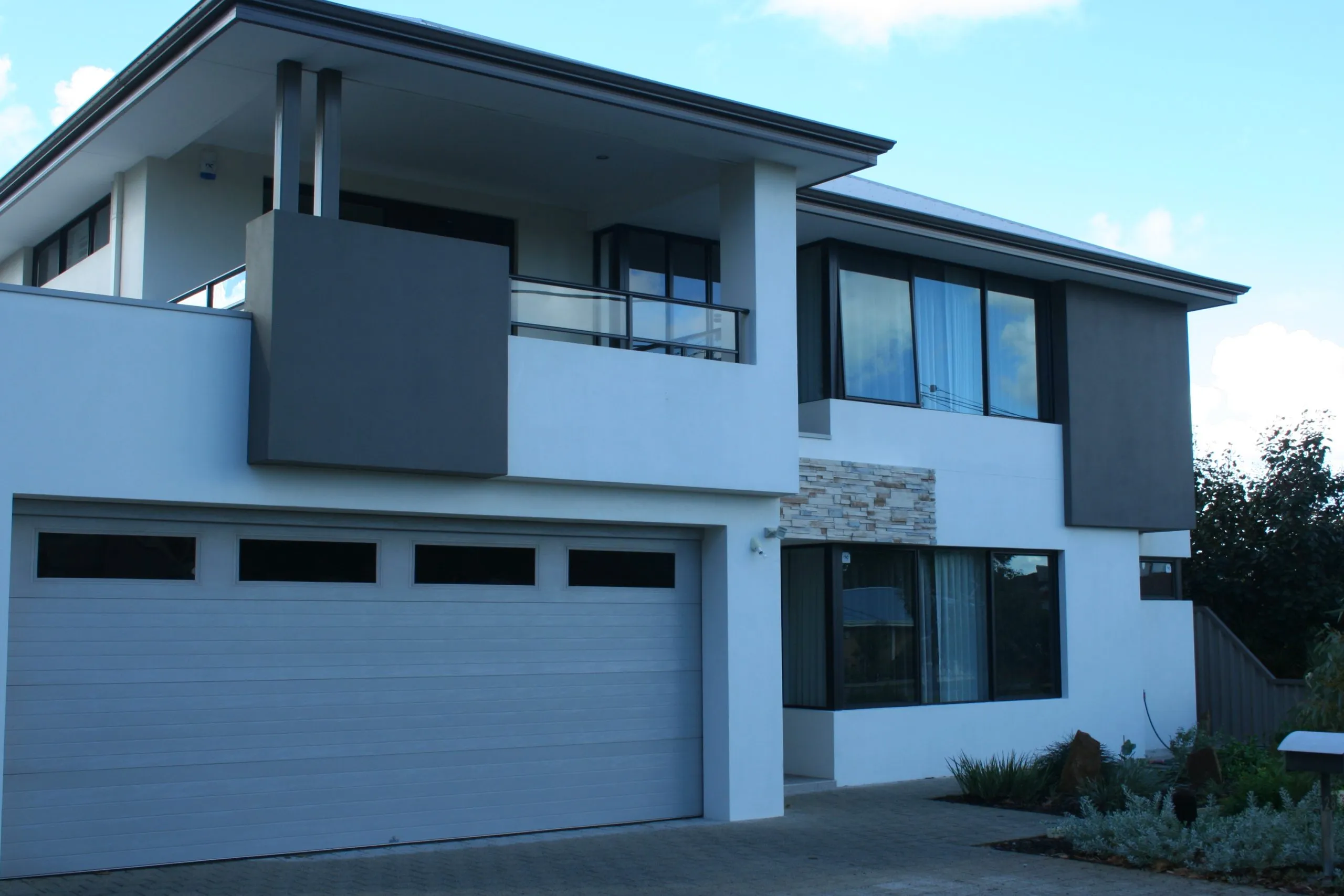
Acoustic performance depends on the complete window specification and installation. Ask for test data for the configuration being quoted. Most Queens Park owner-occupiers deal with a noise environment no original design anticipated. Penot Double Glazing’s double glazing Perth range suits the original cottage stock and infill townhouses on Welshpool Road. The median price reached $698,000 in April 2026, a 34.2 per cent annual rise. Acoustic glazing removes the noise factor a buyer notices on a Saturday morning viewing.
FLIGHT PATH EXPOSURE IN QUEENS PARK
Two Runway Configurations, One Quiet-Free Suburb
Queens Park has no quiet runway configuration. North Flow arrivals on Runway 03 descend roughly 8 km from the threshold; South Flow Runway 21 departures climb overhead. Queens Park sits under both.
For flight noise data, see Airservices Australia’s aircraft noise guidance. On Sevenoaks and Hamilton Streets, the Armadale rail line adds events every 7.5 minutes. Learn more about flight path noise reduction across Perth.
Queens Park falls outside any published new-runway impact band; the parallel runway 03R/21L flight paths remain unreleased. The existing runway configuration is the planning basis for Queens Park homeowners. Check via the Perth Airport aircraft noise portal.
ACOUSTIC GLAZING SOLUTIONS
How Window Replacement Addresses Aircraft and Rail Noise
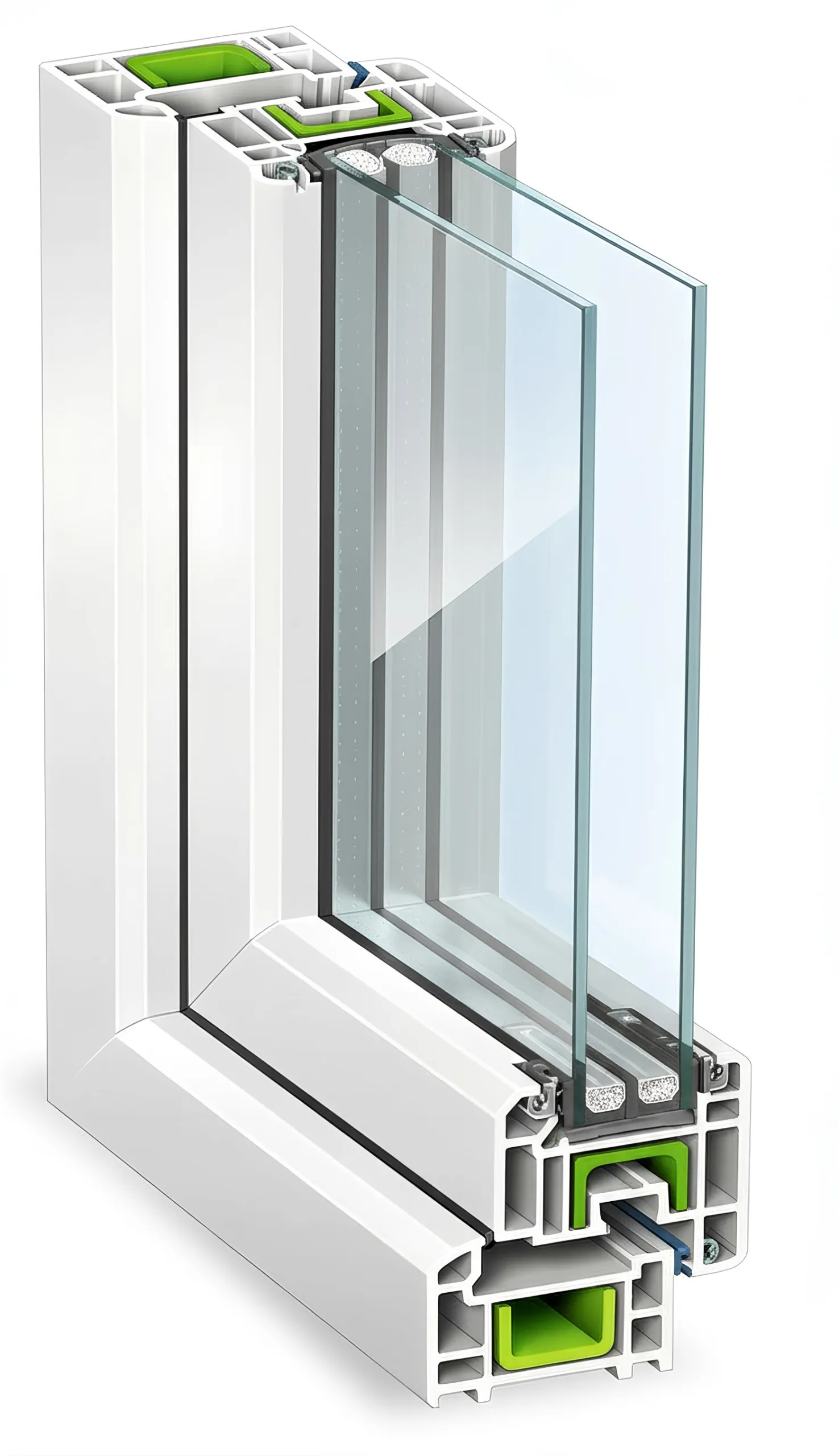
Acoustic double glazing places a calibrated air or argon cavity between two panes, with at least one laminated acoustic interlayer that absorbs vibration instead of transmitting it. Acoustic performance depends on the complete window specification and installation. Ask for test data for the configuration being quoted. The laminated layer also targets the high-frequency whine of jet approaches and the lower-frequency rumble of departures from both runway configurations.
Acoustic performance depends on the complete window specification and installation. Ask for test data for the configuration being quoted.
Thermally broken aluminium frames prevent sound conducting through the frame edge, closing the perimeter gap that standard frames leave open. For the casement and double-hung configurations typical in Queens Park's original State Housing Commission cottages, multi-point locking ensures an airtight close on every cycle. The same frame technology suits the sliding and stacking configurations in newer Welshpool Road townhouses. Configuration is confirmed at quote stage.
IS THIS YOUR NOISE PROBLEM?
Signs Queens Park Homeowners Recognise
If two or more of the signs below apply to your Queens Park home, an on-site acoustic assessment will identify which openings let in the most noise and the Rw rating each one needs. Call 1300 121 603 to arrange one.

WHY CHOOSE PENOT
Why Queens Park Homeowners Choose Penot Double Glazing

Penot supplies and installs windows and doors for Perth homes. Our team assesses the openings and confirms the frame, glass, finish and installation scope in a written quote. Visit the Bayswater showroom to discuss your project.
Queens Park properties range from State Housing Commission cottages on Renou Street to infill townhouses on Welshpool Road; no two assessments look the same. Penot's on-site process measures each opening, identifies frame and sill conditions, and selects the glass build-up for each room's exposure. Your quote reflects your specific home.
Queens Park presents a compound acoustic challenge not every glazing company is equipped to address. Our team has worked across Perth suburbs where aircraft, rail and road noise overlap, building practical knowledge of which specifications perform in layered-noise environments. That experience translates to better outcomes on Sevenoaks Street.
Penot provides a detailed written quote after the site assessment, with no hidden charges. Every installation is backed by a 10-year warranty on frames. Lead times and scheduling are confirmed at quote stage. Call 1300 121 603 to arrange your assessment.
INVESTMENT AND VALUE
What Shapes the Cost and Why It Adds Up
The cost of acoustic window replacement in Queens Park is driven by the number and size of openings, frame and sill condition, the glass specification required, and whether the job covers original cottage windows or newer infill configurations. There are no fixed per-window prices. A three-bedroom cottage typically has between eight and fourteen openings of varying sizes; cost scales directly with total glass area and the condition of the frames. Original timber reveals that have swollen or moved out of square need preparation work before a new frame fits accurately.
Acoustic improvements protect resale appeal in flight-path suburbs. The median house price in Queens Park reached $698,000 in April 2026, up 34.2 per cent in a year. The same insulating cavity that reduces noise also cuts summer heat gain and winter heat loss, so the investment earns on two fronts year-round.
Penot Double Glazing covers double glazing across Perth and provides a detailed written quote after the on-site assessment, with the full specification confirmed before any agreement. Additional performance detail is at Penot’s noise reduction guide.
THE PENOT DIFFERENCE
What Sets Penot Apart From Other Glazing Companies
Assessment Method | Quote Over the Phone, No Site Visit | ✓ In-Person Property Assessment |
Installers | Subcontracted Installation Teams | ✓ Direct Penot Installers, No Third Parties |
Quote | Surprise Charges at Invoice | ✓ Detailed Written Quote, No Surprises |
Local Knowledge | Company Headquartered Interstate | ✓ 100% Western Australian, Installed in Queens Park Homes |
Guarantee | Warranty Under 5 Years or Not Offered | ✓ 10-Year Frame Warranty on Every Job |
Penot differs from most window companies on five points: every quote starts with an in-person property inspection rather than a phone estimate, the windows are fitted by Penot’s own employed installers rather than subcontractors, the detailed quote is agreed before you commit rather than revealed after, the business is WA-owned and operated with Queens Park in its core service area, and the 10-year frame warranty is provided in writing.
Ready to Quiet a Home That Has Never Been Quiet?
Queens Park homes were never designed for the arrivals, departures and rail noise they absorb. Penot Double Glazing provides a full on-site assessment and a specification matched to your home. Call 1300 121 603 or book a free quote online.
Get a Free Quote Now
Fill out the form below and we’ll aim to get back to you within 24 hours.
FAQ
Frequently asked questions.
- Does Queens Park get aircraft noise from both arrivals and departures?
Yes. Under North Flow operations, the predominant wind pattern at Perth Airport, arriving aircraft on the ILS approach to Runway 03 track directly over Queens Park on final descent roughly 8 km from the runway threshold. Under South Flow operations, departing aircraft on Runway 21 accelerate overhead over the same streets. This means there is no runway configuration that leaves Queens Park outside the flight path.
The frequency of events reflects Perth Airport’s overall traffic. Residents on Sevenoaks Street, Hamilton Street and George Street experience both arrival and departure patterns across the same day depending on wind direction, with the sharpest peaks in the early morning departure wave and the late-afternoon arrival peak.
- Is Queens Park listed in any published new-runway impact band?
No. Queens Park does not appear in either of the two published new-runway impact categories: suburbs projected to receive up to 200 extra daily noise events, and suburbs projected to receive increased noise events more broadly. Adjacent areas appear in those lists, but Queens Park is not named in any published source reviewed for this page.
The final flight paths for the parallel runway 03R/21L have not been released by Airservices Australia. Perth Airport’s community portal states that for most residents noise will reduce when movements are spread across two parallel runways, but this has not been stated specifically for Queens Park. The current dual-configuration exposure from the existing runways is the relevant planning basis for homeowners here.
- How does the Armadale rail line add to the noise problem in Queens Park?
The Armadale and Thornlie-Cockburn rail lines run every 7.5 minutes through Queens Park, so rail events fall between most aircraft events rather than in the gaps, eliminating the stretches of quiet that residents in other suburbs get between flights. Queens Park Station on Sevenoaks Street was rebuilt as an elevated station under the Metronet Victoria Park-Canning Level Crossing Removal Project.
Rail noise has a different acoustic character to aircraft noise: lower frequency, closer to a structural vibration, transmitted partly through the ground and building frame rather than purely through windows. A full acoustic upgrade addresses both sources by combining laminated glass, which targets mid and high frequencies from aircraft, with an appropriately dimensioned cavity and frame seal that reduces transmission across the board. Treating both in a single window replacement is more cost-effective than addressing them separately.
- What is the acoustic upgrade path for a 1950s State Housing Commission timber cottage?
Queens Park’s original State Housing Commission homes were built to a functional 1950s standard: timber frames, single glazing, and openings sized for ventilation rather than acoustic performance. Upgrading starts with a site assessment to measure each opening, check sill and frame conditions, and identify where air gaps let noise in beyond the glass itself.
The replacement install typically removes the original aluminium or timber-framed single-pane units and fits thermally broken aluminium frames with acoustic laminated double glazing sized to the existing rough opening. This preserves the cottage character without requiring structural changes. Double-hung configurations that match the original look are available. The noise reduction detail at Penot’s site explains the glass specifications involved. Penot Double Glazing has experience with this housing type across the southern inner ring.
- How do shift workers and young families sleep through layered noise in Queens Park?
Acoustic performance depends on the glass, frame, seals and installation, as well as other sound paths through the building. Ask for test data for the complete window being quoted. A laboratory Rw rating cannot be subtracted from an outdoor noise reading to predict the sound level in your room.
- What does Rw 37 to Rw 42 glazing actually change inside a Queens Park home?
Acoustic performance depends on the glass, frame, seals and installation, as well as other sound paths through the building. Ask for test data for the complete window being quoted. A laboratory Rw rating cannot be subtracted from an outdoor noise reading to predict the sound level in your room.
- What drives the cost for window replacement in a timber cottage on a typical Queens Park lot?
Cost is shaped by four main factors for Queens Park’s original cottage stock. First, window count and opening sizes: a three-bedroom cottage typically has between eight and fourteen openings of varying sizes, and cost scales directly with total glass area. Second, frame and sill condition: original timber reveals that have swollen, cracked or moved out of square need preparation work before a new frame fits accurately. Third, glass specification: the Rw rating chosen for each room affects the glass build-up and unit cost. Fourth, configuration: double-hung units that replicate the original look involve more moving parts than fixed or casement alternatives.
There are no fixed per-window prices because the combination of these factors is unique to each property. Penot’s on-site assessment turns those variables into an accurate written quote. Lead times are confirmed at quote stage rather than estimated up front, since they depend on the specification finalised during assessment.
- Do infill townhouses in Queens Park need a different approach to acoustic glazing than original cottages?
Acoustic performance depends on the glass, frame, seals and installation, as well as other sound paths through the building. Ask for test data for the complete window being quoted. A laboratory Rw rating cannot be subtracted from an outdoor noise reading to predict the sound level in your room.
- Which suburbs near Queens Park also benefit from acoustic double glazing?
Cannington, East Cannington, Welshpool and Wilson are the immediate neighbours to Queens Park in the City of Canning, and residents there share similar proximity to the flight path and the arterial road network. Penot covers the full southern inner ring and carries out assessments on site, supplied and installed by Penot. Call 1300 121 603 to arrange your assessment.