
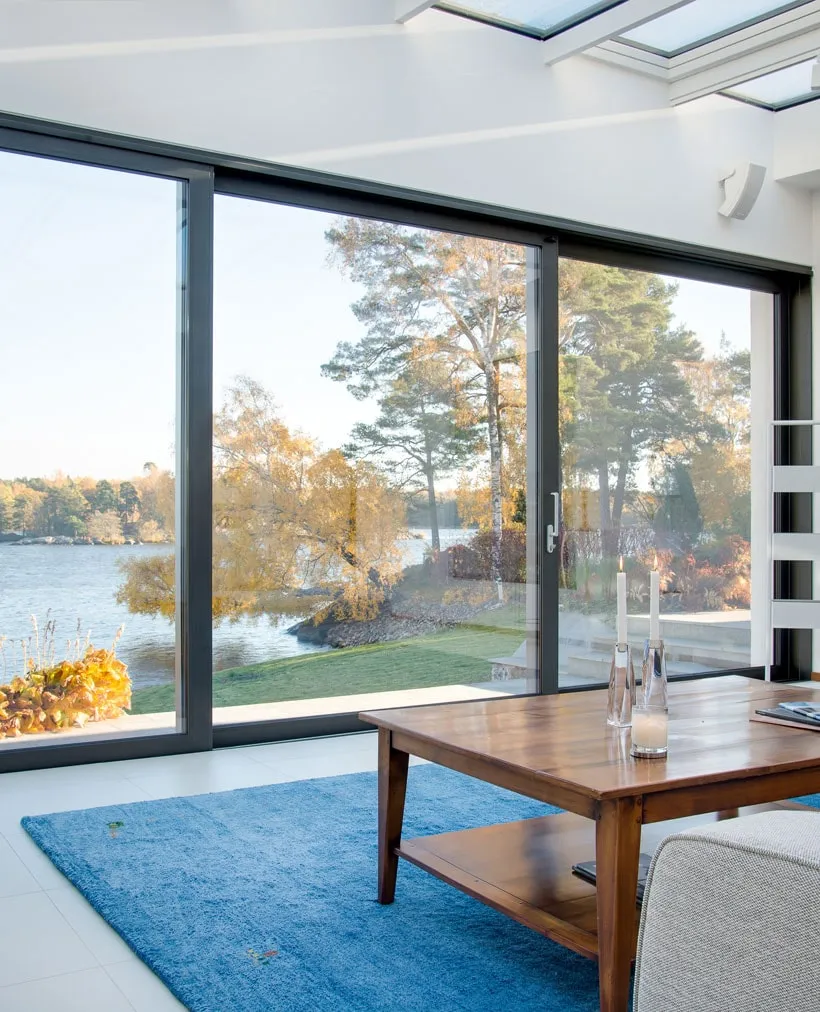
Vacuum Insulated Glass Perth
Updated
Vacuum Insulated Glass for Perth Homes: Slim Profile, New Frames for Heritage Homes
Vacuum insulated glass is Penot’s highest-performing glass, reaching a centre-of-glass U-value of about 0.4 W/m2K in a unit as slim as 6 mm. At 6 to 8 mm thick it suits new slim frames, with strong thermal and acoustic performance from its evacuated cavity. Penot supplies and installs these units, always in new frames. Call 1300 121 603 for a quote.

What Vacuum Insulated Glass Is and How Vacuum Glazing Works
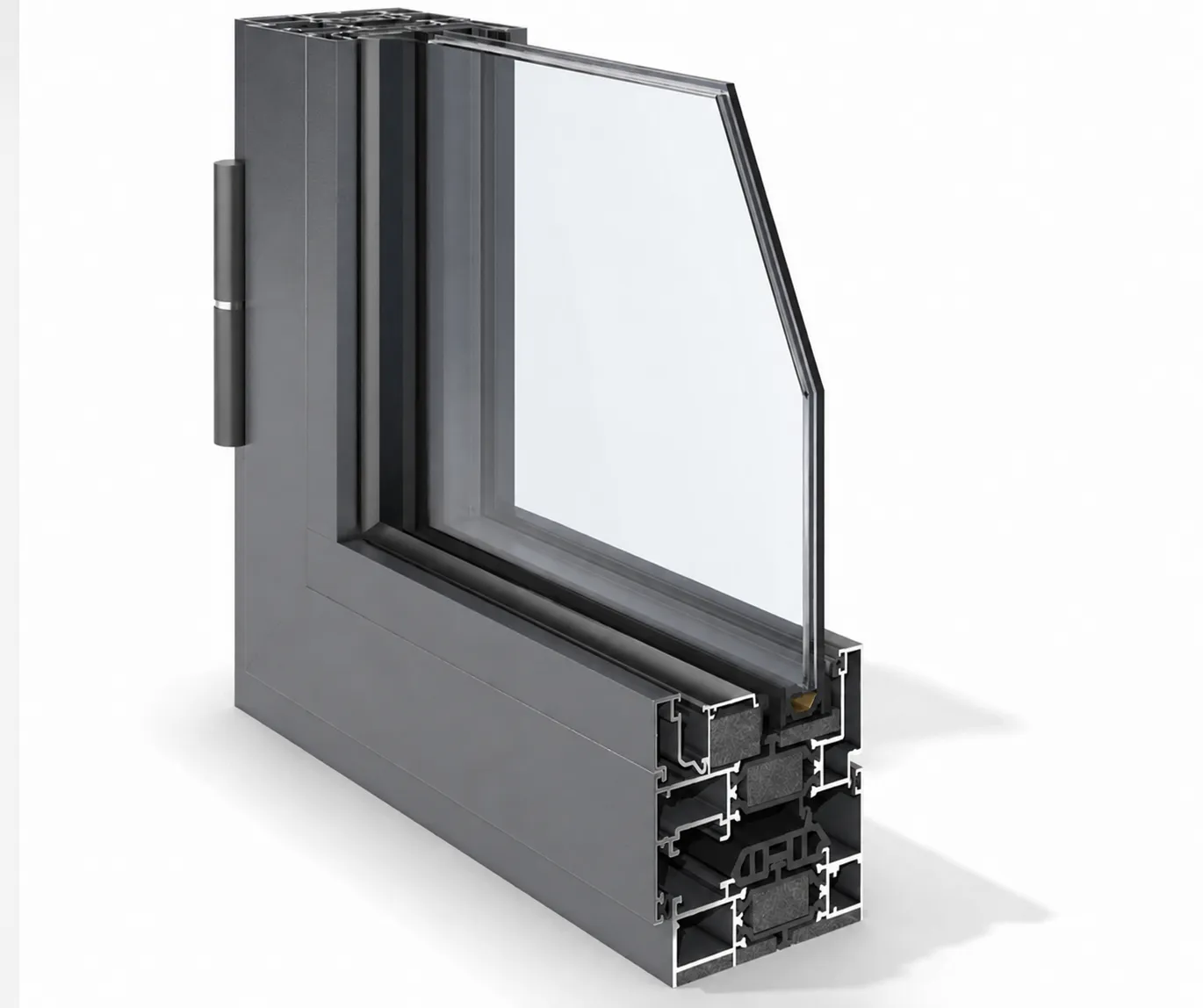
Vacuum insulated glass achieves near-zero heat transfer across the cavity because the gap between the two panes is evacuated to roughly one ten-thousandth of atmospheric pressure, which eliminates conduction and convection almost entirely. Also called vacuum glass, vacuum glazing, or vacuum double glazing, it uses a gap of approximately 0.15 to 0.3 mm held open by an array of micro support pillars. With no air in the gap, the only residual heat loss is through radiation, controlled by low-emissivity coatings, and through the pillars themselves.
An internal getter absorbs stray gas molecules over time. The edge seal is a rigid glass-metal composite fused at high temperature, not the polymer seal that degrades over 15 to 25 years in a standard argon-filled unit. For Perth homeowners researching double glazing Perth options, vacuum glass is the premium tier: a sealed-for-life unit that suits both modern and heritage homes.

Thermal Performance: Vacuum Insulated Glass U-Values and Energy Efficiency
How Vacuum Glass Compares to Double and Triple Glazing
Vacuum insulated glass reaches a centre-of-glass U-value of approximately 0.4 W/m2K, according to manufacturer technical data. Triple glazing reaches approximately 0.7 W/m2K and high-performing double glazing approximately 1.2 W/m2K. All three are among the highest-performing glazing options available to Perth homeowners. Whole-window U-values are higher once the frame and edge effects are included; Penot can provide these at quote stage.
Western Australia adopted the NCC 2022 7-star NatHERS requirement from 1 May 2025. According to the Australian Government’s YourHome guide, high-performance glazing is among the most effective energy upgrades available. Penot can compare vacuum glazing against triple glazing at quote stage. Low-emissivity coatings tune solar heat gain for Perth’s Climate Zone 5.
Ultra-Slim Profile: Vacuum Insulated Glass Fits Where Other Glass Cannot
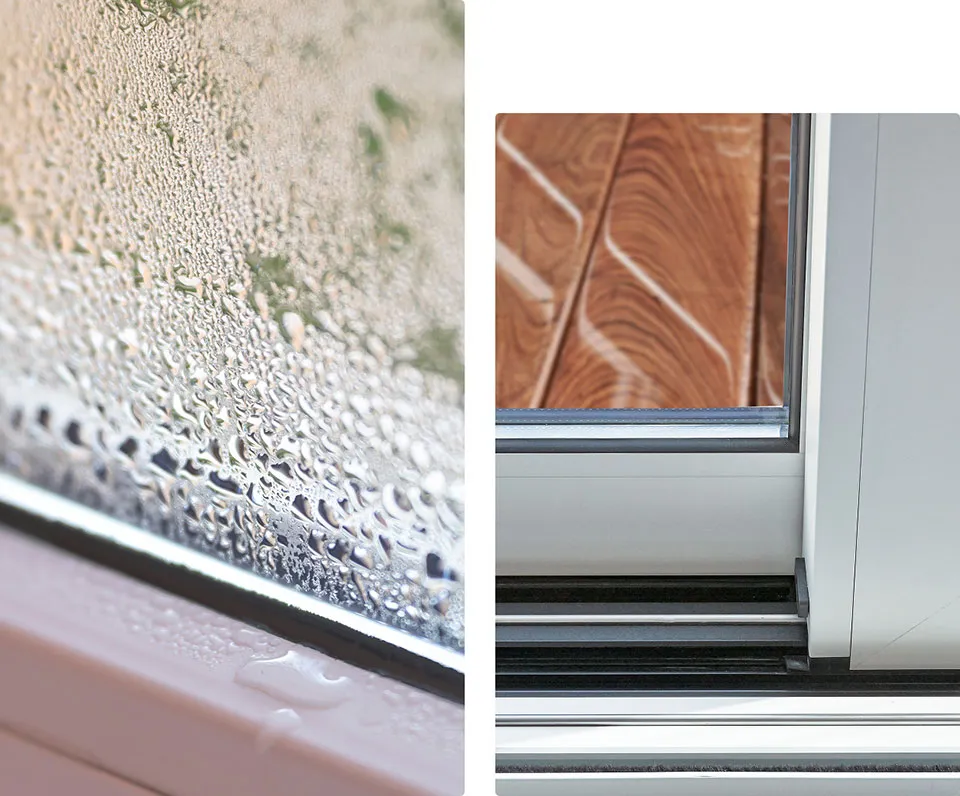
A 6 to 8 mm vacuum insulated glass unit is supplied in a new slim frame, so Perth homeowners get the thinnest available profile in the opening. Its 6 to 10 mm profile is what makes this possible: double glazing typically needs a rebate depth of around 25 mm and triple glazing 36 to 40 mm, which calls for deeper frames, while vacuum glass at 6 to 10 mm total thickness suits new slim frames that match the proportions of many heritage and older homes.
Total unit thickness runs 6 to 10 mm against 24 to 28 mm for double glazing and 36 to 40 mm for triple glazing. At approximately 15 kg per square metre, vacuum glass also reduces structural load for balcony doors, stacker systems, and large openings where a slimmer unit is preferable.
Acoustic Performance: Quieter Rooms with Vacuum Insulated Glass
Strong Acoustic Performance in a Slim Vacuum Glass Unit
Ask for acoustic test data for the specific vacuum-glass window being quoted. Performance depends on the whole assembly, including glass, frame, seals and installation. A laboratory rating does not predict the final sound level in your room, and sound can also enter through walls, vents, roofs and other openings.
Tell our team which noise source matters and which rooms are affected so we can discuss the available specifications.
Condensation Resistance and the Long Life of Vacuum Insulated Glass
What to Expect from a Sealed-for-Life Vacuum Glass Unit
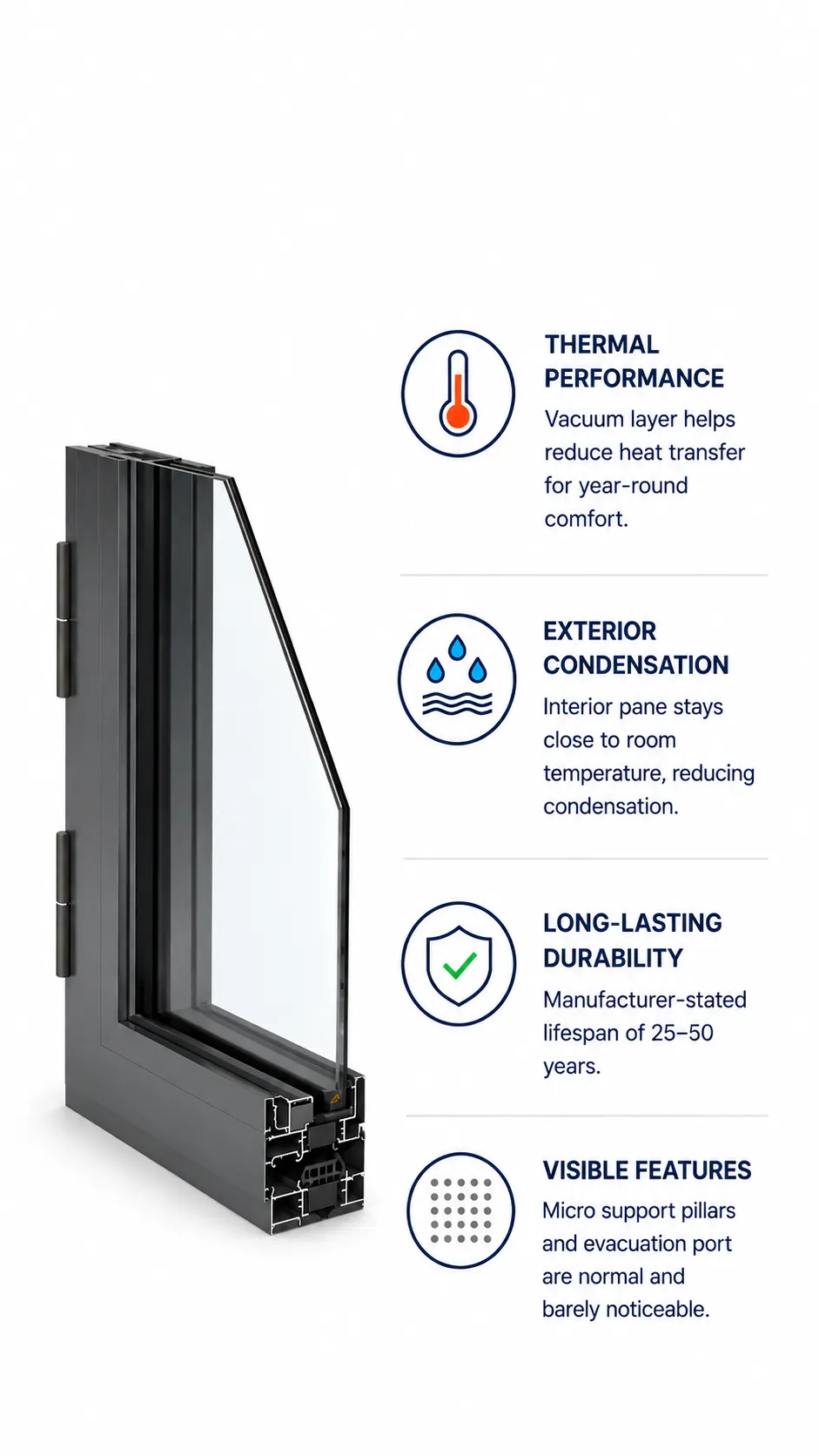
Internal condensation does not form on vacuum insulated glass under normal Perth conditions. The vacuum layer keeps the interior pane close to room temperature, so it stays well above the dew point of indoor air. Manufacturer data shows the interior surface dew point is approximately minus 36 degrees C at 18 degrees C indoors and 60 per cent humidity, against minus 8 degrees C for a conventional unit.
Exterior condensation may appear on cold mornings and clears quickly as the sun warms the pane. This is a sign the insulation is working correctly, not a fault.
Manufacturer-stated lifespans for vacuum glass range from 25 to 50 years; argon-filled units are typically stated at 15 to 25 years. Penot Double Glazing backs its aluminium frames with a 10-year frame warranty. Micro support pillars may be visible as a faint grid, and the small evacuation port is occasionally noticeable; both are normal features of the product.
Vacuum Glass in Penot Thermally Broken Aluminium Frames
Vacuum double glazed windows and doors for Perth homes
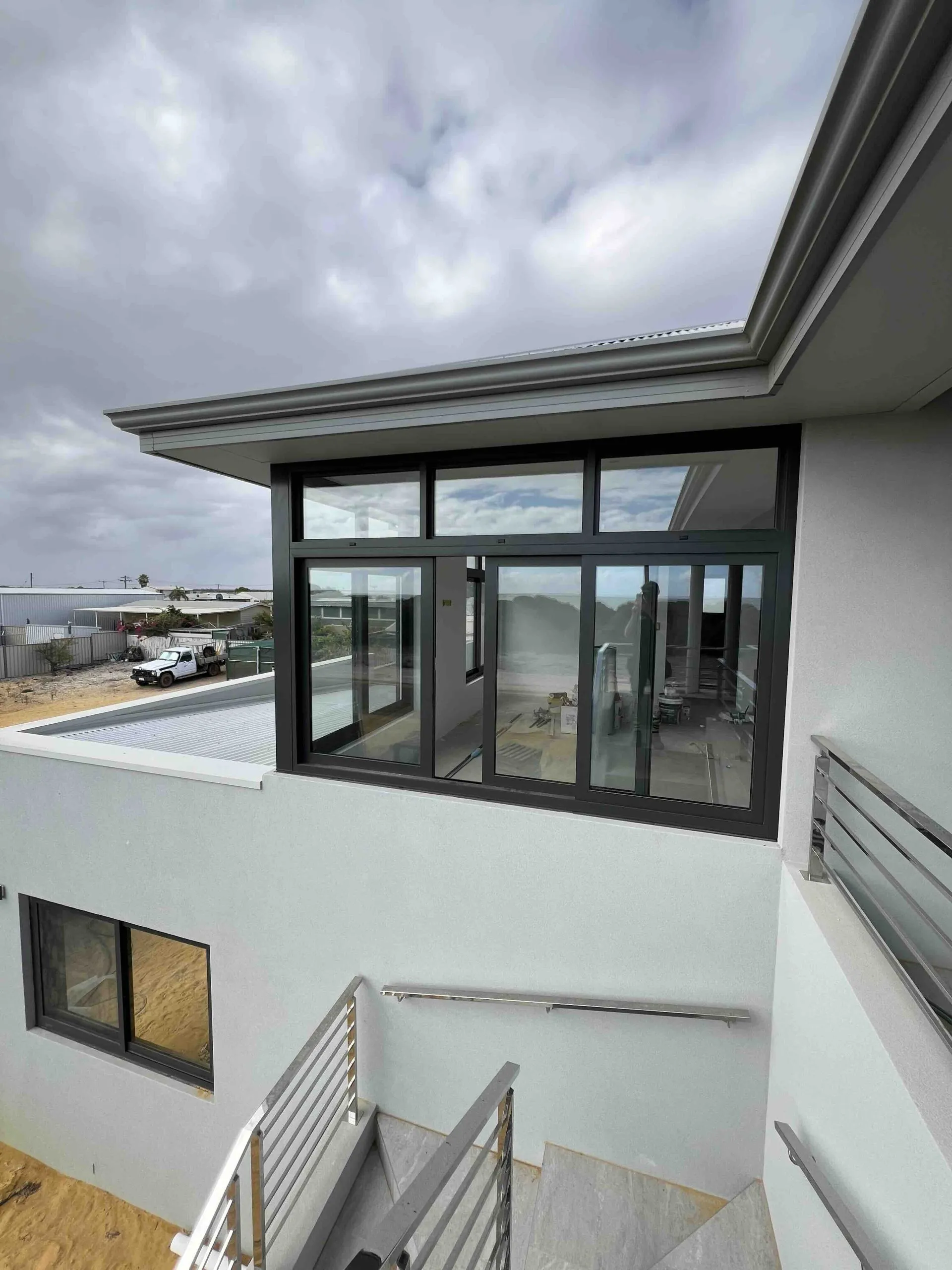
Penot supplies and installs windows and doors for Perth homes. Our team assesses the openings and confirms the frame, glass, finish and installation scope in a written quote. Visit the Bayswater showroom to discuss your project.
Vacuum Insulated Glass Features at a Glance



The evacuated cavity eliminates conduction and convection across the gap, the two biggest heat transfer paths in conventional glazing. Two panes of glass enclose a cavity evacuated to roughly one ten-thousandth of atmospheric pressure. Micro support pillars hold the gap open, a glass-metal edge seal fused at high temperature closes the unit, and an internal getter preserves the vacuum for the life of the glass.
Centre-of-glass U-values for vacuum insulated glass reach approximately 0.4 W/m2K, against 0.7 W/m2K for triple glazing and 1.2 W/m2K for high-performing double glazing. Low-emissivity coatings tune solar heat gain, which matters most on Perth's west-facing summer exposures.
At 6 to 10 mm and approximately 15 kg per square metre, vacuum glass suits slimmer frame profiles than thicker double or triple glazed units at 24 to 40 mm. Vacuum glass always goes into new frames, and its slim profile lets those new frames suit heritage homes.
Compare documented test results for the proposed window configuration. The glass, frame, seals and surrounding building all affect the result.

FAQ
Frequently asked questions.
- What is the difference between vacuum insulated glass and standard double glazing?
Acoustic performance depends on the glass, frame, seals and installation, as well as other sound paths through the building. Ask for test data for the complete window being quoted. A laboratory Rw rating cannot be subtracted from an outdoor noise reading to predict the sound level in your room.
- How does vacuum insulated glass compare to triple glazing?
Acoustic performance depends on the glass, frame, seals and installation, as well as other sound paths through the building. Ask for test data for the complete window being quoted. A laboratory Rw rating cannot be subtracted from an outdoor noise reading to predict the sound level in your room.
- How much does vacuum insulated glass cost?
The price of vacuum insulated glass in Perth depends on the number and size of openings, the glass configuration (including any low-emissivity or solar-control coatings), the frame system, and site factors such as wind load or upper-floor access. It carries a meaningful price premium over both double and triple glazing, reflecting the specialist manufacturing and longer supply chain. Because there are no publicly listed installed prices that reliably reflect the Perth market, the most useful thing Penot can do is prepare a detailed quote for your specific home rather than a generic range. Call 1300 121 603 or use the free quote form to get your price.
- How long does vacuum glass last?
Manufacturer-stated lifespans for vacuum glass range from 25 to 50 years. Standard argon-filled double-glazed units are typically stated at 15 to 25 years. The difference comes from the edge seal: vacuum glass uses a rigid glass-metal composite fused at high temperature rather than the polymer seals used in conventional units. Polymer seals can degrade over time and let gas escape, reducing thermal performance, while the rigid seal does not degrade in the same way. An internal getter also absorbs any gas that outgasses from the glass over time, maintaining the vacuum. Penot’s aluminium frames carry a 10-year frame warranty; for glass warranty terms specific to the product, ask at quote stage.
- Do you have to replace the whole window to get vacuum glass?
Yes. Penot supplies vacuum glass as a complete window or door unit, replacing the full assembly including frame and glass. This ensures the thermally broken aluminium frame is correctly matched to the glass, that the installation meets current NCC standards, and that the 10-year frame warranty applies to the new frame. Vacuum glass always goes into new frames, and Penot’s team can suggest slim frames that suit heritage homes. Call 1300 121 603 to discuss your openings.
- Will vacuum glass stop condensation on my windows?
Yes, internal condensation does not form on vacuum insulated glass under normal Perth conditions. The vacuum layer keeps the interior pane surface close to room temperature, so it stays well above the dew point of indoor air. Manufacturer data shows the interior surface dew point for a vacuum glass unit is approximately minus 36 degrees C at 18 degrees C indoors and 60 per cent humidity, which makes internal condensation effectively impossible in this climate.
You may occasionally see condensation on the exterior face of the glass on cold autumn or spring mornings. This happens because the glass insulates so well that the outside surface stays cool and drops below the dew point of outdoor air. It clears quickly as the sun warms the pane and is a sign the glazing is performing correctly, not a fault.
- Is vacuum insulated glass effective for noise reduction in Perth?
Acoustic performance depends on the glass, frame, seals and installation, as well as other sound paths through the building. Ask for test data for the complete window being quoted. A laboratory Rw rating cannot be subtracted from an outdoor noise reading to predict the sound level in your room.
- What are the small dots visible in vacuum glass?
The faint dot grid in vacuum glass is the array of micro support pillars inside the evacuated cavity, and they are a normal part of how the product works, not a manufacturing defect. These tiny spacers hold the 0.15 to 0.3 mm gap between the two panes open against atmospheric pressure, which would otherwise push them together. Under normal living conditions, viewed from sitting or standing distance, the pillars are not noticeable to most people. In certain lighting angles or on close inspection they can be seen as a very faint dot pattern.
You may also notice a small sealed disc near one corner of the pane. This is the evacuation port used during manufacture to draw out the air. It does not affect performance and is usually discreet, but it is visible. Both features are normal characteristics of vacuum glass, not manufacturing defects.