
Double Glazing Hazelmere
Updated
Acoustic Double Glazing for Hazelmere by Perth Airport
Hazelmere’s western residential pocket sits against the Perth Airport fence, putting aircraft noise from Runway 24 arrivals and Runway 03 departures through the EMU 5 corridor directly over local homes. Acoustic performance depends on the complete window specification and installation. Ask for test data for the configuration being quoted.

HAZELMERE NOISE REDUCTION
Acoustic Double Glazing for a Suburb That Sits on the Airport Boundary
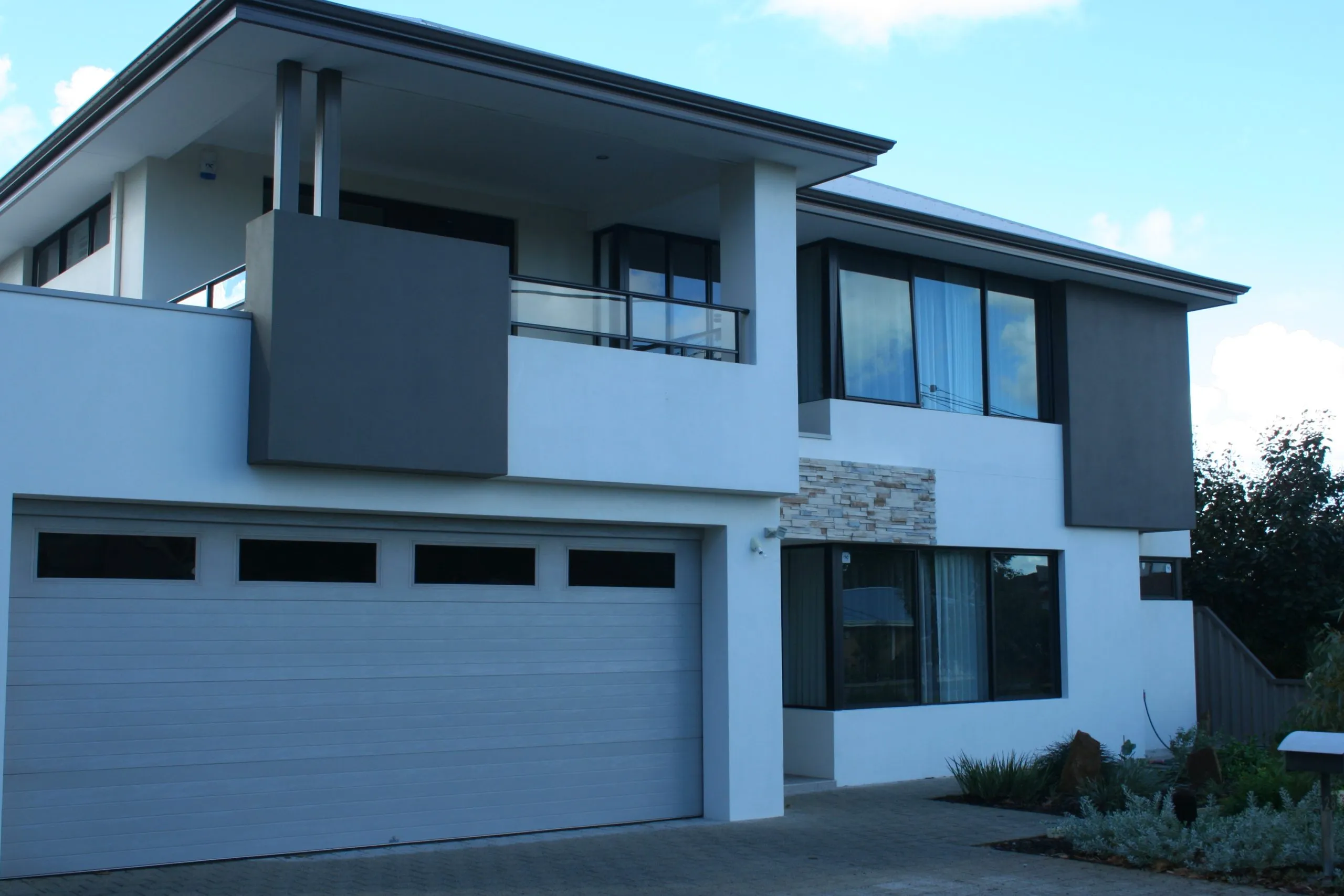
Hazelmere’s western residential pocket runs along the Perth Airport fence in the City of Swan. Robertson Street, West Parade, and Stirling Crescent are the streets closest to the perimeter.
Separate houses make up 88.8 per cent of occupied dwellings, the owner-occupier rate is 77 per cent, and the median house price is above $1 million. Around 38 per cent of homes have four or more bedrooms, with the airport fence as the back boundary.
Double glazed windows Perth specialists at Penot Double Glazing offer a no-obligation on-site assessment. Penot serves homes across Perth with lead times confirmed at quote.
THE HAZELMERE NOISE STORY
Three Noise Sources, One Property: Why Hazelmere Is Different
Hazelmere faces aircraft noise on two axes. Runway 24 arrivals descend to around 2,500 ft over Hazelmere, as documented by Airservices Australia’s Runway 24 documentation. Runway 03 departures run through the EMU 5 corridor, placing Hazelmere between the monitor and the airport boundary. EMU 5 records Perth’s highest aircraft noise readings alongside EMU 2.
The Great Eastern Highway Bypass carries more than 60,000 vehicles a day and a freight rail line runs the corridor. Perth Airport has no curfew; departures begin at 5:00 AM. The Runway 03 departure wave between 5:00 AM and 7:30 AM is consistently the loudest daily period for the western residential pocket.
The Perth Airport noise management page covers the operational framework. Penot’s Perth flight path noise reduction guide sets out how acoustic glazing is specified for this corridor.
ACOUSTIC GLAZING EXPLAINED
How Acoustic Double Glazing Works for Hazelmere Homes
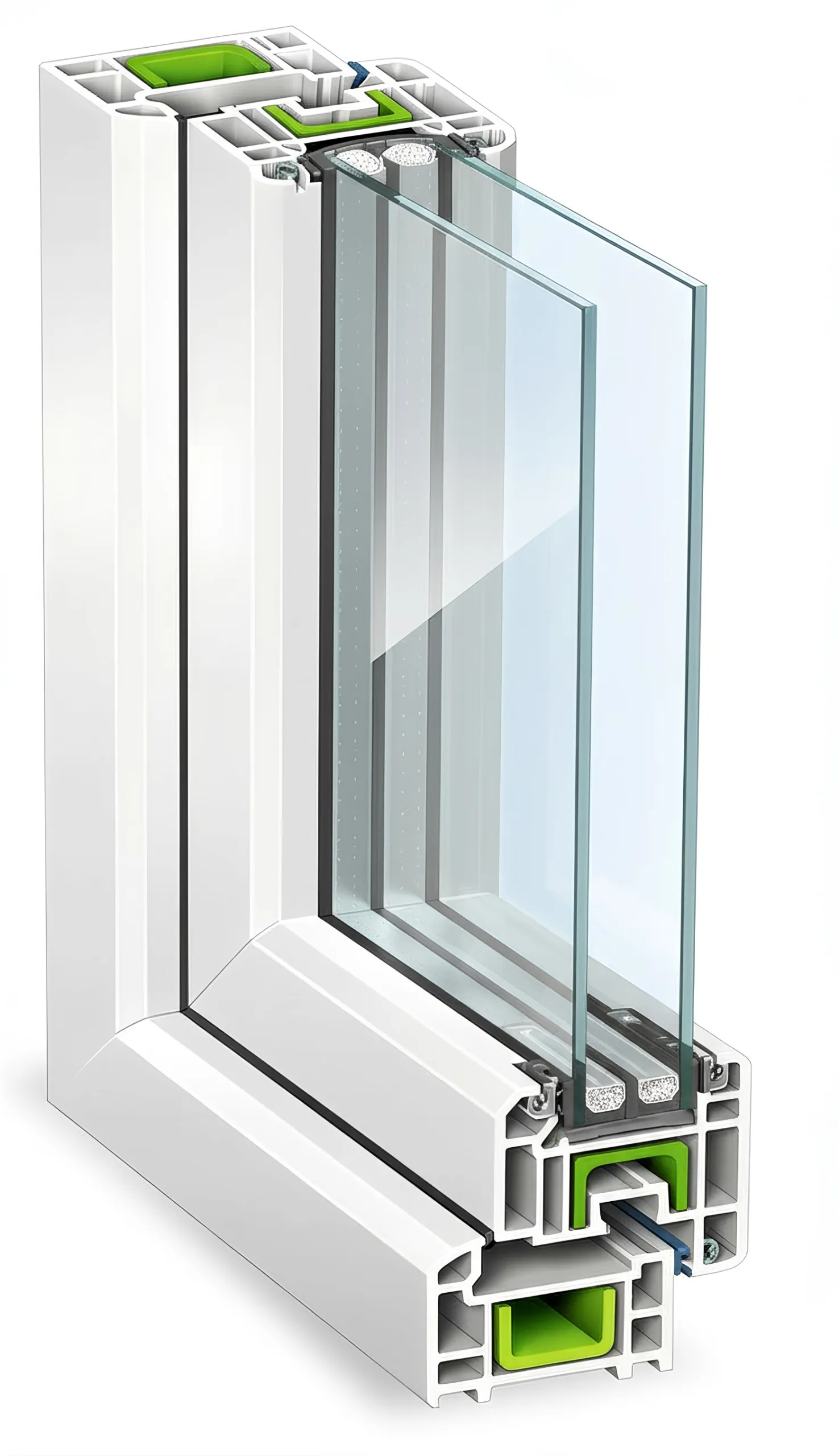
Acoustic double glazing pairs two panes with a calibrated air gap and a polyvinyl butyral interlayer that absorbs vibration before it passes through. The panes use different thicknesses, which disrupts the resonance frequencies that let noise pass through matched glass. Acoustic performance depends on the complete window specification and installation. Ask for test data for the configuration being quoted.
Acoustic performance depends on the complete window specification and installation. Ask for test data for the configuration being quoted. The gap between a standard single-pane window and a well-specified acoustic unit is the practical difference between being woken by the 5am departure wave and sleeping through it. The exact specification is confirmed at the on-site assessment, not estimated over the phone.
Acoustic performance depends on the whole assembly. Thermally broken aluminium frames with multi-point seals close the air paths that let sound bypass the glass. Casement windows seal more completely than sliders. On a Hazelmere property, the bypass-facing elevation typically carries a different noise load from the quieter northern aspects, so Penot assesses each elevation separately and specifies accordingly. Acoustic performance depends on the complete window specification and installation. Ask for test data for the configuration being quoted.
DOES AIRCRAFT NOISE DESCRIBE YOUR HOME?
Signs That Hazelmere Is Asking Too Much of Your Windows
If two or more of the signs below apply to your Hazelmere home, an on-site acoustic assessment will identify which openings let in the most noise and the Rw rating each one needs. Call 1300 121 603 to arrange one.

WHY PENOT
What Penot Brings to a Hazelmere Assessment

Penot supplies and installs windows and doors for Perth homes. Our team assesses the openings and confirms the frame, glass, finish and installation scope in a written quote. Visit the Bayswater showroom to discuss your project.
Bypass-facing elevations carry different noise loads from those set back from the road. Penot sends an assessor before quoting, measuring opening sizes and frame condition across every elevation. A phone quote cannot determine which aspects face the bypass and which face the rail corridor. An on-site visit removes that guesswork.
The Penot team has over 20 years of glazing experience to draw on when specifying and installing acoustic double glazing in Perth. In Hazelmere, aircraft frequencies and freight rumble combine at the same property. The team knows which configurations cover both noise types rather than optimising for one at the expense of the other.
Penot Double Glazing is WA-owned with a 10-year warranty on frames, and every job is done by Penot's own installation team. With a median house price above $1 million and a 77 per cent owner-occupier rate, homeowners here are protecting long-term assets. Call 1300 121 603 to request an assessment.
INVESTMENT AND VALUE
What Acoustic Glazing Costs and What It Protects in Hazelmere
In Hazelmere, acoustic window replacement cost is driven by the number and size of the openings, not the floor area. Larger homes on big Hazelmere blocks carry more glass, so start with a whole-home assessment. Acoustic performance depends on the complete window specification and installation. Ask for test data for the configuration being quoted. With a median house price above $1 million and average days on market of 13, buyers in Hazelmere notice acoustic quality, and Adelaide Airport research found high-noise-zone homes selling 11.7 to 16.2 per cent below quiet comparables. The same air gap also slows heat transfer. For a Hazelmere home on the airport boundary, the value case combines recovered resale value, energy savings and sleeping through the 5am departure wave. See Penot’s noise reduction guide and double glazing across Perth , with a detailed written quote before you commit.
PENOT VS THE REST
How Penot Double Glazing Compares to Other Installers
Assessment Method | Estimate Over the Phone | ✓ Free On-Site Property Visit |
Installers | Subcontracted Crews | ✓ Direct Penot Installation Team |
Quote | Unclear Pricing Breakdowns | ✓ Itemised, Transparent Quote |
Local Knowledge | Eastern States Suppliers | ✓ Built and Installed in WA, Including Hazelmere |
Guarantee | Limited or No Frame Warranty | ✓ 10-Year Frame Warranty Included |
Penot differs from most window companies on five points: every quote starts with an in-person property inspection rather than a phone estimate, the windows are fitted by Penot’s own employed installers rather than subcontractors, the detailed quote is agreed before you commit rather than revealed after, the business is WA-owned and operated with Hazelmere in its core service area, and the 10-year frame warranty is provided in writing.
Ready to Quiet a Hazelmere Home That Sits on the Airport Fence?
Runway 24 arrivals, Runway 03 departures through the EMU 5 corridor, bypass traffic, and freight rail make Hazelmere one of Perth’s most acoustically demanding addresses. Penot Double Glazing offers a no-obligation assessment and written quote. Call 1300 121 603.
Get a Free Quote Now
Fill out the form below and we’ll aim to get back to you within 24 hours.
FAQ
Frequently asked questions.
- What runway operations affect Hazelmere and when is noise at its peak?
Acoustic performance depends on the glass, frame, seals and installation, as well as other sound paths through the building. Ask for test data for the complete window being quoted. A laboratory Rw rating cannot be subtracted from an outdoor noise reading to predict the sound level in your room.
- Is Hazelmere on any published new-runway noise increase list?
No. As at the date of this page, Hazelmere does not appear on any published Airservices Australia or Perth Airport list of suburbs facing increased noise from the new runway 03R/21L. The published projected-impact lists that do exist name other suburbs in the region; Hazelmere is not among them.
Airservices Australia has confirmed that final flight paths for the new parallel runway have not been finalised, and detailed design and community consultation has not yet occurred. Claiming a specific noise increase for Hazelmere would not be accurate based on current published information. What is accurate is that Hazelmere already experiences high noise from existing operations, that Perth Airport runs 24 hours with no curfew, and that final paths for the new runway may or may not alter the Hazelmere picture. The honest position is to act on what is already present. For the latest information, Perth Airport publishes ongoing runway and noise updates through its community engagement channels.
- Hazelmere has aircraft noise, bypass traffic, and freight rail all at once. Can acoustic glazing help with all three?
Acoustic performance depends on the glass, frame, seals and installation, as well as other sound paths through the building. Ask for test data for the complete window being quoted. A laboratory Rw rating cannot be subtracted from an outdoor noise reading to predict the sound level in your room.
- How do you scope a window replacement project on a large Hazelmere block with a high window count?
Large-lot homes in Hazelmere often carry more glass than a typical suburban house: wider living areas, multiple bedrooms, and enclosed verandahs all add to the opening count. Scoping starts with a room-by-room walkthrough, noting the size, type, and condition of every opening. Not all elevations face equal noise exposure, so the priority order and Rw specification can vary across the home.
Penot’s assessors record opening dimensions, frame construction, and the noise orientation of each elevation during the site visit. That information drives the written quote, which itemises each opening separately so the homeowner can stage the project if preferred. Starting with the sleeping areas and the bypass-facing or airside-facing elevations is common on larger homes, as those openings deliver the greatest immediate benefit. All factors shaping the investment are confirmed at quote stage.
- Does acoustic double glazing reduce low-frequency freight rumble differently from aircraft noise?
Acoustic performance depends on the glass, frame, seals and installation, as well as other sound paths through the building. Ask for test data for the complete window being quoted. A laboratory Rw rating cannot be subtracted from an outdoor noise reading to predict the sound level in your room.
- The 5am Runway 03 departure wave is waking me up. What does a typical Hazelmere morning look like for noise?
Perth Airport’s first departures start at 5:00 AM with no overnight curfew, and the morning block from 5:00 AM to 7:30 AM typically accounts for 34 to 35 movements. Runway 03 departures head north, tracking through the EMU 5 corridor that covers the residential belt west of the airport. For residents in the western residential pocket of Hazelmere, those departures arrive overhead at low altitude shortly after rotation, so noise levels are near their highest point for any given departure when they reach this suburb.
The practical morning pattern is aircraft departures overlapping with the early freight movements on the Great Eastern Highway Bypass. Both start at the same time. The combined noise floor rises sharply at 5:00 AM from two independent sources. Acoustic glazing reduces this combined morning noise load by treating the openings that face both sources, so the bedroom stays at a restful level even when the outside noise profile is at its daily peak.
- What factors shape the cost of acoustic double glazing on a bigger Hazelmere home?
Acoustic performance depends on the glass, frame, seals and installation, as well as other sound paths through the building. Ask for test data for the complete window being quoted. A laboratory Rw rating cannot be subtracted from an outdoor noise reading to predict the sound level in your room.
- Are older rural-residential homes and newer builds in Hazelmere treated differently for acoustic glazing?
Penot installs complete replacement windows and doors with new frames and glazing. We assess the existing openings, access and any heritage or strata requirements before quoting. We do not offer glass-only upgrades into existing frames. Any preparation or structural work is identified during the assessment.
- Which suburbs near Hazelmere also deal with flight path noise?
Several suburbs near Hazelmere are also affected by Perth Airport operations. Guildford to the west sits under Runway 03 departures and Runway 21 arrivals and records the highest noise monitor readings in Perth through EMU 5. Midvale, Caversham, and Woodbridge share the broader City of Swan corridor. Penot Double Glazing covers all of these areas and can provide on-site assessments across the City of Swan and surrounding suburbs. Call 1300 121 603 to discuss your property.