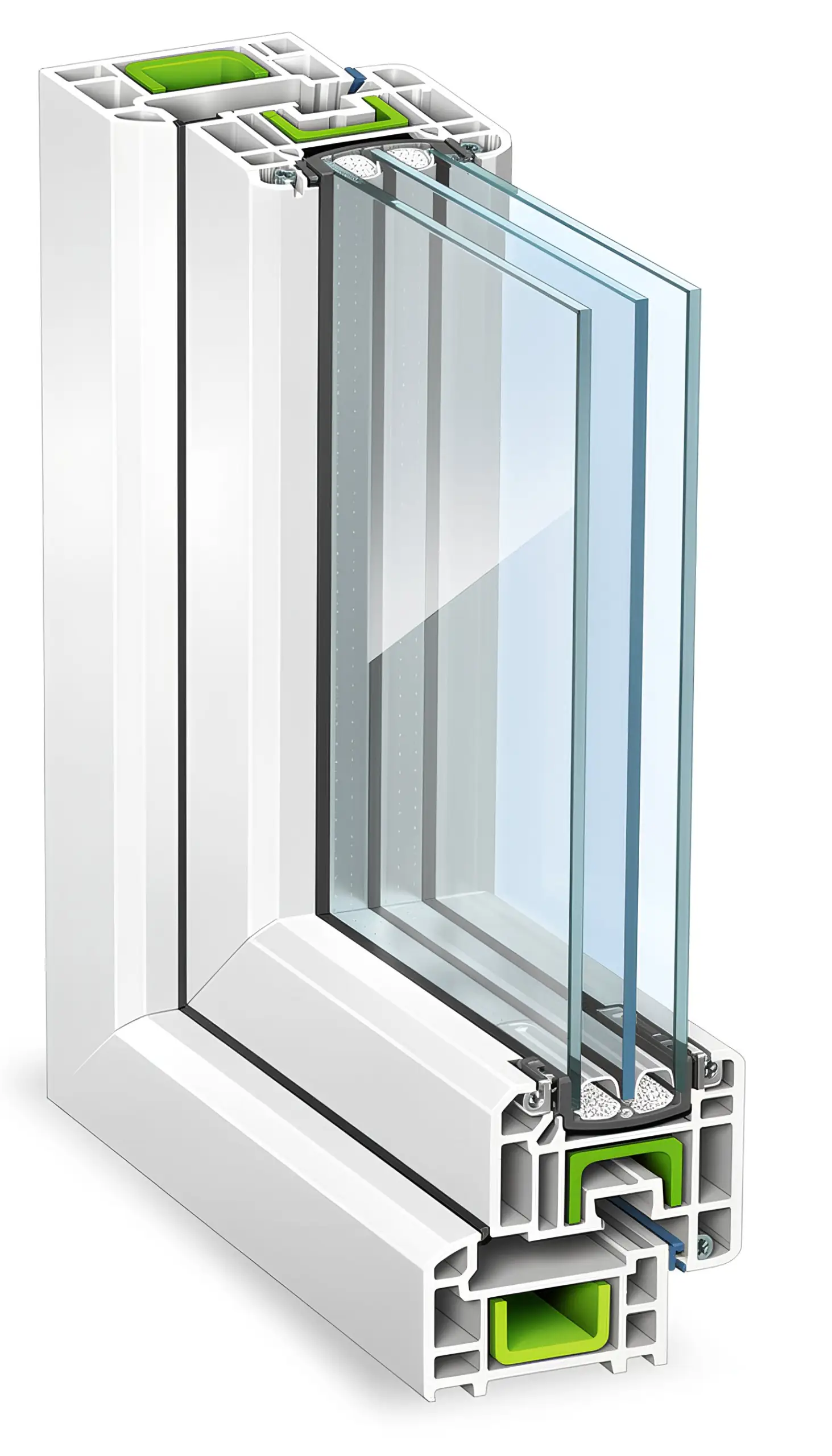


Triple glazed windows sit at the top of the residential window performance ladder. Three panes of glass, two gas-filled cavities, and a wider frame profile to carry the assembly. Triple glazing achieves the lowest Uw values available in residential aluminium systems, typically 1.0 to 1.4 W/m²K, and the acoustic performance is equally strong.
The question for Perth homeowners is not whether triple glazing works. It does. The question is whether the 30 to 50 per cent premium over high-spec double glazing pays back in a cooling-dominant climate where solar heat gain coefficient (SHGC) drives more of the cooling load than U-value.
This guide explains what triple glazing actually costs in Perth in 2026, what drives the premium, and where the spend is justified.
What Triple Glazing Actually Costs in Perth in 2026
Triple glazed windows are typically 30 to 50 per cent more than equivalent double glazed units of the same size and frame spec. The range comes from published Australian glazing supplier pricing positions (2025-2026).
Indicative supply only ranges for triple glazed aluminium windows in Perth, 2026:
| Window size | Standard double glazed | Triple glazed (30-50% premium) |
|---|---|---|
| 1200 x 1200 mm awning | $450 to $700 | $585 to $1,050 |
| 1500 x 1500 mm sliding | $700 to $1,100 | $910 to $1,650 |
| 1800 x 1500 mm fixed | $850 to $1,300 | $1,105 to $1,950 |
| 2400 x 1800 mm large fixed | $1,400 to $2,200 | $1,820 to $3,300 |
Supply and install adds 30 to 55 per cent. Frame finish upgrades, custom sizes, and heavier glass spec sit above these ranges. Premium architectural systems can run higher again.
For a whole-house triple glazed project (15 windows, mixed sizes, supply and install), the budget runs in the order of $50,000 to $85,000 depending on size profile and frame spec (indicative figures derived from published AU glazing supplier pricing positions for 2025-2026). The same project in double glazing runs $35,000 to $60,000. The differential is the cost-benefit decision.
The Penot Double Glazing cost guide for Perth covers what each step up does to the bottom line.
The Three Things That Drive the Triple Glazing Price Premium
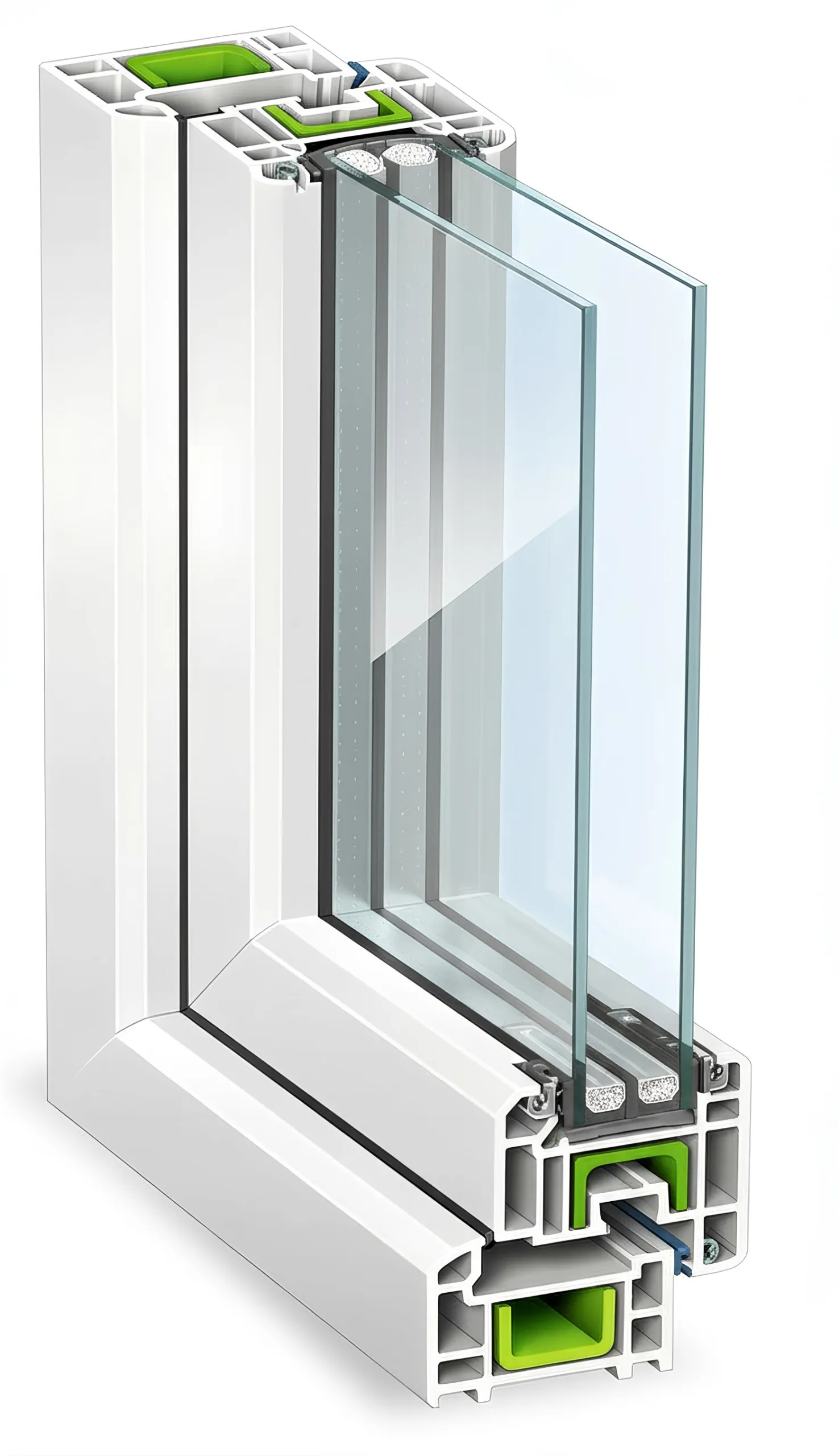
1. The additional glass pane and second gas cavity. A triple glazed IGU has three panes of glass and two argon-filled cavities, where a double has two panes and one cavity. The glass itself, the additional spacer bar, the additional gas fill, and the more complex perimeter seal all add material and process cost.
2. The wider frame profile. A standard double glazed IGU is typically 24 mm thick (4/16/4). A triple glazed unit is typically 36 to 44 mm thick (e.g., 4/14/4/14/4 or 6/12/4/12/6). The aluminium frame must carry the deeper unit, which means either a wider extrusion or a stronger thermal break. Frame retooling and the additional extrusion cost flows through to the price.
3. The heavier hardware. A triple glazed sliding panel can weigh 60 to 100 per cent more than the same size double glazed panel. Hinges, rollers, locks and tracks all step up to handle the load. Premium AU architectural systems handle up to 24 mm glass; triple glazed units push toward the upper limit of even premium architectural systems and may require an upsized hardware specification.
The combined effect is the 30 to 50 per cent premium over double glazing on a like-for-like comparison.
Where Triple Glazing Makes Economic Sense in a Perth Home
The Perth climate matters here. Perth sits in BCA Climate Zone 5 (warm temperate), where the cooling load on the air conditioner dominates the annual energy bill. In a cool-temperate climate like Hobart or Canberra, the heating load dominates and U-value is the higher-impact spec. In Perth, SHGC matters more than U-value for most windows. The Your Home technical manual covers climate zone glazing principles across all Australian zones.
This is why solar-control low-e double glazing in a thermally broken frame is often the highest-value spec in Perth. SHGC drops to 0.20 to 0.40, the radiant solar load on the room drops sharply, and the cost premium over standard double glazing is modest. Our guide to U-values, SHGC and window energy ratings in WA explains the numbers in detail.
Triple glazing is justified in Perth when one or more of the following applies:
- West-facing rooms with no shading. Late afternoon summer sun is the worst load case. Triple glazing with a solar-control coating achieves SHGC of approximately 0.15 to 0.35, lower than solar-control double glazing at 0.20 to 0.40, which reduces the radiant load on the room further.
- Targeting NatHERS performance above 7 stars. NCC 2022 7-star is the legal minimum for new builds in WA from 1 May 2025. Triple glazing is part of the spec that pushes performance to 8-star or 9-star ratings, increasingly relevant for premium new builds. Our double glazing in new home builds Perth guide covers the NCC context.
- Acoustic and thermal priorities combine. Triple glazing with acoustic laminated outer pane reaches Rw 45 or higher, which makes the difference for homes in flight path or freeway corridors. The Penot Double Glazing flight path noise reduction page covers acoustic specifications in detail.
- Very large glass areas. Walls of glass on the alfresco side of contemporary homes can dominate the cooling load. Triple glazing reduces the load per square metre, which translates to a smaller air conditioner and lower running costs.
Where the Premium Is Hard to Justify
For most Perth homes, the triple glazing premium does not recoup through energy savings alone within a reasonable time horizon. Three cases where high-spec double glazing is the better cost-performance choice:
- Standard residential build, mixed orientations, eaves on north and west elevations. A solar-control low-e double glazed unit in a thermally broken frame handles the load. Triple is overspec for the application.
- South-facing or fully-shaded windows. SHGC is not the priority on south windows in Perth. U-value matters more. Double glazing in a thermally broken frame already delivers Uw 1.8 to 2.5, which is in the same ballpark as triple. The additional 30 to 50 per cent for triple buys a marginal U-value improvement.
- Tight budget on whole-house refurbishment. Money is usually better spent on getting double glazing into more rooms than on getting triple glazing into fewer rooms.
The honest framing: triple glazing is a premium product for specific use cases. It is not a default. For most Perth homes, solar-control double glazing in a thermally broken frame is the sweet spot.
Price Comparison Table: Double vs Triple Glazing
| Window size | Standard double glazed | Premium double (TB + solar-control low-e) | Triple glazed (premium) |
|---|---|---|---|
| 1200 x 1200 mm | $450 to $700 | $700 to $1,100 | $1,000 to $1,600 |
| 1500 x 1500 mm | $700 to $1,100 | $1,100 to $1,700 | $1,500 to $2,500 |
| 1800 x 1500 mm | $850 to $1,300 | $1,300 to $1,950 | $1,750 to $2,900 |
| 2400 x 1800 mm | $1,400 to $2,200 | $2,200 to $3,300 | $3,000 to $5,000+ |
Supply only, 2026 indicative. Frame finish upgrades, glass spec upgrades and custom sizes sit above these ranges.
The middle column (premium double) is the spec to compare against, not the standard double on the left. For most Perth homes, the question is whether the step from premium double to triple is worth the further 30 to 50 per cent.
Supply Only vs Supply and Install Pricing
Install premium for triple glazed windows is at the upper end of the standard 30 to 55 per cent range over supply only, for two reasons.
First, the heavier IGU requires more careful handling on site and sometimes two-person lifts where a double glazed unit could be installed by one person. Second, the wider frame profile may require modification of the existing reveal to accept the new frame depth, particularly in window replacement installs.
A supply only quote is the right route for owner-builders or new builds where the installer is part of the construction team. For replacement projects and most homeowner-direct work, supply and install is the lower-risk option because the supplier owns the install certification and the warranty covers the install as well as the product.
How to Get a Meaningful Triple Glazing Quote
Five things to specify in any triple glazing quote conversation:
- IGU configuration. Glass thicknesses, cavity widths, gas fill (argon, krypton, air), low-e coatings (solar-control or hard-coat), and which surfaces the coatings sit on.
- Frame system. Thermally broken aluminium is the standard for triple in the Perth premium market. Confirm the frame Uw value separately from the glass.
- WERS listing. The Window Energy Rating Scheme (WERS) lists certified Australian products with verified Uw and SHGC values. A WERS-listed product has been tested rather than estimated.
- AGWA membership of the supplier. AGWA members commit to AS 2047, AS 1288 compliance and a Code of Conduct. Ask about IGU seal, hardware and installation warranty terms at the quote stage.
- Comparison against premium double. Ask the supplier to quote the same window in premium solar-control double glazing as well. The cost-benefit decision lives in that comparison.
Where Penot Double Glazing Fits
Penot Double Glazing is a full AGWA member based at 92 Beechboro Rd S, Bayswater WA 6053. Triple glazing is part of the standard range, available alongside double glazed units for projects where the extra step is justified. Every quote specifies the IGU configuration, the Uw and SHGC values, the frame system and the AS 2047 water resistance rating.
For homeowners weighing up triple glazing against premium double, a free in-home consultation puts both options on the same quote so the comparison runs against the actual rooms and orientations. Compare options across the wider double glazing Perth range and the windows page, book a free in-home assessment, call 1300 121 603, or visit the Bayswater showroom at 92 Beechboro Rd S.
How Much More Does Triple Glazing Cost than Double Glazing in Perth?
Triple glazing typically costs 30 to 50 per cent more than equivalent double glazing per window in Perth, drawn from published Australian glazing supplier pricing positions (2025-2026). The premium reflects the third pane, the wider frame profile required to carry the heavier IGU, and the heavier hardware. The exact dollar figure scales with window size, frame spec and glass options.
Is Triple Glazing Worth the Extra Cost in Perth?
For most Perth homes, well-specified solar-control double glazing in a thermally broken frame is the sweet spot. Triple glazing makes sense for west-facing rooms with no shading, homes targeting NatHERS performance above 7 stars, projects where acoustic and thermal priorities combine, or homes with very large glass areas where the cooling load is significant. Outside these cases, the 30-50 per cent premium is hard to recoup through energy savings alone in Perth’s cooling-dominant climate.
Does Penot Double Glazing Supply Triple Glazing in Perth?
Yes. Triple glazing is part of the standard double glazed range at Penot Double Glazing, available alongside double glazed units for projects where the extra step is justified. The triple glazed windows page covers the product detail.
What’s the U-value and SHGC of Triple Glazed Windows?
A best-spec triple glazed unit in Australia typically achieves Uw around 1.0 to 1.4 W/m²K, compared to 1.8 to 2.5 for a top-spec double glazed unit. SHGC depends on the coating and tint, but solar-control triple glazing specified for cooling-dominant climates achieves SHGC of approximately 0.15 to 0.35, lower than solar-control double glazing at 0.20 to 0.40. For Perth’s cooling-dominant climate, the SHGC matters more than the U-value, which is why solar-control double glazing is often the better cost-performance choice over triple.