

The southern river suburbs sit in a different glazing context to the
west or the north. The housing stock skews to 1960s and 1970s brick
character with newer infill, the noise corridors run along Kwinana
Freeway and Canning Highway rather than under flight paths, and the
climate sits a couple of degrees warmer than coastal western suburbs on
the worst summer afternoons.
This guide covers the double glazing considerations specific to
Perth’s southern river suburbs: the era of the housing stock, the
freeway and arterial road noise context, the river-orientation question,
and the climate adjustment for homes inland from the Swan. Drawn from
confirmed Main Roads WA noise criteria, City of Melville and City of
South Perth planning data, and Bureau of Meteorology
Perth climate observations.
The Housing
Stock of Perth’s Southern River Suburbs
Southern suburbs cluster into two clear development eras with
substantial recent infill.
1950s to 1970s brick character. Applecross and Mount
Pleasant developed primarily in the 1950s to 1970s. Booragoon developed
from the 1960s with significant growth in the 1970s and 1980s. The
dominant housing type is single-storey brick or brick veneer with
aluminium-framed or timber sash windows, tile or metal roofs, and modest
eaves.
1990s and 2000s infill. Substantial subdivision
activity through the 1990s and 2000s replaced original homes with larger
contemporary builds. Ardross, parts of Applecross, and the river-facing
streets of Mount Pleasant carry significant proportions of this newer
stock. NCC compliance from build, but pre-2025 builds still typically
have single glazed aluminium.
Post-2020 luxury and architectural new builds.
River-facing streets and corner blocks in Applecross and Mount Pleasant
continue to host high-end teardown-and-rebuild projects. These homes
typically feature large glass areas, contemporary materials and NCC 2022
7-star NatHERS compliance (post-1 May 2025 builds).
For homeowners doing a wider double
glazing in Perth refurbishment, the era of the home guides the spec
choice. The 1960s brick character home has different priorities to the
post-2020 architectural new build.
Glass Spec
for 1960s and 1970s Brick Veneer Homes
The window replacement pattern for the dominant housing era in the
southern suburbs is mechanically simple. Existing aluminium-framed
single glazed windows come out; new aluminium-framed double glazed
windows go in. The frame size and reveal detail are usually compatible
with modern standard aluminium systems.
The spec decision sits in the glass and frame upgrade. For these
properties:
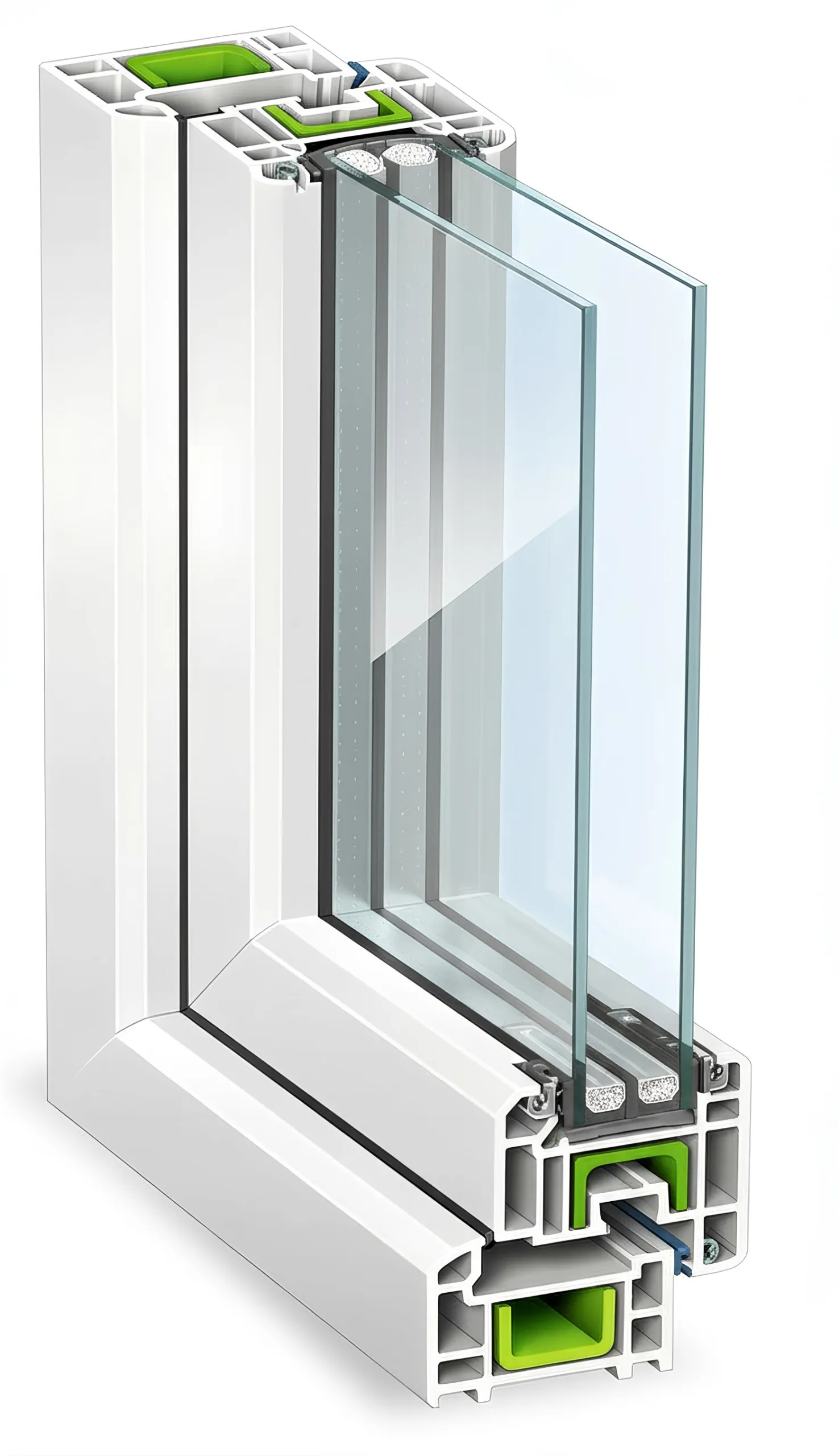
- Thermally broken aluminium frame: drops the frame
U-value from around 6.6 to around 2.2 W/m²K. Worth the cost premium for
any serious thermal upgrade. - Solar-control low-e on west and unshaded north
openings: drops SHGC to 0.20 to 0.40. For Booragoon and inland
Ardross where the afternoon heat lingers, this is the high-value
spec. - Standard double glazed on south and shaded
openings: SHGC matters less; choose for U-value and
clarity. - Acoustic laminated on freeway-facing or busy-road-facing
openings: Rw 37 to 42 acoustic glass for any property within
200 to 300 metres of Kwinana Freeway or backing onto a main road.
Typical project size for a 1970s southern suburbs brick veneer: 10 to
14 windows plus 1 to 2 doors, running $22,000 to $42,000 supply and
install for thermally broken aluminium with mixed glass spec.
Newer
Builds in Ardross and Mount Pleasant: Where Performance Glass Pays
Back
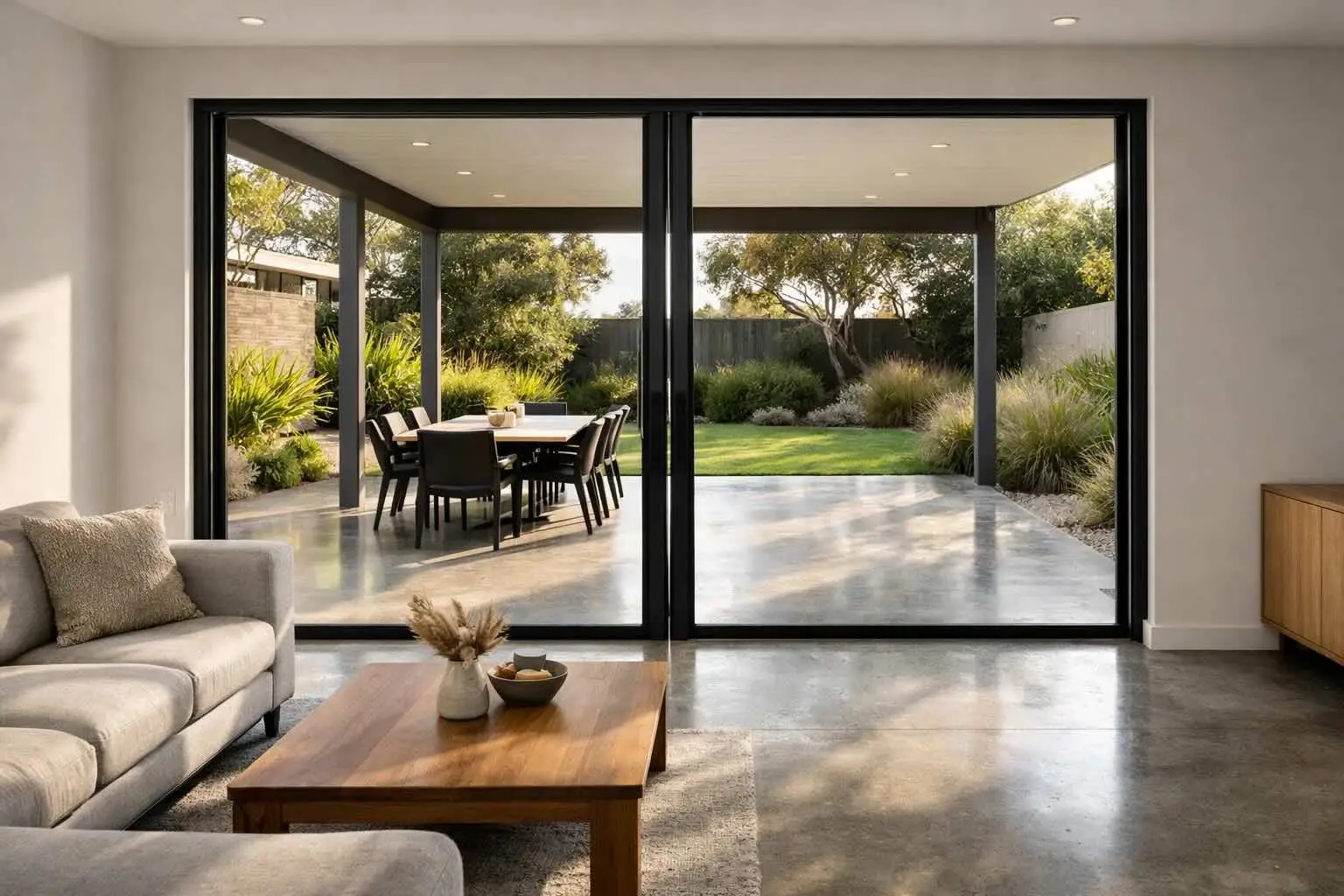
Contemporary builds on river-facing or corner blocks in Ardross and
Mount Pleasant frequently feature large glass areas: full-height glass
walls on alfresco connections, picture windows on river views, glazed
entries with sidelights both sides. For these homes, the cooling load
through the glass dominates the cooling load on the air conditioner.
For these properties, the spec conversation looks different to the
1970s window replacement:
- Solar-control low-e double glazing as the baseline, not an
upgrade - Triple glazing on west-facing rooms and very large openings
- Thermally broken aluminium frames
- Acoustic laminated outer panes for road-facing elevations
- WERS-certified
products with verified Uw and SHGC values
Our large glass
openings Perth guide covers the thermal physics behind specifying
for big openings, and the triple glazed windows Perth
cost guide covers when the triple premium pays back.
Noise
Considerations for Homes Near Kwinana Freeway and Canning Highway
Main Roads WA confirmed a 60 dB(A) noise criterion in the Tonkin Gap
Project noise wall FAQ, which is the design target for new freeway works
at the property facade. Perth’s climate context, including the delayed
sea breeze arrival and elevated afternoon temperatures in inland
suburbs, is documented in Bureau of Meteorology
Perth records. Existing freeway corridors built before this standard
can have higher residual noise levels at the property line.
Kwinana Freeway corridor. Applecross and Mount
Pleasant have property backing onto the freeway in pockets. Noise walls
exist along several sections, but front-row properties on streets
backing the freeway can still experience 60 to 70 dB(A) exposure
depending on the wall design, the property setback, and the specific
freeway traffic mix. Without acoustic glass, this is what comes through
the bedroom window at night.
Canning Highway. As an arterial road without
continuous freeway-style noise walls, Canning Highway carries 60 to 70
dB(A) noise at front properties along its length. Como and parts of
Applecross have residential streets directly facing the highway.
For affected properties, acoustic laminated double glazed units
delivering Rw 37 to 42 reduce interior noise by 15 to 25 dB depending on
configuration. The human ear perceives a 10 dB reduction as
approximately halving the perceived loudness. Going from a 65 dB
exterior to a 40 dB interior is a transformative difference for sleep
quality.
The Penot Double Glazing flight
path noise reduction page covers the acoustic specifications in
detail. Our double glazing
near Perth Airport and busy roads guide walks through the full
acoustic case.
Why
Southern Suburbs Summer Heat Is Slightly Worse than Coastal
Two factors push inland southern suburbs 1 to 3 degrees warmer than
coastal western suburbs on extreme heat days.
The Fremantle Doctor arrives later and weaker. The
mid-afternoon sea breeze that brings relief to coastal suburbs takes
longer to reach inland suburbs and arrives at lower intensity. For homes
more than 5 km from the coast, the Doctor may not arrive until late
afternoon or early evening, by which point the radiant solar load on
west-facing rooms has already cooked the building envelope.
Distance from the river moderating effect.
River-facing streets in Applecross and Mount Pleasant benefit from some
thermal moderation by the Swan, but inland streets a few hundred metres
back lose that benefit quickly.
For inland southern suburbs homes, SHGC matters more than it would
for an equivalent coastal property. Solar-control low-e on west and
unshaded north openings is the high-value spec. Our does double
glazing keep Perth homes cooler in summer guide covers the thermal
physics in detail.
City
of Melville and City of South Perth: Council Context
City of Melville covers Applecross, Ardross, Mount
Pleasant, Booragoon, Bicton and Attadale. Most residential window
replacement does not require council approval, with the exception of
properties on the council’s Heritage List (locally listed) or in
heritage areas defined under the Local Planning Scheme. The council
maintains a Local Heritage Survey and a Heritage List per the Heritage
Act 2018 WA.
City of South Perth covers Como and South Perth. The
council maintains its own heritage register and Local Planning Scheme.
Heritage-listed properties require a development application for
external changes including window replacement.
For most southern suburbs properties, window replacement is a
straightforward project not requiring council development application.
For listed properties, the application process is part of the project
from the start, covered in our heritage
homes double glazing Perth guide.
What
a Penot Double Glazing Consultation Looks Like for a Southern Suburbs
Property
The standard process:
- Phone or online booking of a free in-home
assessment. The assessor visits the home, typically within a week of the
request. - On-site measure and consultation. 60 to 90 minutes.
The assessor measures every opening, looks at orientation and
surrounding finishes, and discusses glass and frame spec by room. - Quote within a few days to a week. Detailed spec
per opening, AS 2047 ratings, WERS-listed Uw and SHGC values, warranty
terms, total price including install. - Order confirmation and finance discussion if
relevant. humm90 is the current finance partner at Penot Double Glazing,
offering 12 months interest-free with no deposit required. Personal loan
and home equity options for larger projects. - Manufacture lead time confirmed at quote
stage. - Site install scheduled by the supplier; duration
depends on project size. - Handover with documentation and warranty.
From most southern river suburbs, the Penot Double Glazing Bayswater
showroom is approximately 20 to 30 minutes by car depending on traffic
and exact origin. All consultations happen at the home rather than at
the showroom.
Where Penot Double Glazing
Fits
Penot Double Glazing is a full AGWA member based at 92 Beechboro Rd
S, Bayswater WA 6053, supplying double glazing across Perth metropolitan
including all southern river suburbs. The windows and doors range covers standard
aluminium thermally broken systems for typical 1960s-1970s window
replacements, premium architectural systems for contemporary builds with
large glass areas, and full triple glazing where the cooling load
demands it.
For a quote on a southern suburbs property, book a free in-home
assessment. Compare projects across the wider Penot Double Glazing
project gallery, call 1300 121 603, or visit the Bayswater showroom.
Western suburbs property owners can also check our Perth western suburbs
guide.
Do
Perth’s Southern Suburbs Need Special Double Glazing for Freeway
Noise?
Yes for properties within 200 to 300 metres of Kwinana Freeway or
backing onto Canning Highway. Main Roads WA targets 60 dB(A) at the
property facade for new freeway works, but existing freeway corridor
noise levels can reach 65 to 70 dB(A) at the property line. Acoustic
laminated double glazed units with Rw 37 or higher are the standard
answer for affected properties.
Which
Council Covers Applecross, Ardross and Mount Pleasant?
City of Melville covers Applecross, Ardross, Mount Pleasant,
Booragoon, Bicton and Attadale. City of South Perth covers Como and
South Perth. Each council has its own planning provisions and any
heritage considerations are listed in the respective Local Planning
Scheme.
Are
Southern Suburbs Perth Homes Hotter than Coastal Western Suburbs?
Inland southern suburbs further from the river typically run 1 to 3
degrees warmer than coastal western suburbs on extreme heat days. The
Fremantle Doctor sea breeze arrives later and weaker as you move inland.
For homes in Booragoon and inland Ardross, this raises the priority on
SHGC (solar heat gain coefficient) for west and unshaded north
windows.
What’s
the Right Glass Spec for a River-Facing Home in Applecross or Mount
Pleasant?
Large river-facing glass openings typically face north and
north-west, which means significant summer solar load. Solar-control
low-e double glazing with SHGC of 0.20 to 0.40 handles the radiant heat.
For homes with floor-to-ceiling glass on the river side, triple glazing
or external shading is often part of the answer alongside the glass
spec.