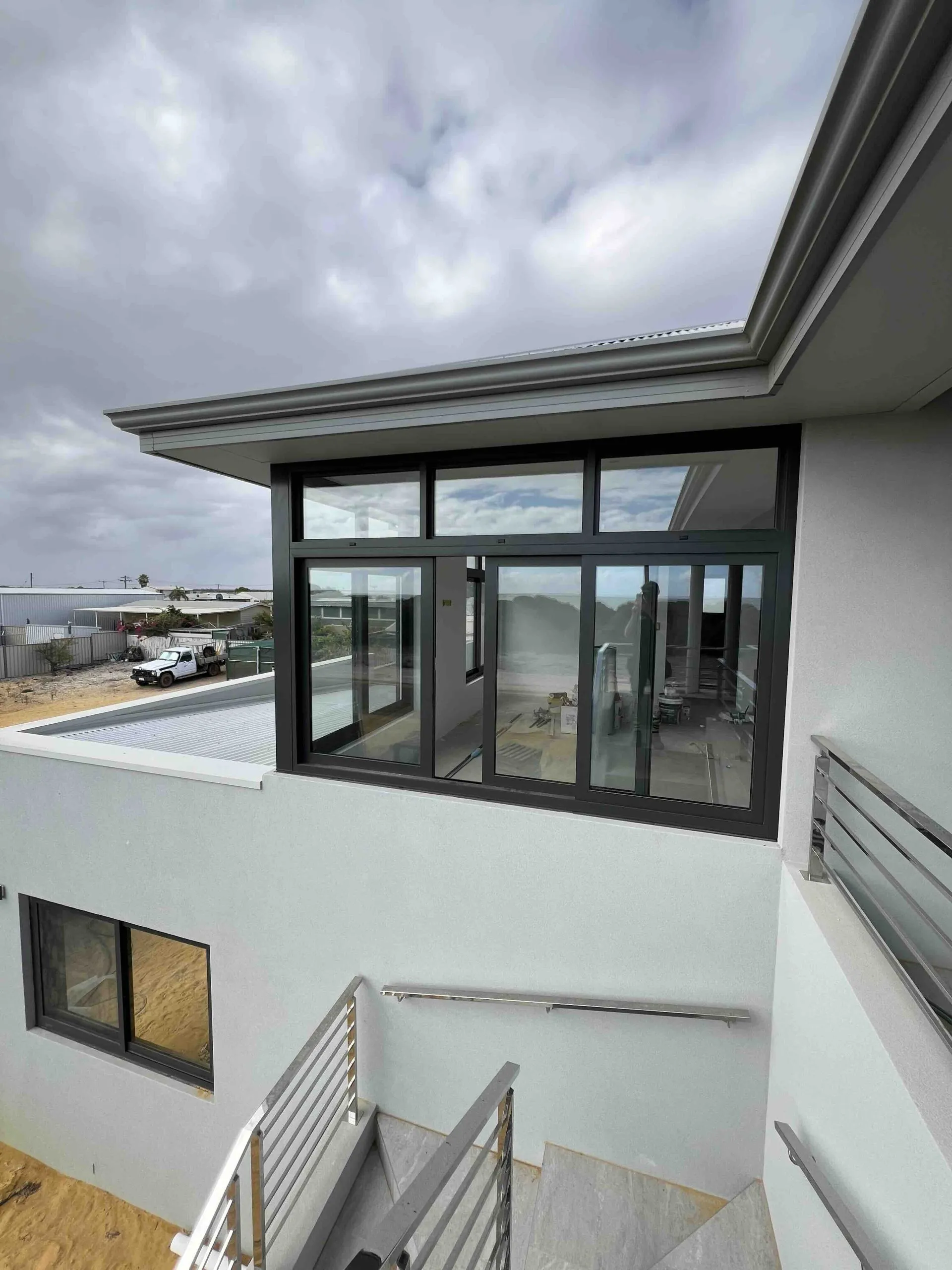
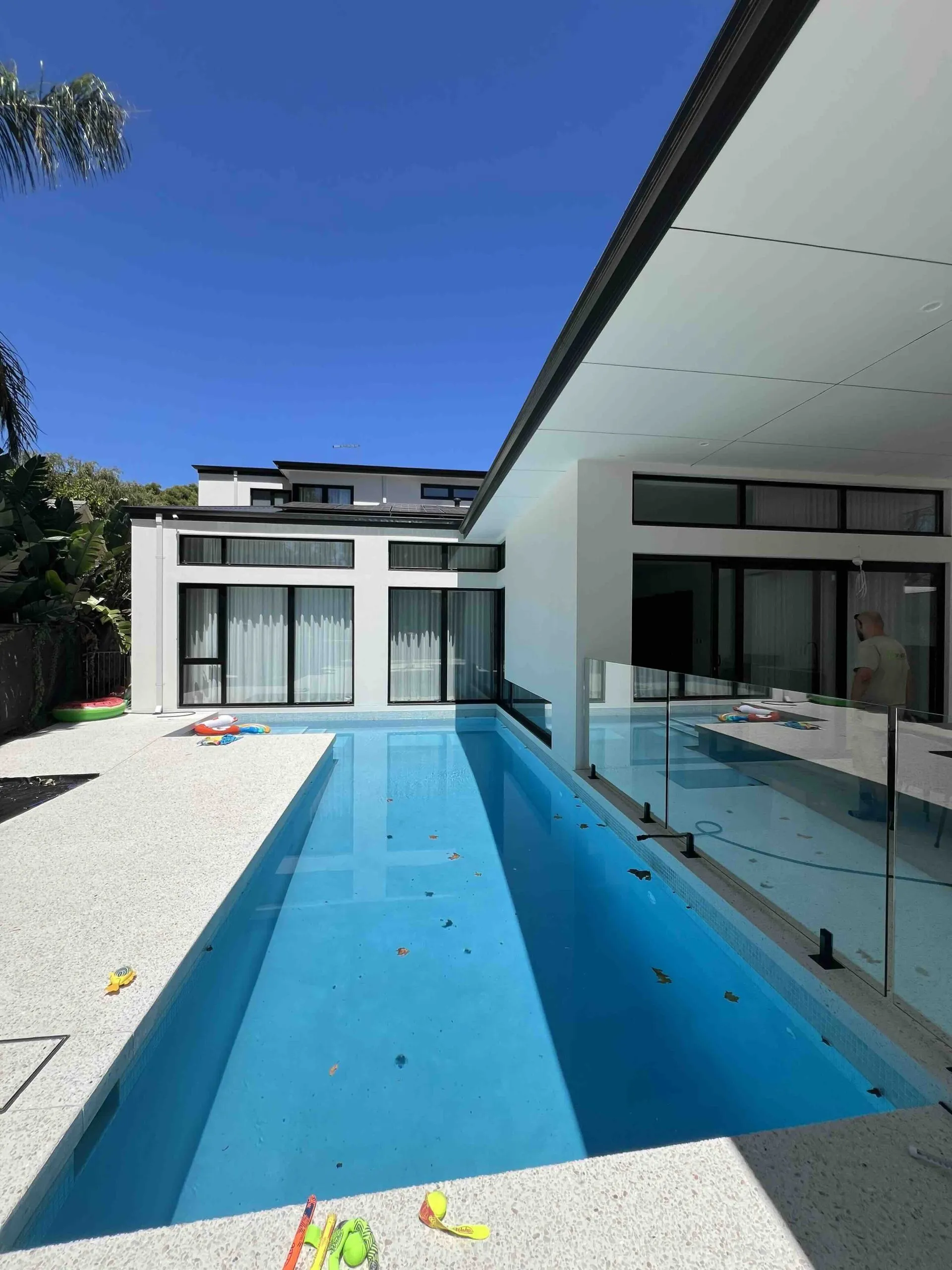


A double glazed sliding door is the single biggest visual element on the back of most Perth homes. It is also the part of the quote where prices vary the most and where homeowners get most confused comparing supplier proposals. Two quotes can be 30 to 60 per cent apart and both look correct on paper because they are specifying different products under the same name.
This guide explains what drives the cost of double glazed sliding doors in Perth, what changes the price, and how to compare quotes so the cheapest one is not the cheapest by accident. All figures are 2026 indicative AU/Perth market ranges, cross-referenced against AU industry pricing data and published technical specifications.
What Affects the Cost of Sliding Doors More Than Anything Else
In order of impact on the final number:
1. Door size. A 4.8 metre 3-panel door is roughly double the cost of a 2.4 metre 2-panel door of the same spec. Size drives the frame extrusion length, the glass area, the hardware load, and the install complexity.
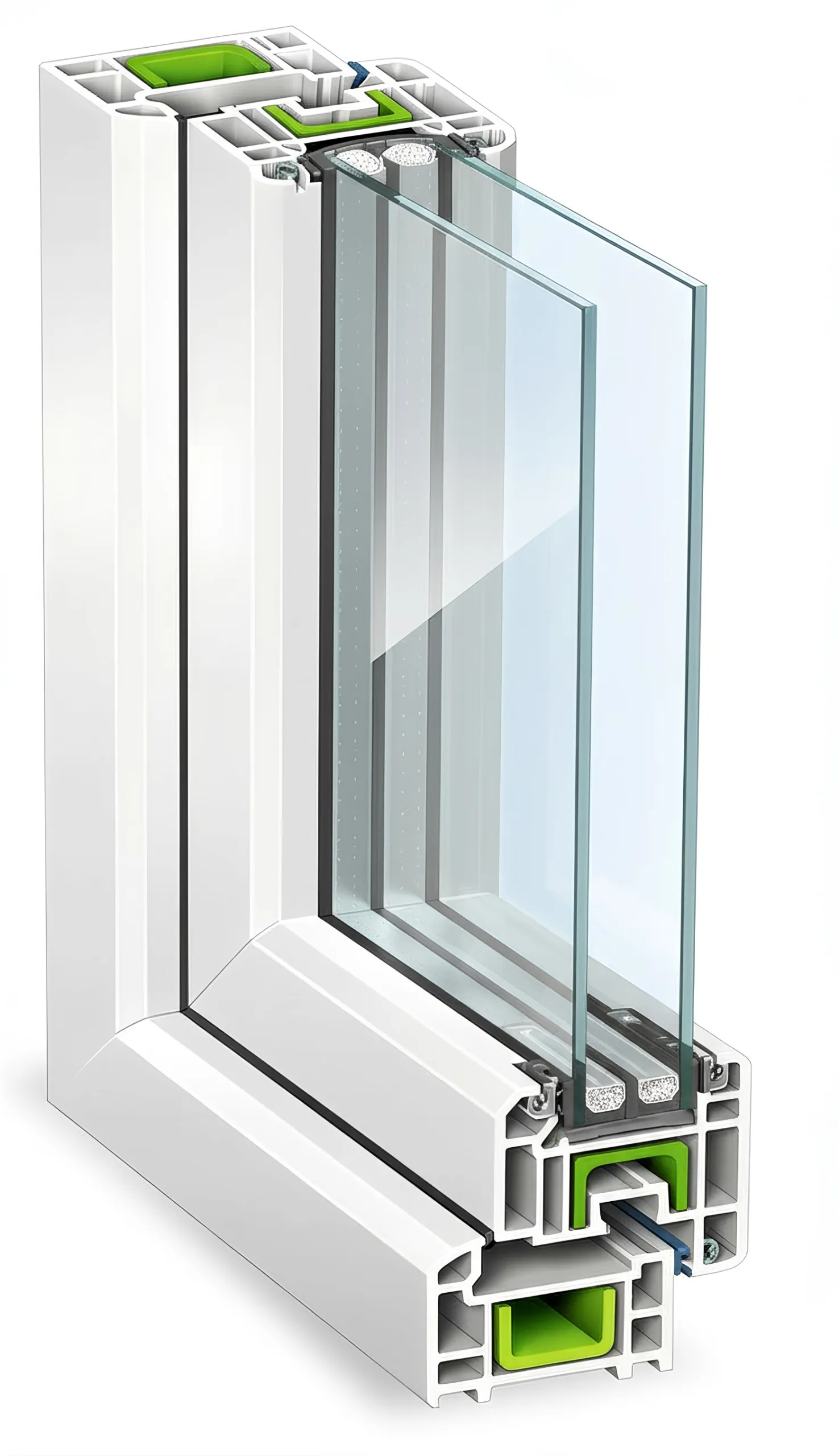
2. Glass spec. Standard clear double glazed (5.5 to 6.6 W/m²K Uw, 0.70 SHGC) is the entry point. Low-e double glazed cuts Uw to around 2.7 and SHGC to 0.45 to 0.60, adding $200 to $500 per door. Solar-control low-e drops SHGC further to 0.20 to 0.40, particularly important for west-facing Perth installs. Acoustic laminated adds $300 to $800 per door.
3. Frame spec. Standard aluminium frames have a U-value around 6.6 W/m²K. Thermally broken aluminium drops this to around 2.2 W/m²K. The thermal break also reduces winter condensation on the internal frame face. For Perth, thermally broken is the right answer when the project is a serious thermal upgrade, particularly for west and unshaded north openings.
4. Hardware. Standard locks and rollers are baseline. Soft-close systems, premium multi-point locks, and architectural pulls all add cost.
5. Finish. Standard powder-coat colours (Dulux range) are baseline. Custom colours add $200 to $500 per door. Woodgrain foil finishes also carry a premium.
A homeowner who skips the spec discussion and asks only for the cheapest 3.6 metre sliding door is buying a different product than the homeowner who specifies thermally broken aluminium, solar-control low-e, soft-close, and a custom finish. The price reflects the spec, not the supplier markup.
How Door Width and Panel Count Change the Price
| Size | Configuration | Standard double glazed (supply only) | Thermally broken + low-e (supply only) |
|---|---|---|---|
| 2.4 m | 2-panel | $800 to $1,400 | $1,500 to $2,500 |
| 3.6 m | 2-panel | $1,200 to $2,000 | $2,000 to $3,500 |
| 3.6 m | 3-panel | $1,500 to $2,800 | $2,500 to $4,500 |
| 4.8 m | 3-panel | $1,800 to $3,200 | $3,000 to $5,500 |
| 4.8 m | 4-panel | $2,000 to $4,000 | $3,500 to $6,500 |
Sources: AU industry pricing data (2026), published AU glazing supplier pricing positions. Premium architectural systems can sit above these ranges, particularly for engineered systems with extra-tall (over 2700 mm) panels.
Adding panels usually adds less than adding width, because the frame perimeter grows but the glass area scales sub-linearly. A 3-panel 3.6 metre door has three smaller panes; a 2-panel 3.6 metre door has two larger panes, each requiring heavier glass and hardware.
Frame Finish Options and Cost Impact
Standard powder-coat colours. The Dulux powder-coat range is the AU industry standard. Common choices: black, charcoal, white, natural anodised, off-white. These are baseline cost.
Custom powder-coat colours. Specifying a colour outside the standard range typically adds $200 to $500 per door. Lead time also extends.
Woodgrain foil finishes. Aluminium frames with a heat-applied woodgrain foil look like timber while keeping the maintenance and durability of aluminium. Common patterns: Western Red Cedar, Spotted Gum, Blackbutt. Adds $200 to $500 per door and typically extends lead time.
Dual colour (internal and external). Black outside, white inside is a common contemporary specification. Adds approximately $200 to $400 per door depending on the system.
For homeowners doing a wider double glazing Perth refurbishment, frame finish consistency across doors and windows is worth the cost premium if the project is visible to the street. The Penot Double Glazing doors range covers all finish options.
Glass Type Upgrades: Standard, Low-E, Acoustic, Laminated
| Glass type | Uw impact | SHGC impact | Cost addition per door |
|---|---|---|---|
| Standard clear double glazed (4/16/4) | Baseline (~3.5-4.5 Uw) | ~0.70 | $0 (baseline) |
| Low-e hard-coat double glazed | -0.5 to -1.0 Uw | -0.10 to -0.20 | $200 to $400 |
| Solar-control low-e (soft-coat) | -1.5 Uw | -0.30 to -0.50 | $300 to $500 |
| Tinted (toned) glass | minimal Uw impact | -0.10 to -0.30 | $150 to $300 |
| Acoustic laminated outer pane | minimal Uw impact | minimal SHGC impact | $300 to $800 |
| Tempered/toughened safety glass | included (required by AS 1288) | n/a | $0 (baseline minimum) |
For Perth’s cooling-dominant climate, the single highest-value glass upgrade is solar-control low-e on west and unshaded north-facing doors. Our guide to U-values, SHGC and window energy ratings in WA explains what the numbers mean in practice.
Soft-Close Systems: What They Cost and Are They Worth It
A soft-close system uses a hydraulic or magnetic damper to slow the door panel as it approaches the closed position, preventing slamming and reducing wear on the seal. The damper engages over the last 50 to 100 mm of travel and decelerates the panel smoothly.
In the AU market, soft-close is available on premium sliding door systems and most lift and slide systems by default. The cost premium varies by supplier and system, typically several hundred dollars per panel.
Worth the cost when:
- Children open and close the door regularly
- The panel is heavy (large size, double glazed, thermally broken frame)
- The door is in frequent daily use (alfresco connection used multiple times per day)
- Long-term thinking on seal life
Less essential when:
- The door is rarely opened (formal alfresco used a few times a year)
- The panels are light (small standard double glazed unit)
- The budget is tight and the spec money is better spent on glass upgrades
Supply-Only vs Supply-and-Install Pricing
Supply only means the door arrives at your address as a packaged unit, ready to install. Supply and install means the supplier handles the removal of the existing door, the preparation of the opening, the installation, the flashings, the trims and the certification.
The install premium for a standard sliding door is typically 30 to 55 per cent over supply only. Drivers of install cost:
- Door size (a 4.8 metre install takes longer than a 2.4 metre)
- Existing opening condition (replacing a like-for-like door is faster than modifying for a different size)
- Access and site (ground floor with easy parking is faster than upper-floor with stairs)
- Surrounding finishes (matching internal architrave, external cladding adds labour)
- Make-good (patching the existing wall, repainting trims)
Supply only is the right route for owner-builders who have a confirmed competent installer. For most homeowners, supply and install through an AGWA member is the lower-risk option because the supplier takes responsibility for the install certification and the warranty covers both the product and the install.
What a Realistic Sliding Door Project Budget Looks Like
For a typical Perth home replacing one main rear-of-house sliding door (3.6 metre, 3-panel, double glazed thermally broken, solar-control low-e), the realistic 2026 budget:
| Item | Range |
|---|---|
| Door unit supply only | $2,500 to $4,500 |
| Install labour | $1,200 to $2,500 |
| Make-good (trim, paint, cladding patch) | $300 to $800 |
| Disposal of existing door | $150 to $400 |
| Total supply and install | $4,150 to $8,200 |
Glass upgrades, soft-close, custom finish and engineered architectural systems sit above this range. Multiple-door projects sometimes get a discount per door from the supplier.
For ways to spread the cost, see our guide to financing double glazing in Perth covering the humm90 12-month interest-free option and other AU home improvement finance products.
How to Get an Accurate Sliding Door Quote in Perth
Five things to ask any supplier before signing:
- Specify the IGU. “Low-e double glazed” is not a spec. Ask for the configuration (e.g., 4/16/4 with soft-coat low-e on surface 3), the SHGC value, the Uw value, and whether the unit is listed on the Window Energy Rating Scheme (WERS).
- Specify the frame. Standard aluminium or thermally broken aluminium? What’s the frame U-value contribution?
- Specify the hardware. Which lock brand and model? What’s the AS 2047 water and wind rating on the door at this spec?
- Specify the install scope. Does the install include flashings, trims, make-good, paint touch-up, disposal?
- Specify the warranty. Penot Double Glazing offers a 10-year warranty on frames. Ask about IGU seal, hardware and installation warranty terms at the quote stage.
If the quote is missing any of these, ask. A supplier who cannot answer is selling a different product to the one a complete spec describes.
The Penot Double Glazing cost guide for Perth is the public reference for how the spec breaks down across the wider range.
Where Penot Double Glazing Fits
Penot Double Glazing is a full AGWA member based at 92 Beechboro Rd S, Bayswater WA 6053. Sliding doors are supplied as part of the standard double glazed doors range, with options for 2, 3 and 4-panel configurations, as well as stacker-style multi-panel layouts (where multiple panels stack behind a single fixed leaf to create a wider clear opening), thermally broken frames, solar-control low-e and acoustic laminated glass, soft-close systems, and the Dulux powder-coat colour range plus woodgrain finishes.
Every quote specifies the IGU configuration, the SHGC and Uw values, the AS 2047 water resistance rating and the warranty terms. Compare options across the wider double glazing Perth range, book a free in-home assessment, call 1300 121 603, or visit the Bayswater showroom at 92 Beechboro Rd S.
For homeowners deciding between a sliding door and a bifold or lift and slide, our lift and slide vs bifold guide covers the comparison in detail.
How Much Does a Double Glazed Sliding Door Cost in Perth?
A standard 3.6 metre double glazed aluminium sliding door in Perth typically sits in the range of $1,200 to $3,500 supply only for standard spec, or $2,000 to $4,500 for thermally broken frame with low-e glass. Larger 4.8 metre 3 or 4-panel doors run $2,000 to $6,500 supply only depending on spec. Supply and install adds 30 to 55 per cent. 2026 indicative ranges, confirm with quote.
What’s the Biggest Cost Driver for Double Glazed Sliding Doors?
Door size first, then glass spec, then frame spec. A 4.8 metre door is roughly double the cost of a 2.4 metre door of the same spec. Within size, the biggest single upgrade is the move from a clear standard double glazed unit to a solar-control low-e unit, which adds approximately $200 to $500 per door panel. Thermally broken frames add another step up.
Are Soft-Close Sliding Doors Worth the Extra Cost?
For homes with children, frequent use, or where the door is heavy (large panel, double glazed thermally broken frame), yes. Soft-close systems use a damper to slow the panel as it approaches the closed position, preventing slamming. The premium varies by supplier but is typically a few hundred dollars per panel. Worth asking the supplier whether soft-close is available on the system being quoted.
Why Do Double Glazed Sliding Door Quotes Vary So Much in Perth?
Because the spec varies. Two quotes for a 3.6 metre sliding door can be 30 to 60 per cent apart and both can look correct on paper. The differences are in the glass IGU spec (clear vs low-e vs solar-control low-e), the frame system (standard aluminium vs thermally broken aluminium), the soft-close hardware, the warranty terms, and whether the installer is AGWA-certified. Check the five spec items above before comparing.