

The northern suburbs are one of the fastest-growing double glazing
markets in Perth. Three factors combine: the housing stock is now old
enough to need glazing upgrades (1980s and 1990s subdivisions reaching
the 30 to 40 year mark), the climate runs hotter inland from the coast,
and the Mitchell Freeway corridor delivers consistent road noise to
properties across a wide band.
This guide covers the double glazing considerations specific to
Perth’s northern suburbs: the housing stock by era, the Mitchell Freeway
noise corridor, the inland Wanneroo heat profile, and the practical
question of how the Bayswater showroom services northern corridor
properties. Drawn from City of Joondalup and City of Wanneroo data,
confirmed Main Roads WA noise criteria, and Bureau of Meteorology
Perth climate observations.
Why
the Northern Suburbs Are a Growing Double Glazing Market
The northern corridor of Perth saw three major waves of residential
development that now line up for thermal upgrades.
1970s and 1980s wave. Duncraig and Padbury developed
primarily in the 1970s and 1980s. The first wave of subdivision pushed
development out from Greenwood north to Kingsley and Padbury. Brick
veneer construction, aluminium-framed single glazed windows, tile roofs.
These homes are now 35 to 50 years old and the original glazing is at
the end of its expected service life.
1980s to 1990s wave. Hillarys, Sorrento, Mullaloo
and Kingsley followed in the 1980s and 1990s. Same construction pattern,
same single glazed aluminium frames.
1990s to 2000s wave. Currambine, parts of Joondalup
itself and the outer Wanneroo corridor developed from the 1990s into the
2000s. Slightly improved glazing standards but still pre-NCC 2022 7-star
compliance.
For a wider double glazed windows
Perth refurbishment in any of these areas, the spec choice depends
on the era of the home and the orientation profile. Earlier waves
typically have smaller window proportions; later waves have larger glass
areas.
The Bayswater
Showroom and the Northern Suburbs
Penot Double Glazing operates from a single showroom at 92 Beechboro
Rd S, Bayswater WA 6053. From the northern suburbs, the showroom is
accessible via Mitchell Freeway and Tonkin Highway routes:
- From Joondalup: approximately 30 to 40 minutes by car
- From Currambine: approximately 30 to 40 minutes
- From Hillarys and Sorrento: approximately 25 to 35 minutes
- From Duncraig and Greenwood: approximately 20 to 30 minutes
- From Padbury and Kingsley: approximately 25 to 35 minutes
- From inland Wanneroo: approximately 35 to 45 minutes
All consultations happen at the customer’s home rather than the
showroom, so the assessor sees the actual rooms, orientations and
surrounding finishes before quoting. The showroom visit is optional and
useful for homeowners who want to see frame finishes, glass samples and
hardware up close before booking the consultation.
Housing
Stock in the Northern Corridor and Which Products Suit
The dominant housing type across the northern suburbs is brick veneer
with aluminium-framed single glazed windows. The window replacement
pattern for these homes is straightforward:
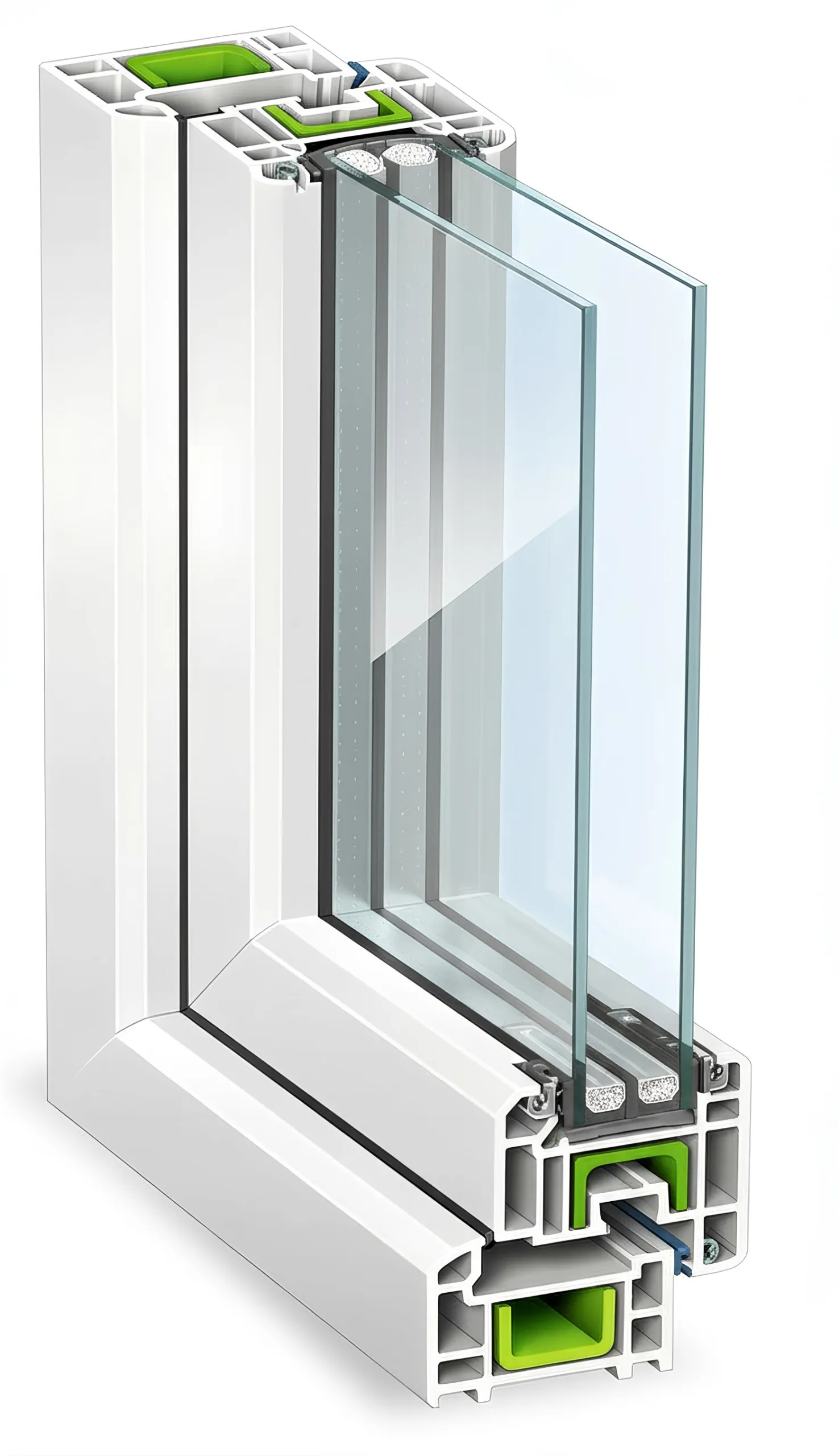
Frame system. Thermally broken aluminium is Penot’s
standard offering for the northern suburbs market. The thermal break
drops the frame U-value from around 6.6 to around 2.2 W/m²K, delivering
meaningful thermal performance from an aluminium system that suits the
area’s predominantly brick veneer housing stock.
Glass spec by orientation. Solar-control low-e on
west and unshaded north openings (SHGC 0.20 to 0.40). Standard double
glazed on south openings (clarity and U-value, less SHGC priority).
Acoustic laminated outer pane on freeway-facing or rail-corridor-facing
openings.
Frame finish. Standard Dulux powder-coat range
covers most home aesthetics. Custom colour and woodgrain foil options
for premium finishes.
Project size for a typical 1980s northern corridor brick veneer: 12
to 16 windows plus 1 to 2 doors, running $26,000 to $48,000 supply and
install for a quality thermally broken specification. Our hidden cost of single
glazed windows guide covers the cost-of-inaction analysis behind the
upgrade decision.
Mitchell
Freeway Noise: Which Suburbs and How Much
The Mitchell Freeway runs from the CBD north through Joondalup, with
the freeway corridor affecting properties within 200 to 300 metres of
the road in varying degrees depending on noise wall coverage and
property setback.
Main Roads WA confirmed a 60 dB(A) noise criterion in the Tonkin Gap
Project FAQ, which is the design target at the property facade for new
freeway works. Existing freeway corridor noise levels on Mitchell can
reach 65 to 70 dB(A) at the property line in pockets without effective
noise walls.
Most exposed northern suburbs:
- Eastern Duncraig (streets backing the freeway corridor)
- Parts of Greenwood and Warwick
- Eastern Padbury (close to the freeway)
- Eastern Kingsley
For affected properties, acoustic laminated double glazed units
delivering Rw 37 to 42 reduce interior noise by 15 to 25 dB depending on
configuration. The Penot Double Glazing flight
path noise reduction page covers the acoustic specifications in
detail. Our double glazing
near Perth Airport and busy roads guide walks through the full
acoustic case for road-noise-affected homes. Homeowners can check the Airservices
Australia aircraft noise monitor to confirm their property’s
exposure to flight paths.
Joondalup Railway Line Noise
The Mandurah / Joondalup railway line runs parallel to Mitchell
Freeway for much of its length, with stations at Stirling, Glendalough,
Leederville, Joondalup and Currambine among others. Train pass-by noise
from electric rail at 100 metres setback typically sits in the 55 to 65
dB(A) range, lower than freeway road noise but still significant for
sleep-quality of front-row properties.
Acoustic glazing on rail-corridor-facing windows is worth the cost
premium for properties within 200 metres of the corridor.
Wanneroo
Heat Profile: Why Inland Northern Suburbs Run Hotter
Inland Wanneroo (north of Joondalup, east of Mitchell Freeway) sits
15 to 20 km from the coast at its eastern edge. This distance matters
because Perth’s Fremantle Doctor sea breeze, which provides afternoon
cooling for coastal suburbs, takes longer to reach inland Wanneroo and
arrives at lower intensity.
The practical effect: on extreme heat days (40-degree days, of which
Perth Metro averages 5 per year per Bureau of
Meteorology), inland Wanneroo can run 2 to 5 degrees warmer than
Hillarys or Sorrento. The Fremantle Doctor arrives 1 to 3 hours later
inland. By the time the breeze reaches eastern Wanneroo in late
afternoon, the radiant solar load on west-facing rooms has already
cooked the building envelope.
For inland Wanneroo properties, SHGC matters more than U-value for
west and unshaded north windows. Solar-control low-e double glazing is
the high-value spec. For very large glass areas on west-facing alfresco
connections, triple glazing or external shading is part of the answer
alongside the glass spec. Our does double
glazing keep Perth homes cooler in summer guide covers the thermal
physics behind the SHGC priority.
What
the Consultation Process Looks Like for a Northern Suburbs Property
The standard flow:
- Phone or online booking. Free in-home assessment
booked via penot.com.au/free-quote or by phone on 1300 121 603.
Typically scheduled within a week. - On-site consultation. 60 to 90 minutes at the home.
The assessor measures every opening, looks at orientation, surrounding
finishes, and existing window condition. The conversation covers spec
choices, glass options by orientation, and rough budget. - Detailed quote within a few days to a week. Spec
per opening, AS 2047 ratings, WERS-listed Uw and SHGC values, AS 1288
glass compliance, warranty terms, total price including install. - Order confirmation and finance discussion if
relevant. humm90 is the current finance partner at Penot Double Glazing,
offering 12 months interest-free with no deposit required (credit limits
up to $50,000, subject to assessment). Personal loan and home equity
options for larger projects. - Manufacture lead time confirmed at quote
stage. - Site install scheduled by the supplier; duration
depends on project size. - Handover with warranty documentation.
For a step-by-step view of the full install process, see our window replacement Perth
process guide.
Where Penot Double Glazing
Fits
Penot Double Glazing is a full AGWA member based at 92 Beechboro Rd
S, Bayswater WA 6053, supplying double glazing across Perth metropolitan
including all northern corridor suburbs. The windows and doors range covers standard
aluminium thermally broken systems for the dominant 1970s-1990s northern
brick veneer housing stock, acoustic laminated configurations for
freeway and rail-corridor-affected properties, and triple glazing for
new builds and high-spec renovations.
For a quote on a northern suburbs property, book a free in-home
assessment or call 1300 121 603. Compare projects across the wider
Penot Double Glazing
project gallery, or visit the Bayswater showroom. Western suburbs
and southern suburbs guides are also available at our Perth western suburbs
guide and Perth
southern suburbs guide.
Where
Is Penot Double Glazing’s Showroom Relative to the Northern
Suburbs?
The Penot Double Glazing showroom is at 92 Beechboro Rd S, Bayswater
WA 6053. From Joondalup it is approximately 30 to 40 minutes by car via
Mitchell Freeway. From inner northern suburbs like Duncraig and Padbury
it is 20 to 30 minutes. All consultations happen at the customer’s home
rather than the showroom, so the assessor sees the actual rooms before
quoting.
Is
the Northern Suburbs Heat in Perth Different to Coastal Suburbs?
Yes, particularly for inland Wanneroo. Northern Wanneroo sits 15 to
20 km from the coast, which delays the Fremantle Doctor sea breeze by 1
to 3 hours and weakens its cooling effect. On extreme heat days, inland
northern suburbs can run 2 to 5 degrees warmer than coastal Hillarys or
Sorrento. SHGC on west and unshaded north windows matters more for
inland properties.
What
About Mitchell Freeway Noise on Northern Suburbs Homes?
Properties within 200 to 300 metres of Mitchell Freeway can
experience 60 to 70 dB(A) noise at the property line, particularly
without noise walls. Eastern Duncraig and parts of Greenwood and Padbury
sit close to the corridor. Acoustic laminated double glazed units with
Rw 37 or higher are the standard answer for affected properties.
Which Councils Cover
the Northern Suburbs?
City of Joondalup covers Duncraig, Hillarys, Sorrento, Currambine,
Kingsley, Mullaloo, Padbury and Joondalup itself (22 suburbs total).
City of Wanneroo covers Wanneroo and 35 other suburbs from Two Rocks to
Koondoola. City of Stirling covers parts of the inner northern
corridor.